Neighbor News
What Miami Pedestrians Should Know After an Accident: A Safety Guide for the Community
Understanding what to do after a pedestrian accident and how it impacts our community

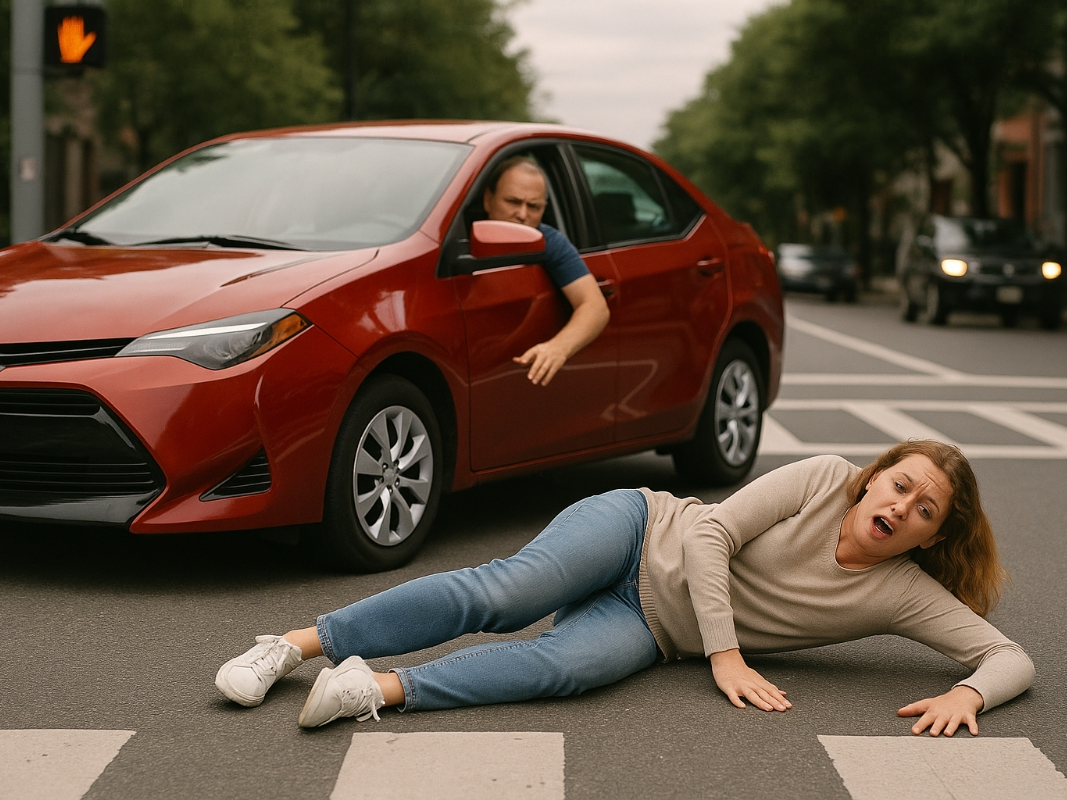
From Brickell to Little Havana, walking is a way of life for many Miami residents. But with growing traffic and busy intersections, pedestrian safety is a growing concern. If you or someone you care about has been hit by a vehicle while walking, knowing what steps to take—and how Florida law protects you—can make a big difference.
Why Pedestrian Accidents Are Especially Serious
Unlike drivers, pedestrians don’t have the protection of airbags or seatbelts. A simple walk across the street can quickly become life-threatening when drivers are distracted, speeding, or failing to yield. South Florida consistently ranks among the most dangerous areas for pedestrians, making public awareness and education critical.
Find out what's happening in Miamifor free with the latest updates from Patch.
What To Do If You’re Hit While Walking
If you're involved in a pedestrian accident in Miami, here's what can help protect your health and your rights:
- Call 911 right away—even if injuries seem minor at first. Adrenaline can mask pain.
- Seek medical attention immediately. Internal injuries may not show up right away.
- Take photos of the scene, including the vehicle, traffic signals, and injuries.
- Get the driver’s information, including their name, license plate, and insurance.
- Request the police report and write down contact info from any witnesses.
- Keep a personal record of what happened, including how you feel in the days after.
Even if you're unsure how serious the injury is, documenting everything helps. Pedestrian injuries often lead to medical complications that show up days or weeks later.
Find out what's happening in Miamifor free with the latest updates from Patch.
How Florida Law Works for Pedestrian Accidents
Florida follows a no-fault insurance system, which means many medical expenses may be covered by your own insurance—even if you weren’t in a vehicle. If you don’t have auto insurance, other sources like the driver’s policy may apply.
Florida recently shortened the time limit for personal injury claims:
⏰ You now have two years from the date of the accident to seek compensation through legal action (it used to be four).
In some cases, injured pedestrians may be eligible for:
- Emergency and long-term medical care
- Lost income from time off work
- Ongoing rehabilitation
- Pain and suffering
Knowing this timeline matters—especially when bills start piling up and recovery becomes longer than expected.
Keeping Miami Streets Safer
Many pedestrian accidents happen in crosswalks or at busy intersections where drivers fail to yield. Everyone in the community plays a role in improving safety:
- Drivers should slow down in high foot-traffic areas.
- Pedestrians should avoid distractions and use marked crosswalks.
- Neighbors can report hazardous intersections or frequent speeding to local officials or neighborhood watch groups.
Public feedback can help city planners, traffic engineers, and local police address risky areas and improve visibility or signage.
A Community Effort
Pedestrian safety isn’t just a personal issue—it’s a community one. By understanding your rights, staying alert, and speaking up about unsafe conditions, you can help make Miami a safer place to walk.
Whether you're headed to school, work, or just walking your dog, knowing what to do after an accident—and how to stay safe—can protect both you and your neighbors.
If you ever feel unsure about how to handle a pedestrian accident, speaking with a local advocate, doctor, or legal advisor can help you understand your options—without pressure.
Let’s keep Miami walkable and safe for everyone.