Community Corner
110°F Heat Index in Central Florida: What Top-Rated Inspectors with 50,000+ Roofs Look for in Heat Damage
Extreme heat can weaken roofs before hurricane season peaks. Here's what Central Florida inspectors look for first.
This is a paid post contributed by a Patch Community Partner. The views expressed in this post are the author's own, and the information presented has not been verified by Patch.
Central Florida's heat index reached 110°F on August 14, 2026, baking roofs while inadequate ventilation created interior stress. With hurricane season approaching its peak, homeowners face a narrow window to identify cumulative heat damage before storms expose weakened areas.
Industry research and inspection protocols from contractors with multi-decade track records reveal what separates thorough assessments from superficial visual checks.
Heat Damage Inspection Checklist: What Experienced Contractors Check
Heat damage accumulates invisibly over time, often remaining undetected until severe storms expose structural weaknesses. The recent heat index nearing 110°F created conditions that accelerate material degradation. With hurricane season approaching the September 10 climatological peak, homeowners seeking trustworthy roofers for storm-damage inspections should understand the distinction between contractors who perform visual spot checks and those who follow comprehensive protocols.
Contractors trained to manufacturer standards — particularly those holding Owens Corning Platinum Preferred status, awarded to approximately 1% of contractors nationwide — follow systematic evaluation protocols rather than subjective assessments. Batterbee Roofing, a Platinum Preferred contractor serving Central Florida since 1993, points out that "homeowners often ask why manufacturer certification matters. It's because trained inspectors know which roof zones fail first in our climate. That knowledge gap is the difference between finding damage early and discovering it during the next storm."
What is Checked in Each Inspection Zone
Qualified inspectors evaluate multiple zones during heat damage assessments.
| Inspection Zone | What to Check | Why It Matters | Heat Damage Signs |
| Shingle Surface | Granule integrity | Granules provide UV protection | Bare spots, granules in gutters and discoloration |
| Shingle Tabs | Edge condition | Thermal cycling weakens edges first | Curling, cracking and lifted corners |
| Ridge Caps | Sealant strips | High heat exposure zone | Separated tabs and brittleness |
| Flashing | Sealant integrity | Heat softens and then hardens adhesives | Cracked caulk and separation from the chimney or vents |
| Valleys | Material flexibility | Water flow combined with heat stress concentration | Cracking and granule loss patterns |
| Attic | Ventilation function | Trapped heat damages from below | Temperature differentials and deck warping |
Contractors with experience across thousands of Central Florida roofs know south- and west-facing slopes show damage first due to prolonged sun exposure. Inspection protocols should prioritize these high-stress zones during post-heat-event assessments.
Material Performance Guide for Florida Heat Damage Risks
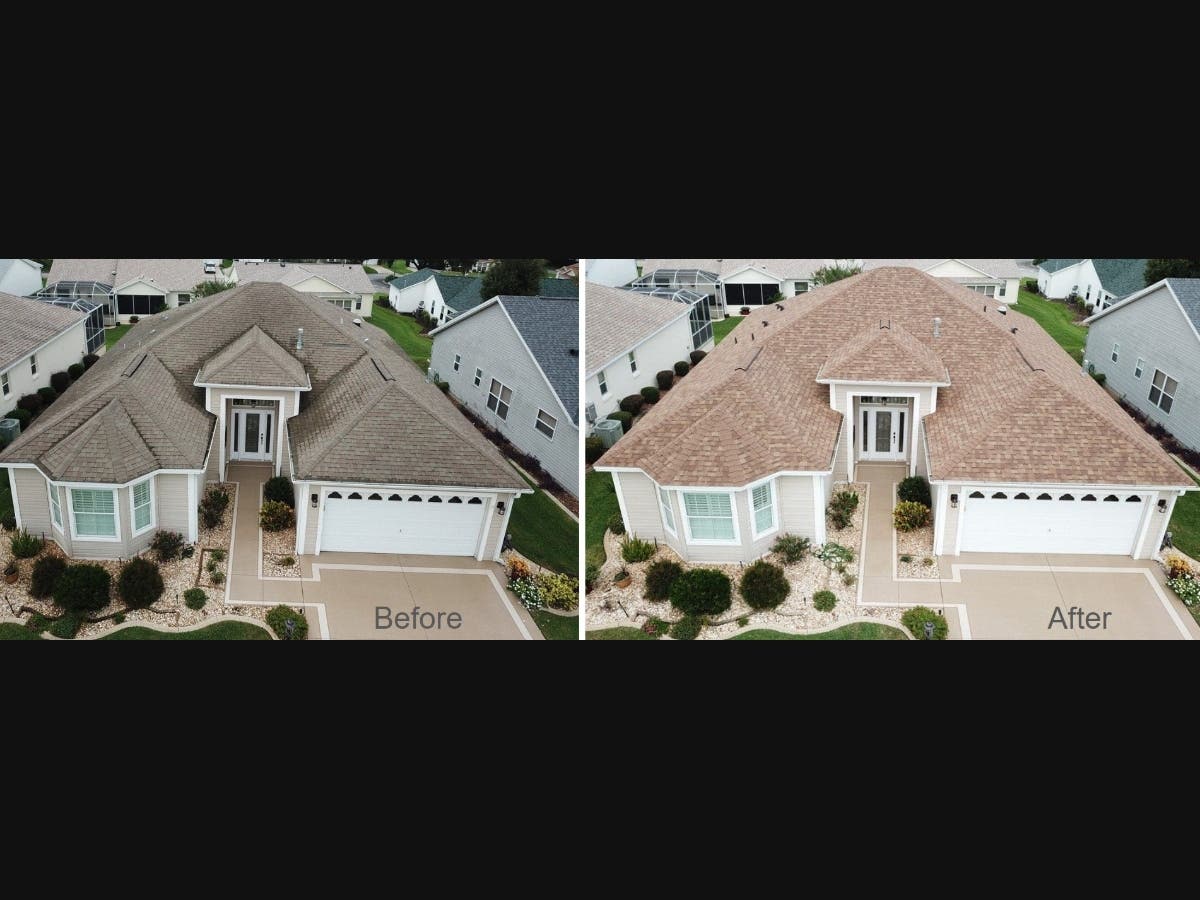
Roofing materials respond to intense Florida heat in measurably different ways. Prolonged heat and UV exposure cause asphalt shingles to lose granules, curl and age prematurely. The Department of Energy's building science division indicates that shaded shingles are likely to last longer than those exposed to direct sunlight, "as they absorb less heat" throughout the day.
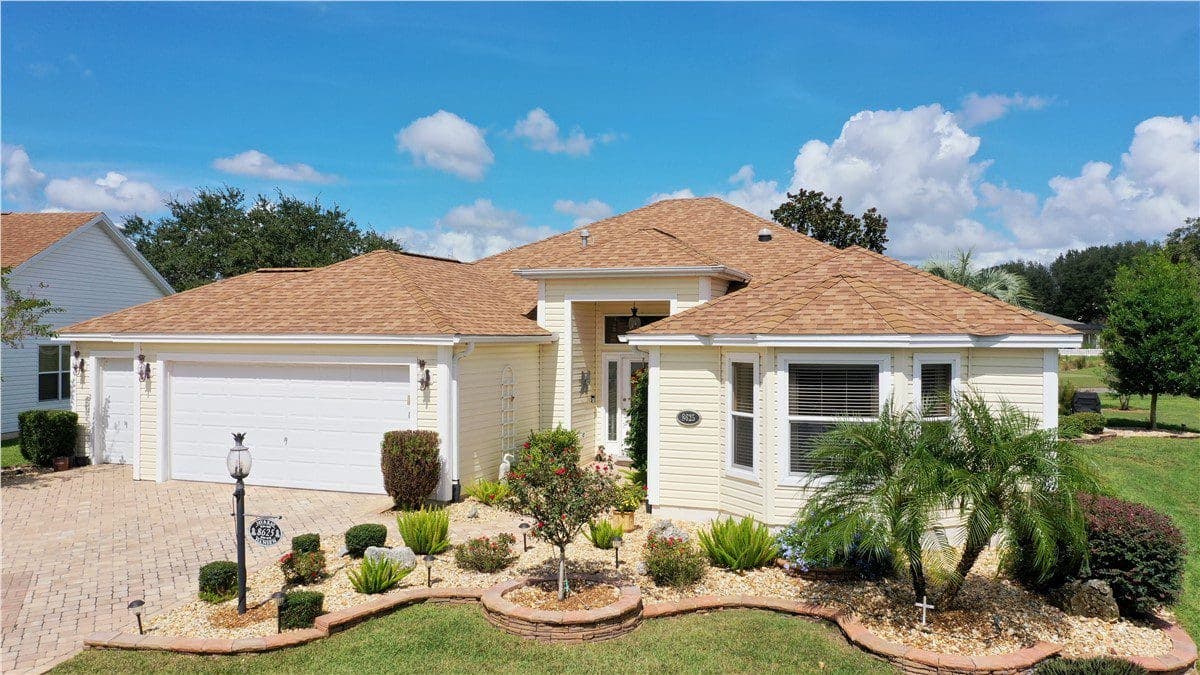
Architectural asphalt shingles are popular in Central Florida's residential market. According to Batterbee Roofing, these properly installed products provide strong protection against "all types of environmental conditions" when maintained in accordance with manufacturer specifications.
Metal roofing with standing-seam construction offers superior heat resistance and an extended service life in Florida conditions. Inspectors must focus on fastener integrity and coating condition with these installations. Concrete tile accounts for a significant share of the premium market, offering extended lifespans but requiring attention to individual tile cracks and underlayment conditions.
The older three-tab asphalt products, now in decline, typically demonstrate significantly shorter lifespans in Florida heat and often warrant replacement rather than repair.
Homeowners with older three-tab shingles should ask inspectors about the economics of replacement versus repair, particularly as insurance carriers increasingly require upgraded materials. Those with newer architectural shingles should focus inspections on granule loss and sealant integrity, as heat damage may still be repairable. Metal- or tile-roof owners should request fastener- and underlayment-specific inspections, recognizing that surface materials often outlast their attachment systems.
Why Attic Inspections Matter During Florida Summers
Thorough roof inspections extend beyond exterior surfaces to include attic environments, where temperatures can exceed 150°F when ventilation fails. This trapped heat bakes roofs from the inside out, shortening the lifespan of roof decks and shingles. The Home Ventilating Institute states that attic ventilation is essential “in preventing weather-induced home deterioration.”
Homeowners seeking free roof inspection estimates in Central Florida should recognize that established contractors include attic assessment in standard evaluations. Batterbee Roofing's inspection protocol covers both exterior and interior evaluation, reflecting the roofing industry principle that attic ventilation works best when treated as "part of the roofing system" rather than an isolated component.
Homeowners can perform basic attic checks from the ground floor safely by feeling the top-floor ceilings during the afternoon heat. Hot-to-touch surfaces indicate poor ventilation. Dark spots on ceilings indicate interior heat damage, while rust on exterior attic vents suggests moisture accumulation due to ventilation failure.
Professional inspections include temperature differential measurements, soffit and ridge vent functionality tests, roof deck inspection from the underside and insulation compression assessment.
| DIY Attic Check (Reasonably Safe from Ground Floor) Homeowners can perform basic assessments without climbing into attics: ✓ Feel top-floor ceilings during afternoon heat — hot to the touch indicates poor ventilation ✓ Check for dark spots on ceilings (interior heat damage) ✓ Look for rust on exterior attic vents (moisture = ventilation failure) What Professional Inspections Include ✓ Temperature differential measurements ✓ Soffit and ridge vent functionality tests ✓ Roof deck inspection from the underside ✓ Insulation compression assessment |
When Central Florida Homeowners Should Schedule Inspections
Strategic timing of roof inspections directly impacts the effectiveness of preparation. With tropical activity increasing as the season progresses, documenting damage assessments before peak storm periods becomes essential.
| Timing | Why | What to Request |
| After prolonged heat waves | Document cumulative damage before storm season | Heat damage-specific checklist |
| Before hurricane peak | Address weaknesses before wind or rain exposure | Full exterior plus attic assessment |
| Annual (recommended) | Central Florida's year-round heat and humidity create ongoing stress | Comprehensive inspection with photos |
| After any named storm | Even near-misses can expose heat-weakened areas | Wind damage plus preexisting condition separation |
Red Flags to Avoid
- Contractors who recommend replacement without documented damage
- "Free inspection," that's actually a sales pitch without a written report
- No attic access during inspection
What to Expect from Qualified Inspectors
- Written report with photos
- Specific damage documentation (not generic "needs replacement")
- Honest repair vs. replacement economics
Contractors with hundreds or thousands of verified customer reviews typically provide detailed documentation, reflecting the accountability that established businesses maintain in competitive markets.
Contractor Credential Guide: What to Verify Before Scheduling
Understanding what credentials a roof inspector in Florida should have helps homeowners identify qualified providers. Florida requires state licensing and insurance as legal minimums, verifiable through the state contractor licensing board.
| Credential | What It Signals | Why It Matters | How to Verify |
| State License & Insurance | Legal minimum | Required in Florida | Check the state contractor licensing board |
| Manufacturer Certification | Product training | Access to better warranties | Ask for certification documentation |
| Platinum/Elite Status | Top 1% nationally | Extended warranties (up to 50 years) | Verify on manufacturer's website |
| Multi-Decade Local Track Record | Survived multiple hurricane seasons | Climate-specific expertise | Check business founding date |
| 1,000+ Verified Reviews | Consistent service quality | Track record beyond marketing claims | Google, BBB, industry sites |
Example Credential StackContractors meeting multiple criteria provide stronger assurance of inspection thoroughness. For instance, Batterbee Roofing in Central Florida demonstrates this combination: Owens Corning Platinum Preferred status, GAF Certified contractor, CertainTeed Select ShingleMaster designation, BBB A+ rating, 33 years serving Central Florida, 50,000+ completed projects, and 1,500+ verified reviews. This credential stack — not any single qualification — indicates inspection depth. |
Verification Steps
Before scheduling, verify:
- State license number
- Manufacturer certifications
- Years serving your specific region
- Review count from verified sources
Securing Your Roof Before the Next Storm
Cumulative heat damage creates vulnerabilities that approaching storms will test. The protocols examined here, comprehensive checklists, material-specific assessments, attic evaluations, strategic timing and credential verification, provide frameworks for informed decision-making.
In a region where roofs face year-round UV exposure, hurricane-force winds, and temperature extremes, inspection quality determines whether a roof lasts 30 years or fails at 15. The critical step is scheduling assessments now, before the next weather system exposes weaknesses that prolonged heat has already created. Central Florida homeowners can request free inspections from licensed, credentialed contractors by using the checklists and credential guide above to ensure a thorough evaluation.
This post is an advertorial piece contributed by a Patch Community Partner, a local brand partner. To learn more, click here.