Neighbor News
A1 Savannah Cat Explained: Generation, Traits, and Classification
A detailed guide to A1 Savannah Cat Explained: Generation, Traits, and Classification, covering Savannah cat generations, temperament

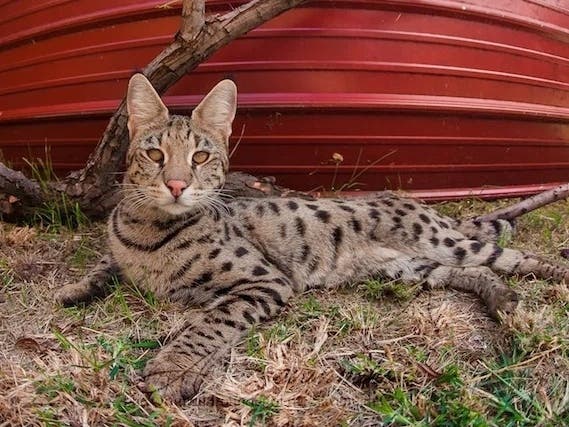
The topic A1 Savannah Cat Explained: Generation, Traits, and Classification is one of the most important subjects for anyone researching Savannah cats. These extraordinary felines combine the exotic beauty of a wild African serval with the companionship of a domestic cat. However, owning or understanding a Savannah cat requires more than admiration for its looks—it requires knowledge.
At a1 savannahs, education and ethical breeding are central values. This article explains Savannah cats in detail, focusing on how generations work, what traits define the breed, and how classification affects ownership, temperament, and legality.
What Is a Savannah Cat?
A Savannah cat is a hybrid breed developed by crossing a domestic cat with an African serval. The result is a tall, athletic, spotted cat that closely resembles its wild ancestor while maintaining a domesticated temperament when bred responsibly.
Savannah cats are not ordinary house cats. They are known for their intelligence, alertness, and need for interaction. Because of this, understanding their background is essential before bringing one into a home.
Find out what's happening in Orlandofor free with the latest updates from Patch.
The Origins of the Savannah Cat Breed
The Savannah cat breed originated in the late 20th century when breeders sought to combine the serval’s exotic appearance with the manageable temperament of domestic cats. Early breeding required extensive knowledge, patience, and ethical responsibility.
A1 Savannahs continues this legacy by focusing on:
- Healthy lineage
- Predictable temperament
- Proper socialization
- Transparency with buyers
This approach helps ensure that Savannah cats thrive in domestic environments rather than struggle with unmet needs.
Find out what's happening in Orlandofor free with the latest updates from Patch.
Savannah Cat Generations Explained in Detail
One of the most misunderstood aspects of Savannah cats is generation classification. Generations indicate how closely related a Savannah cat is to its serval ancestor.
F1 Savannah Cats
- First-generation hybrids
- Typically 50% or more serval
- Very large, athletic, and energetic
- Require experienced owners
- Often restricted by law
F1 Savannah cats are not recommended for most households due to their intensity and specialized care requirements.
F2 Savannah Cats
- Second-generation hybrids
- Roughly 25–37.5% serval
- Still highly active and intelligent
- More adaptable than F1s but still demanding
F2s can be excellent companions in the right environment, especially with knowledgeable owners.
F3 Savannah Cats
- Balanced mix of wild and domestic traits
- Highly intelligent and social
- Strong loyalty to their owners
This generation is often considered a turning point where Savannah cats become more manageable while still retaining their iconic look.
F4–F7 Savannah Cats
- Primarily domestic in behavior
- Easier to integrate into family homes
- Generally legal in more locations
A1 Savannahs frequently works with these generations to ensure compatibility with modern households.
Understanding Savannah Cat Classification
Beyond generation, Savannah cats are also classified by pedigree and breeding standards.
SBT (Stud Book Traditional)
- Indicates three or more consecutive Savannah-to-Savannah generations
- Predictable traits and temperament
- Preferred by ethical breeders
Non-SBT Savannah Cats
- May include outcrossing with other breeds
- Less predictable characteristics
A1 Savannahs emphasizes clear classification so buyers know exactly what they are adopting.
Physical Traits of Savannah Cats
Savannah cats possess several defining physical features:
- Long legs and tall stature
- Lean, muscular body
- Large, upright ears
- Short, dense coat with bold spotting
- Expressive eyes
These traits contribute to the Savannah cat’s wild appearance while remaining manageable in a domestic setting when responsibly bred.
Personality and Behavioral Traits
Savannah cats are widely known for their unique personalities.
Key Behavioral Traits
- Exceptionally intelligent
- Highly curious and alert
- Strong bonding with owners
- Enjoy interactive play
- Often comfortable with water
Unlike many domestic cats, Savannah cats actively seek engagement and stimulation.
Training and Mental Stimulation
Savannah cats respond extremely well to training due to their intelligence.
They can learn:
- Leash walking
- Fetch
- Clicker training
- Household routines
Mental stimulation is not optional—it is essential. A bored Savannah cat can develop destructive behaviors if not properly engaged.
Socialization and Family Compatibility
When raised correctly, Savannah cats can integrate well into families.
They often:
- Bond closely with one or two people
- Tolerate respectful children
- Coexist with dogs and other pets
Early socialization, which A1 Savannahs prioritizes, plays a critical role in long-term behavior.
Dietary Needs and Nutrition
Savannah cats require a high-protein diet to support their athletic bodies.
Common dietary options include:
- Premium grain-free kibble
- Balanced raw or hybrid diets (under guidance)
- High-quality wet food
Proper nutrition directly affects energy levels, coat condition, and overall health.
Health and Longevity
With responsible breeding and proper care, Savannah cats can live long, healthy lives.
Key factors include:
- Regular veterinary care
- Genetic screening
- Proper diet and exercise
A1 Savannahs places strong emphasis on health testing and ethical breeding practices.
Legal Considerations for Savannah Cats
Savannah cat ownership laws vary widely.
- Some states restrict early generations
- Others require permits
- City regulations may differ from state laws
A1 Savannahs assists buyers in understanding legal requirements before adoption, helping prevent future issues.
Ethical Breeding and Responsibility
Ethical breeding is critical for Savannah cats due to their hybrid nature.
A1 Savannahs focuses on:
- Responsible pairing
- Animal welfare
- Buyer education
- Lifetime support
This commitment protects both cats and owners.
Frequently Asked Questions (FAQs)
1. Are Savannah cats aggressive?
No. Properly bred and socialized Savannah cats are affectionate and loyal.
2. Do Savannah cats need special homes?
They need enriched environments, not cages or isolation.
3. Are Savannah cats suitable for apartments?
Later generations may adapt if provided with enough stimulation.
4. How much interaction do Savannah cats need?
Daily interaction is essential for their mental health.
5. Are Savannah cats good with children?
Yes, when children are taught respectful handling.
6. Why choose A1 Savannahs?
Because of ethical breeding, transparency, and long-term support.
Conclusion
Understanding A1 Savannah Cat Explained: Generation, Traits, and Classification is essential before considering ownership. Savannah cats are intelligent, athletic, and deeply engaging companions—but they are not for everyone.
Through education, ethical breeding, and transparency, A1 Savannahs helps ensure that every Savannah cat is placed in a home where it can thrive