Neighbor News
Electrical Buzzing From an Outlet? Here's What It Could Mean
Tips for telling a normal hum from a real electrical warning sign
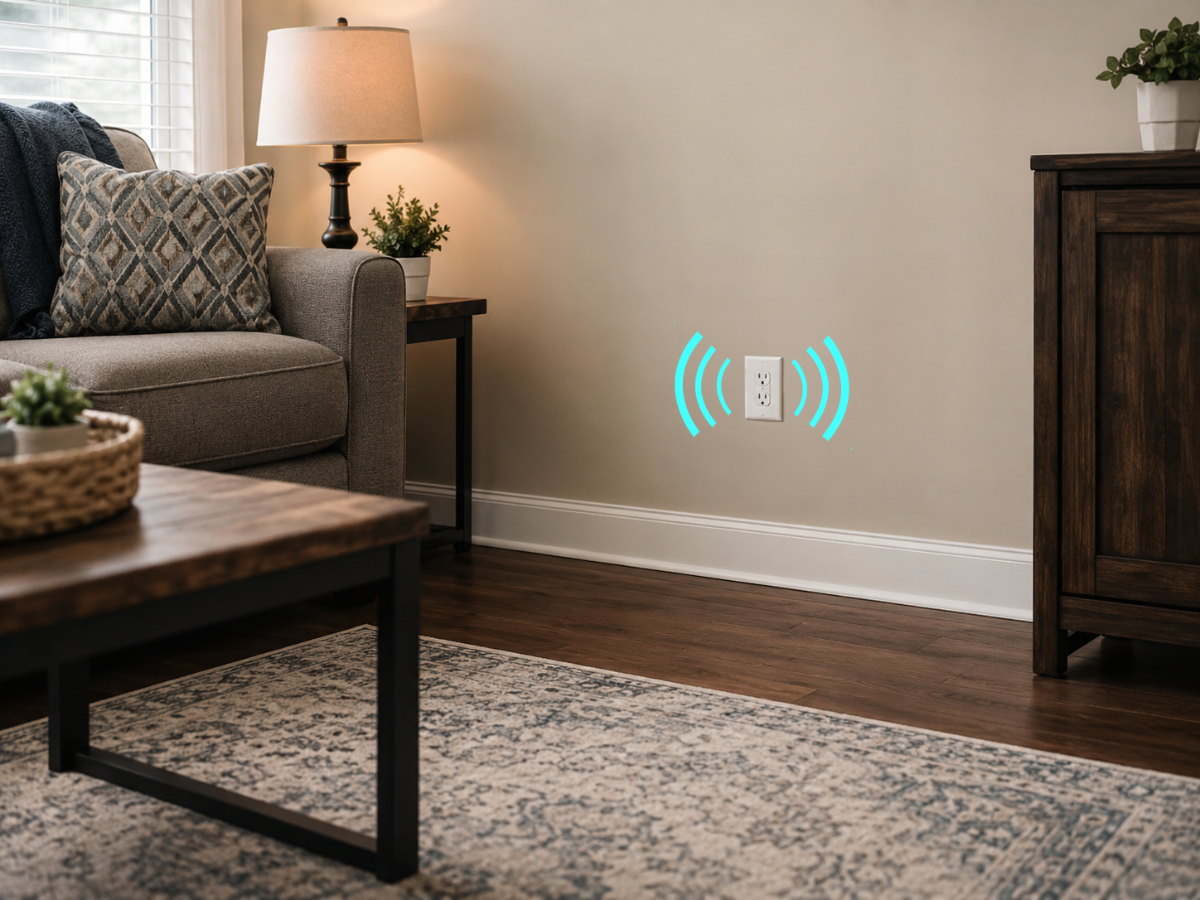
You're walking past the kitchen, or maybe it's the home office, and you hear it. A faint buzz coming from an outlet. It stops, you wait a second, it doesn't come back, so you move on with your day. Most of us have done exactly that.
What Does a Buzzing Outlet Mean?
A buzzing outlet means something in or near it isn't right: a loose connection, worn parts, an overloaded circuit, or in some cases, active arcing. Arcing happens when electricity jumps a small gap instead of flowing cleanly, and that jump creates heat. Heat behind a wall is worth paying attention to.
A standard wall outlet shouldn't buzz, hum, crackle, or hiss. When one does, it's usually one of those causes above, and crackling or sizzling in particular tends to point toward arcing more than a plain buzz does. Sometimes the fix is as simple as a loose screw terminal. Other times you're looking at a worn receptacle, damaged wiring, an overloaded circuit, or a connection that's corroded with age.
Find out what's happening in Orlandofor free with the latest updates from Patch.
It's more common than people think. Fire departments respond to an average of 46,700 home fires a year involving electrical failure or malfunction, according to the National Fire Protection Association (NFPA), the nonprofit that publishes national fire research and safety codes. Arcing was the heat source in 63% of those fires, roughly 29,400 a year. NFPA lists loose connections, whether in a junction box or at a device like an outlet, as one possible source of arc faults.
Normal Sounds vs. Warning Signs
Not everything you hear from your outlets is cause for concern.
Find out what's happening in Orlandofor free with the latest updates from Patch.
A few ways to tell them apart:
- Faint, steady hum from a dimmer switch: usually just how some dimmers interact with certain bulbs
- Buzzing that gets louder over time: worth having checked, since it can point to a worsening loose or arcing connection
- Buzzing paired with a warm or discolored outlet: a sign heat is building behind the wall, stop using it soon
- Crackling or popping: often points to arcing and should get attention right away
- Buzzing only with one specific appliance plugged in: might be the appliance itself, try another outlet first
What to Do If You Hear It
Don't ignore it, and don't try to fix it yourself. Unplug whatever's in that outlet and leave it alone until it's been looked at.
A few things worth doing in the meantime:
- Note which outlet it is and whether the sound is constant or comes and goes
- Feel the faceplate gently. If it's warm, stop using that outlet right away
- Check whether a nearby breaker has tripped or feels warm to the touch
Unplugging the appliance and calling it fixed isn't enough if the outlet itself is buzzing. The outlet could be fine and the real issue could be further back in the wiring, which isn't something to guess at. A licensed electrician can trace the issue back to its source before it turns into something bigger.
One Last Thing
A faint hum from a dimmer switch usually isn't anything to worry about. Buzzing from the outlet itself is a different story, and it's not something to diagnose on your own. Loose terminals, damaged wiring, and overloaded circuits can all look the same from the outside, so it's worth having a licensed electrician figure out which one you're actually dealing with.