Neighbor News
Five Public Speaking Lessons from Abraham Lincoln
Abraham Lincoln was one of the greatest presidents and speakers of the 19th century.
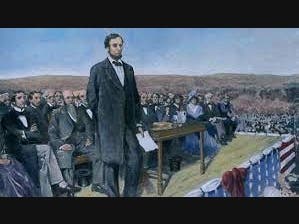
On President’s Day we honor two great presidents, George Washington and Abraham Lincoln. Lincoln was the 16th president of the United States. He was an expert in the art of rhetoric and is widely considered one of the greatest public speakers in American history. Lincoln’s speeches were so powerful that they had a profound effect on the course of the nation. His Gettysburg address is considered one of the greatest speeches in American history. His eloquence was a major factor in his ability to lead the country through the Civil War and preserve the Union.
We can learn five great lessons from Lincoln’s speechmaking:
1. Deliver your speech with confidence. Abraham Lincoln was renowned for his captivating delivery. He had an instantly recognizable voice and he used it to full effect when it came to his public speaking. His mastery of rhetoric was on full display in all of his speeches, and he was able to keep his audience engaged and attentive simply through the power of his delivery. With the right delivery, even average words can be incredibly powerful. Even if you don’t have the presence of Lincoln, you can still have a strong delivery by speaking confidently and using the right vocal techniques, such as emphasizing certain words and using pauses to create a sense of drama. Another great technique is to vary the pace of your speech to keep the audience interested.
Find out what's happening in Orlandofor free with the latest updates from Patch.
2. Keep your speech short and sweet. No matter how powerful a speaker might be, it’s almost inevitable that their audience will start to lose focus after a certain amount of time. Lincoln understood this and kept his speeches as brief as possible. He knew that there was no point in making a long-winded speech if his audience was going to lose interest partway through. When preparing your own speech, aim to keep it short and sweet. Clearly state your main points, and if you’re going to include any examples, make sure they’re brief and relevant. That way, you can make sure that your audience is still paying attention when you come to your conclusion.
3. Know your audience. When it came to writing his speeches, Lincoln was a master of persuasion. He understood the power of carefully crafted words and was a master of rhetoric. He was able to use his words to persuade his audience to take a particular stand on an issue or to back his particular policy. When it comes to making a persuasive speech, the most important thing is to know your audience. You must understand their interests and their opinions, and tailor your words accordingly. It’s also important to back up your arguments with facts, and to use emotions to appeal to your audience.
Find out what's happening in Orlandofor free with the latest updates from Patch.
4. Be a storyteller. One of the key qualities of Lincoln’s speeches was the way he used stories to make a point. From personal anecdotes to tales of famous figures to parables, Lincoln was able to use stories to illustrate his points and to connect with his audience on an emotional level. Using stories in your own speech is a great way to get your points across and to engage your audience. When selecting stories to use, remember to keep them relevant to the topic and try to choose ones that your audience can relate to. Also, be sure to use vivid language and descriptive details to really bring your story to life.
5. Be prepared: When it came to preparing for a speech, Abraham Lincoln was an absolute master. He often spent weeks poring over research, crafting every word in painstaking detail and reworking his speeches over and over again until they were absolutely perfect. This level of preparation is essential for any public speaker who wants to have an impact on their audience. By taking the time to thoroughly research your topic beforehand, you can make sure the content of your speech is enlightening and relevant to your audience. By carefully crafting each sentence and rewriting it until it is perfect, you can ensure that your words will be powerful and persuasive. And by committing the speech to memory, you can make sure that you get the delivery just right.
Here are five inspirational quotations from Lincoln’s speeches:
“And in the end it is not the years in your life that count, it's the life in your years.”
“Whatever you are, be a good one."
“Be sure you put your feet in the right place, then stand firm.”
“My Best Friend is a person who will give me a book I have not read."
“Folks are usually about as happy as they make their minds up to be.”