Neighbor News
Martin Luther King Jr. and the Enduring Power of the “I Have a Dream” Speech
A master of repetition, metaphor and imagery, Martin Luther King Jr. transformed moral conviction into words that moved a nation.
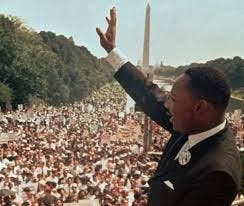
In August 1963, more than 250,000 people stood shoulder to shoulder on the National Mall, listening in silence as one man stepped forward to speak. There were no flashing screens or sound effects, only a voice and a message. Yet within minutes, Martin Luther King Jr. would deliver words so powerful that they would echo across generations. His “I Have a Dream” speech remains a masterclass in effective public speaking, showing how language can inspire hope and demand change.
The strength of King’s speaking talent can be found in his masterful use of rhetorical techniques, a clear moral purpose, and his deep connection with his audience.
First, effective public speaking relies on the strategic use of rhetorical techniques.
Find out what's happening in Orlandofor free with the latest updates from Patch.
King’s speech is unforgettable because of his command of repetition, metaphor, and imagery. The repeated phrase “I have a dream” creates rhythm and emotional intensity, allowing each vision of equality to build upon the last. When King declares, “I have a dream that one day this nation will rise up and live out the true meaning of its creed,” he reinforces his central message while stirring hope. “Let freedom ring from the prodigious hilltops of New Hampshire… from every mountainside.” King creates vivid geographic imagery of freedom echoing across hills and mountains, helping listeners picture equality spreading throughout the entire nation. These techniques show that effective public speakers use carefully crafted language to make their message memorable and persuasive.
Second, effective public speaking is grounded in a clear and compelling moral purpose.
Find out what's happening in Orlandofor free with the latest updates from Patch.
King speaks with moral authority because his message is rooted in justice rather than personal ambition. He frames the civil rights movement as a moral obligation promised by America’s founding documents. By quoting the Declaration of Independence, King reminds the nation of its unfulfilled promise: “We hold these truths to be self-evident, that all men are created equal.” He also stresses urgency, warning, “Now is the time to make real the promises of democracy.” This ethical clarity strengthens his credibility and calls the audience to responsibility. Effective public speaking, as King demonstrates, requires conviction and a clear sense of why the message matters.
Third, effective public speaking creates a deep emotional connection with the audience.
King’s speech resonates because it speaks to both suffering and hope. He acknowledges pain but refuses to surrender to hatred, cautioning, “We must not allow our creative protest to degenerate into physical violence.” His inclusive language invites unity, while his hopeful imagery inspires empathy. This emotional appeal motivates listeners to believe in change. Effective public speaking succeeds when audiences feel personally invested, and King achieves this through passion, sincerity, and hope.
In conclusion, Martin Luther King Jr.’s “I Have a Dream” speech reveals that the most powerful public speaking combines eloquent language, moral purpose, and emotional connection. King’s words did not merely echo across the National Mall—they reshaped a nation’s conscience. His speech remains a timeless lesson in how one voice, raised with courage and clarity, can change history.