Neighbor News
Popular Commercial Flooring Options for Orlando Businesses
A few things business owners should know before starting their flooring project.
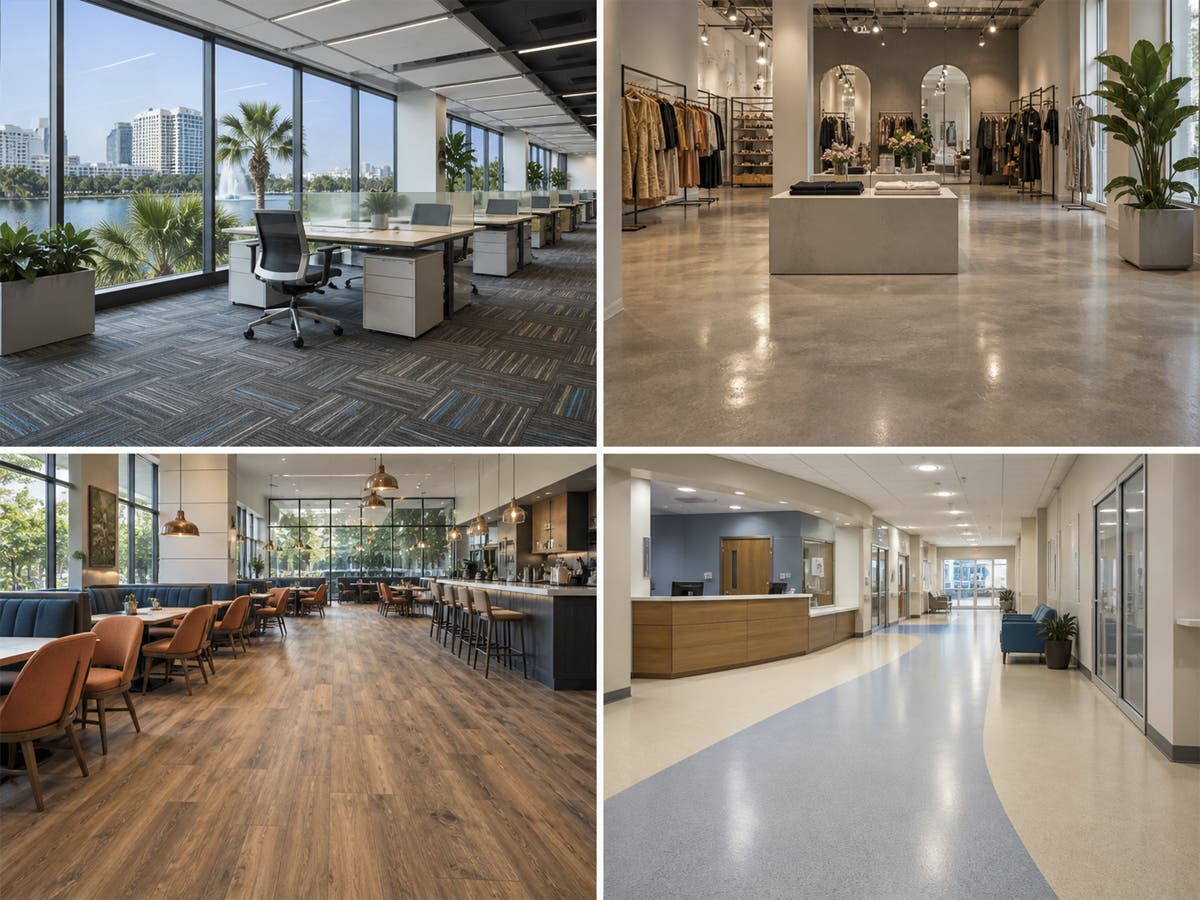
Orlando's neighborhoods are changing. New restaurants, boutiques, fitness studios, and offices are opening in areas such as Mills 50, Ivanhoe Village, Winter Park, and downtown. For residents, these openings bring more than just new places to visit. They bring foot traffic, local jobs, and a renewed sense of activity to blocks that may have felt quiet for a while.
Behind every new storefront, business owners have to make a long list of decisions before opening day. Flooring is one of the most important, even though it often goes unnoticed by customers walking in. The right flooring affects safety, comfort, maintenance, and how well a space holds up over time.
Common Flooring Types Chosen by Local Businesses
Find out what's happening in Orlandofor free with the latest updates from Patch.
Different types of flooring serve different needs depending on the business and the level of daily use the space receives. Here is a closer look at some of the most common options and how they show up in real commercial spaces.
Carpet is a common choice for offices and professional settings. It absorbs sound well, reduces noise in offices with multiple workstations, mutes footsteps in hallways and waiting areas, and softens the acoustics in conference rooms where clear conversation matters. Many commercial-grade carpets are also made with stain-resistant fibers, helping them hold up better in break rooms and other high-use areas. In Florida's humidity, carpet requires extra attention since trapped moisture can lead to mold growth underneath if it is not properly ventilated or dried after cleaning.
Find out what's happening in Orlandofor free with the latest updates from Patch.
Hardwood offers a classic, elegant look and works well in restaurants where aesthetics are integral to the dining experience, in boutique retail spaces where the flooring helps set a warm, upscale tone, and in salons where clients expect a polished, comfortable environment. It is durable and can last for decades with proper care, though it requires careful moisture control in Florida's humid climate, since trapped moisture beneath the surface can encourage mold growth over time. Engineered hardwood is often used as a more stable alternative to solid hardwood in this region, since it is less prone to warping. Direct sunlight can also cause hardwood to fade or discolor unevenly in spaces with large windows, so UV-protective window treatments or finishes are sometimes recommended.
Laminate is a budget-friendly option that mimics the appearance of hardwood or tile, making it ideal for new businesses with limited budgets, popular with startups furnishing their first office space, and a practical choice for retail shops that want a polished look without a high upfront cost. It is scratch-resistant, easy to maintain, and holds up well under regular foot traffic. Its sealed surface generally resists mold better than natural wood, though prolonged sun exposure can still cause fading over time in spaces with heavy natural light.
Vinyl is one of the most versatile flooring options available today. It is water-resistant and useful in restaurants where daily spills are common, practical in medical offices that require frequent sanitizing, and dependable in daycare centers where messes happen throughout the day. It also comes in a wide range of styles, including luxury vinyl tile and plank options that closely resemble wood or stone. Its water resistance makes it less prone to mold than porous materials, though lower-quality vinyl can discolor with extended sun exposure, so UV-resistant finishes are worth considering for storefronts with large windows.
Tile is durable and moisture-resistant, making it perfect for kitchens where moisture is a constant concern, dependable in restrooms that need frequent cleaning, and well-suited to entryways that see heavy foot traffic and occasional rain from outside. Porcelain tile in particular is known for holding up well in Central Florida's humidity. Tile itself resists mold well, though grout lines can be more vulnerable and may need periodic sealing to prevent buildup. Tile also holds up well under direct sunlight without fading, making it a durable choice for sunlit spaces.
Rubber flooring is used most often in gyms and fitness studios, where it reduces injuries in free-weight areas, absorbs impact during HIIT classes, and prevents slipping when sweat is on the floor. It also holds up well under heavy equipment and repeated use, and it is relatively easy to clean between sessions. In Florida, where humidity is high, rubber flooring maintains good traction even in warm environments. Rubber is naturally resistant to mold, though prolonged sun exposure near windows or skylights can sometimes cause discoloration over time.
Getting Expert Help Along the Way
For business owners weighing these options for the first time, working with a professional who understands both the materials and Central Florida's climate can make a significant difference. An experienced orlando flooring contractor can help ensure that a new floor holds up well beyond its first year in business.
As more entrepreneurs invest in Orlando's neighborhoods, these details, flooring included, continue to shape the character of the city's commercial spaces and the communities that surround them.