Neighbor News
The Role of Vitamins and Minerals That Most Farmers Overlook In Animal Feed
Learn how vitamins and minerals improve animal feed, health, and productivity in cattle and poultry.

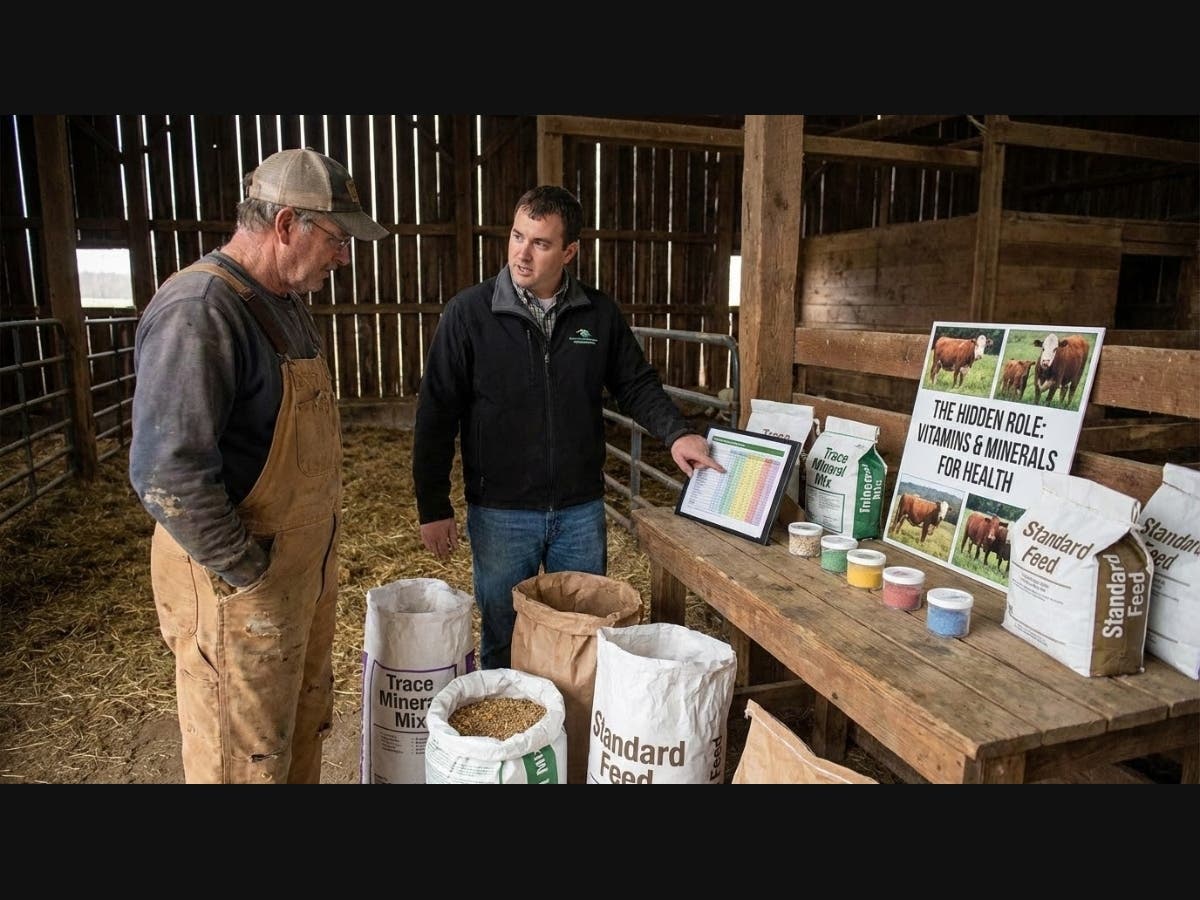
Feed looks complete on the surface. Grains, protein, energy sources. Animals eat, they grow. But here’s the problem: growth without balance leads to hidden losses. Weak immunity, poor weight gain, low milk yield, fragile eggshells.
This is where Animal Feed goes wrong most often. Not in calories. In micronutrients.
The real difference between average and high-performing livestock comes down to vitamins and minerals. They don’t just support health. They control metabolism, reproduction, immunity, and productivity.
Find out what's happening in Orlandofor free with the latest updates from Patch.
If your feed isn’t balanced at the micronutrient level, you’re leaving money on the table.
Why Vitamins and Minerals Matter in Animal Feed
Vitamins and minerals are not optional additives. They are biological regulators.
Find out what's happening in Orlandofor free with the latest updates from Patch.
According to the Food and Agriculture Organization, micronutrient deficiencies in livestock directly impact productivity, disease resistance, and reproduction rates.
What they actually do:
- Regulate enzyme activity
- Support immune response
- Strengthen bones and tissues
- Improve feed conversion efficiency
- Boost fertility and reproduction
Dr. Temple Grandin explains it simply:
“Animals don’t just need feed. They need the right balance of nutrients to perform and stay healthy.”
What Happens When Animal Feed Lacks Micronutrients?
Deficiencies don’t always show immediately. That’s what makes them dangerous.
Common signs:
- Slow growth in young animals
- Low milk production in dairy cattle
- Poor egg quality in poultry
- Weak immune response
- Reproductive failure
The National Research Council highlights that even minor mineral imbalances can reduce feed efficiency by up to 10–15%.
That’s not a small loss. That’s profit disappearing silently.
Essential Vitamins in Animal Feed
1. Vitamin A
- Supports vision, reproduction, and immune health
- Deficiency leads to infertility and weak calves or chicks
2. Vitamin D
- Controls calcium and phosphorus absorption
- Critical for bone strength and eggshell quality
3. Vitamin E
- Acts as an antioxidant
- Protects cells and improves immunity
4. Vitamin K
- Essential for blood clotting
- Deficiency can cause internal bleeding
5. B-Complex Vitamins
- Help with energy metabolism
- Important for growth and nervous system function
In both Cattle Feed and Chicken Feed, these vitamins must be precisely balanced based on species, age, and production stage.
Key Minerals That Drive Animal Performance
Minerals are divided into macro and trace categories.
Macro Minerals (needed in larger amounts)
- Calcium (Ca): Bone development, milk production
- Phosphorus (P): Energy metabolism, skeletal health
- Magnesium (Mg): Muscle function
- Sodium (Na) & Potassium (K): Fluid balance
Trace Minerals (needed in small amounts but critical)
- Zinc (Zn): Skin health, immunity
- Copper (Cu): Red blood cell formation
- Selenium (Se): Antioxidant defense
- Iron (Fe): Oxygen transport
Dr. Robert Van Saun notes:
“Trace mineral deficiencies often go unnoticed until performance drops. By then, the damage is already done.”
How Vitamin and Mineral Needs Differ by Animal Type
In Cattle Feed
- Dairy cattle need higher calcium and phosphorus
- Beef cattle require balanced trace minerals for growth
- Deficiencies reduce milk yield and weight gain
In Chicken Feed
- Layers need high calcium for strong eggshells
- Broilers require optimized vitamins for rapid growth
- Imbalance leads to poor feed conversion and weak bones
This is why generic feeding doesn’t work. Precision matters.
Natural vs Supplemented Nutrients: What Works Best?
There’s a common debate: natural sources vs premixes.
Natural sources:
- Green forage (Vitamin A precursors)
- Sunlight (Vitamin D)
- Grains and oilseeds
Supplementation:
- Mineral premixes
- Vitamin additives
- Fortified feed formulations
The reality:
Modern farming requires supplementation.
Why? Because soil depletion and intensive farming reduce natural nutrient availability. The Food and Agriculture Organization has repeatedly pointed out declining soil micronutrients globally.
How to Balance Animal Feed Properly
This is where most farmers struggle.
Practical approach:
- Analyze your base feed ingredients
- Identify nutrient gaps
- Use a balanced premix
- Adjust based on animal type and stage
- Monitor performance and health
Working with a trusted supplier like Midsouth Feeds ensures consistency and scientifically balanced formulations.
Common Questions About Vitamins and Minerals in Animal Feed
How much vitamins should be added to animal feed?
It depends on species, age, and production goals. Over-supplementation can be harmful, especially with fat-soluble vitamins like A and D.
Can animals get enough minerals from natural feed alone?
In most modern systems, no. Soil depletion and processed feeds reduce natural nutrient levels.
What is the biggest mineral deficiency in livestock?
- Cattle: Calcium and phosphorus imbalance
- Poultry: Calcium deficiency in layers
Do vitamins improve feed efficiency?
Yes. Proper vitamin balance improves digestion, metabolism, and overall feed conversion.
Is mineral toxicity a risk?
Yes. Excess selenium or copper can be toxic. Balance is critical.
The Real Cost of Ignoring Micronutrients
Skipping proper micronutrient balance might save money upfront. But the long-term losses are bigger:
- Lower productivity
- Higher veterinary costs
- Increased mortality
- Reduced product quality
That’s not a feed problem. That’s a management problem.
Where Smart Feeding Is Headed
The future of Animal Feed is precision nutrition.
- Data-driven feed formulation
- Customized micronutrient blends
- Species-specific optimization
Producers who understand this are already ahead.
Final Thought
Better feed isn’t about adding more. It’s about adding what actually matters.
The difference between average livestock and high-performing animals often comes down to a few milligrams of the right nutrients.
As Dr. Temple Grandin puts it:
“Good management is about paying attention to the small details. That’s where the biggest improvements come from.”