Neighbor News
Summer Tile and Grout Maintenance Checklist for Central Florida Homeowners
How to tell everyday grime from a real moisture problem
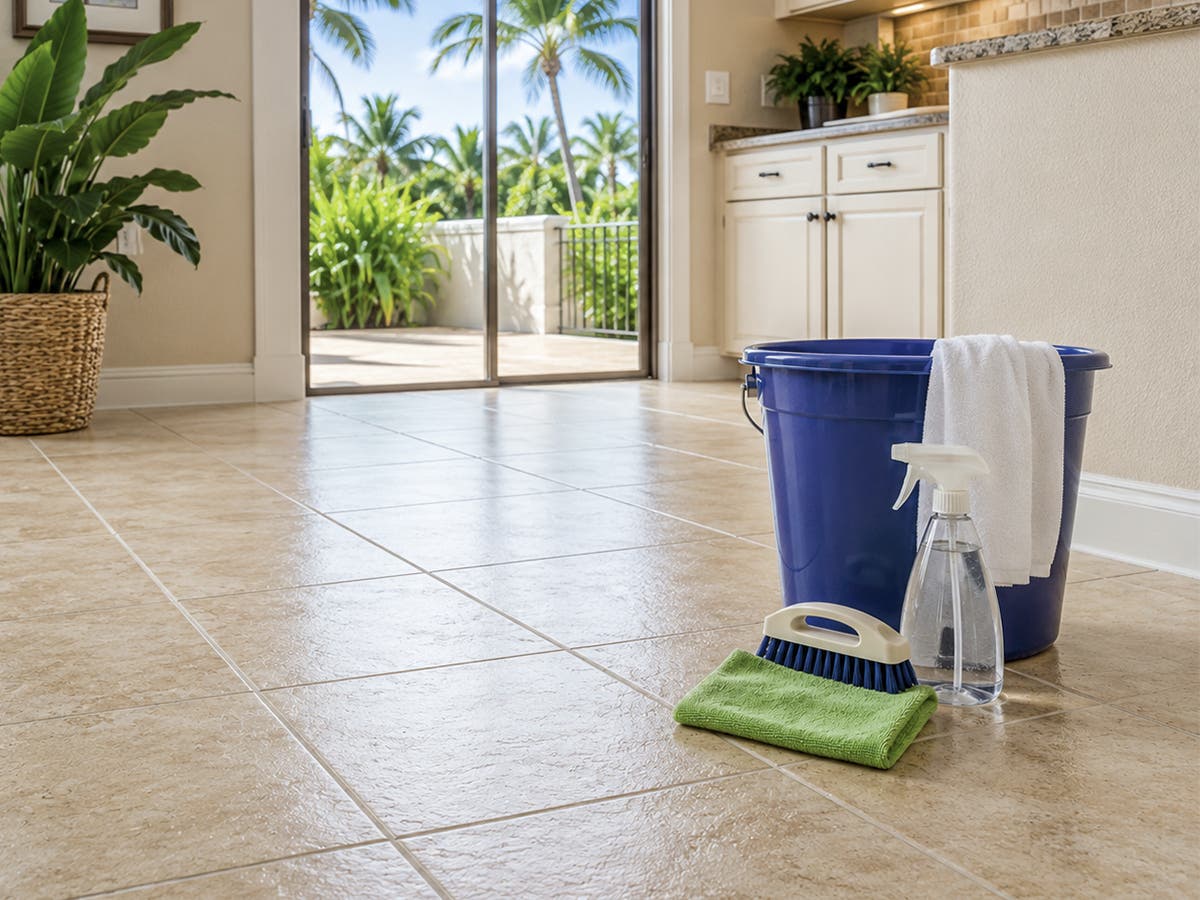
Central Florida summers bring daily storms, high humidity, and plenty of extra moisture around the house. Bathrooms and kitchens usually feel it first, especially in areas with tile and grout. Grout is porous, so over time it soaks up more moisture than most people realize, especially if it hasn't been sealed in a while.
A few small habits this summer can catch problems early, before they turn into bigger, messier ones. Here's what to keep an eye on.
1. Check What Grout Discoloration Is Really Telling You
Find out what's happening in Orlandofor free with the latest updates from Patch.
Dark or stained grout lines don't always mean the same thing, and it's easy to assume the worst. Sometimes it's just soap scum. Sometimes it's mineral buildup from our hard water. Other times, yeah, it's mold or mildew feeding on residue sitting on the surface.
So how do you tell? Wipe it with a damp cloth. If it comes off, you were just looking at buildup. If it's still there after a good cleaning, or it keeps coming back no matter what you do, that's worth paying closer attention to.
Find out what's happening in Orlandofor free with the latest updates from Patch.
2. Check Ventilation and Moisture in Bathrooms and Kitchens
Grout problems usually trace back to moisture that sticks around too long, not just humidity in the air.
A few habits that make a real difference:
- Run the bathroom exhaust fan during and after showers
- Consider using a dehumidifier; it helps keep the humidity level between 45% and 50%
- Wipe down shower walls and floors after use
- Dry entryway tile after tracking in rain
- Fix any small leaks around sinks or tubs quickly
Good airflow and quick drying go a long way toward keeping grout from staying damp long enough for mold or mildew to take hold.
3. Clean Mold and Mildew the Right Way
If you do spot mold or mildew on tile or grout, the good news is you can often handle small spots yourself. The EPA recommends scrubbing hard cleanable surfaces with detergent and water, then drying the area completely. For a small patch, that's usually enough to take care of it.
Here's where people get confused: if the discoloration keeps returning even after you've cleaned it properly, that's usually not a cleaning problem. It's a moisture problem. Water is getting trapped somewhere in the grout or subsurface, and surface cleaning alone won't fix that. That's typically when a professional tile and grout cleaning makes sense, since it reaches deeper into the porous grout and addresses buildup that regular scrubbing can't fully remove.
4. Check Your Grout Sealer (If Your Grout Uses One)
Quick heads up: not all grout even needs a sealer, so this step depends on what you've got. Standard cement-based grout usually benefits from a penetrating sealer since it helps resist stains and moisture. But if you've got epoxy grout or one of the newer high-performance premixed types, don't worry about this one. Those are already dense enough that sealer isn't really necessary, and it may not even stick properly.
Not sure what kind you have? Try this: drop a little water on a grout line and watch it. Beads up? You're good. Soaks in fast? Might be time to reseal.
As for how often that needs to happen, it depends. Traffic, cleaning habits, and the specific product used determine how often you need to reseal. Some sealers hold up for years indoors under normal use. Others wear out sooner if they're getting scrubbed with harsh cleaners regularly. Rather than guessing on a schedule, just do the water test every so often. It'll tell you what you actually need to know.
The Bottom Line
Tile and grout take a beating during Florida's rainy season, but most of what goes wrong traces back to trapped moisture, not the humidity itself. Pay attention to what your grout is actually telling you, keep air moving through bathrooms and kitchens, clean mold the right way when it shows up, and check your sealer once in a while. Stay on top of those, and your tile should hold up just fine until the dry season rolls back around.