Neighbor News
Top 8 Ad Exchanges for Publishers
The online ad industry is growing at a rapid rate. This only means one thing, more monetization opportunities for publishers.
The online ad industry is growing at a rapid rate. This only means one thing, more monetization opportunities for publishers.
Do you know that the global search advertising spending in 2021 was around 144.8 billion USD?
What’s more interesting is that the amount is expected to grow. According to Statista, internet advertising spending will reach up to 163 billion USD by 2022.
Find out what's happening in Orlandofor free with the latest updates from Patch.
When it comes to generating more revenue, ad exchange platforms are becoming the next big thing. Ad exchanges are getting more attention from publishers because of their technology-based advantages.
If you are a publisher looking for a good ad exchange platform, you are on the right track. We have shortlisted the top 8 ad exchanges for publishers that you’ll find amusing.
Find out what's happening in Orlandofor free with the latest updates from Patch.
But before we review these ad exchanges, let’s first discuss some basic details.
What Are Ad Exchanges?
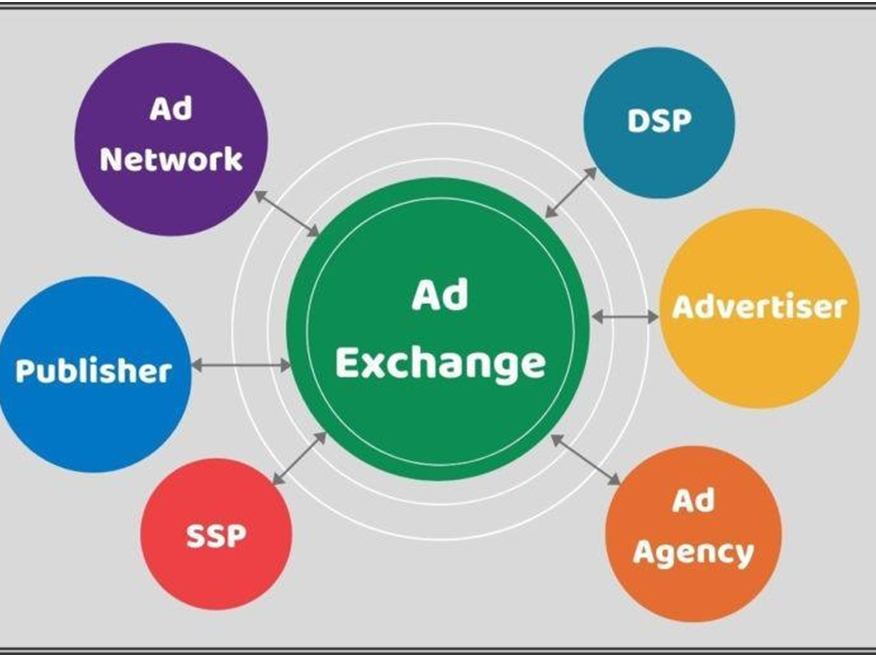
An ad exchange is a digital platform that eases the process of selling and buying ads. It fetches media advertising inventory and follows a technology-driven approach. Unlike the historical approach, the platform determines the prices through real-time bidding.
The inventory pool consists of publishers, SSPs, and multiple ad networks. It is then shown to buyers (advertisers and DSP) and sometimes to ad networks.
The core element, however, is the real-time purchase of impressions. The impression pool consists of mobile, video, display, and in-app inventories.
Top Ad Exchanges for Publishers
Below are the top ad exchanges which we have found useful for publishers.
CodeFul
CodeFuel is one of the best ad exchange platforms for publishers. With over 1.1 thousand publishers, it is offering its services in more than 150 countries worldwide.
CodeFuel offers premium services to publishers by letting them leverage intent-based ads. The fact that it has won Microsoft Advertising’s partner of the year award makes it stand out among the rest.
Distinctive Features of CodeFuel
- CodeFuel facilitates publishers monetizing apps and websites with the real-time bidding process to improve their monetization.
- The platform has detection filters in place to authenticate traffic. It had fraud detection filters as well to identify bots.
- CodeFuel has an interactive dashboard for publishers which is easy to use even for non-technical users. This simply means that publishers don’t have to do manual work.
OpenX
OpenX is an ad exchange platform that provides publishers complete control over inventories. The company facilitates more than 60 billion daily bids which is an achievement in itself.
The ad exchange company is popular because of its contribution to the “Certified Against Malware” program. But what makes it ideal for publishers is its anti-ad fraud measures. This, in turn, improves the efficiency and the monetization process.
Distinctive Features of OpenX
- The real-time guaranteed (RTG) service allows audience synchronization. This facilitates advertisers and publishers to assess the value before making a deal.
- OpenX platform assists publishers in monetization by predicting their audience volume.
- It has a dedicated mobile-optimized ad exchange program specifically for mobile inventory.
PubMatic

It’s an ad exchange platform known for its publisher’s first approach. The platform claims to achieve a milestone of 64 billion daily ad impressions. The company is displaying ads to 800M+ unique users worldwide.
PubMatic offers its services for app, mobile, and web publishers. Thanks to its interactive dashboard, publishers can simplify ads, view inventories, and boost their efficiency.
Distinctive Features for Publishers
- Inventory Quality Controls, CPS Management, Advanced Analytics, and DMP integrations are some key services provided by the platform.
- An extensive pool of buyers and the real-time bidding process increases the chances of higher monetization.
- To ensure brand safety, PubMatic has a detection filter to validate traffic.
Google AdX

This is the premium version of AdSense and arguably the largest ad exchange platform. It operates under the umbrella of “Google Ad Manager” and allows Google Display Network partners to buy and sell ads.
However, the AdX is only made available for premium partners by Google. If you are a small publisher, you can access AdX through Google’s network partners, such as AdPushup.
Distinctive Features Google AdX
- The biggest advantage of Google AdX for publishers is that it is easy to install. The best part is that you won’t need any money for it.
- It automatically adjusts the prices through a dynamic price floor deepening buyers’ demand.
- The account-level filtering provides publishers with unique options, such as data usage blocking, advertisers blocking, sensitive category blocking, URL blocking, and many more.
SmartyAds
SmartyAds has more than 135 billion monthly impressions as an ad exchange platform. This is a real-time marketplace for bidding that links buyers and sellers.
The company has more than 25 thousand premium publishers on board. It claims to offer quality exchange services with unbiased trade and ensures maintained profits for both parties.
Distinctive Features of SmartyAds
- It has a Fraud score, an in-built anti-fraud solution, that offers protection to publishers against frauds and bots.
- SmartyAds provides an AI-based full-stack solution to app publishers to assist them in reaching the target buyers.
- The white label ad exchange platform allows publishers to sell inventories across the globe on desired terms.
Xandr
It’s the most advanced and the largest ad exchange platform across the globe. The company has more than 11 billion daily impressions as a marketing platform.
Previously known as “AppNexus” the company takes pride in being a cloud-based software platform. Publishers like Fandom, Wayfair, MiQ, Ranker, and Underdog media are using this platform.
Distinctive Features of Xandr
- The ad exchange’s suite consists of forecasting, ad serving, audience extension, and SSP.
- The “Forecast Shaped Pacing” algorithm permits direct campaigns which open more inventories during peak hours.
- Xandr’s log-level data helps publishers to evaluate and ensure that inventories are being sold fairly.
Maginte
Maginte (previously known as Rubicon Project) is another leading ad exchange for publishers. It facilitates more than 1 billion monthly deals as a marketing platform.
It provides demand and campaign management and partnered with Xandr (AppNexus) to create Prebid.
Distinctive Features of Maginte
- To improve monetization, it’s offering hybrid header, server-side, and client-side bidding solutions.
- Maginte allows publishers to access global demand while ensuring they don’t have to go through multiple channels.
- The ad exchange platform is designed for non-technical publishers so you don’t have to do manual work.
Index Exchange
Index Exchange is a platform that provides a market for premium media advertisers. The platform provides complete control to publishers over pricing and inventory.
Publishers can set criteria for ads and filter advertisements according to their own will. Publishers such as The Telegraph, The Economist, and Business Insider are using the Index Exchange platform.
Distinctive Features of Index Exchange
- Index Exchange has earned its name for being a transparent ad exchange platform. Especially when we talk about auction data and quality control, it surpasses its competitors.
- The best feature is the maintenance and in-house inventory integration which improve results.
- Index Exchange is committed to only offering quality ads and the certification by TAG seconds its values.
Difference between Ad Networks and Ad Exchange
People often confuse ad exchanges with ad networks and think that both are the same. However, they are two entirely different things.
An ad network usually collects inventory from various publishers as part of its business model. Afterward, it marks the inventory to sell it for a profit.
An ad exchange, on the other hand, offers somewhat similar services with more transparency. Compared to an ad network, it allows the buyer to see the exact price offered by the advertisers.
How does an Ad Exchange Work?
The ad exchanges record inventory of specific pages when visitors view publishers’ pages. It marks each ad location and banner to record a page’s inventory by considering them as distinctive impressions.
Publishers can offer their inventories for bids once they are connected to exchange through SSP (supply-side platform). Afterward, the ad exchange platform will pick the most suitable bidders after collecting visitors’ information.
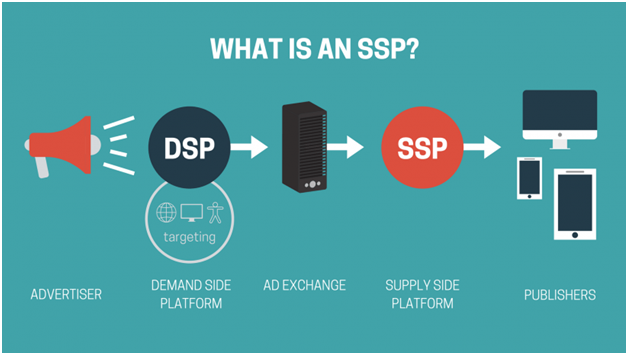
The process of advertisement through an exchange is different for advertisers.
Advertisers are usually connected through DSP (demand-side platform) to an ad exchange platform. Thus, there is no role of SSP when it comes to advertisers. They have to go through a real-time bidding process in order to secure an ad space.
Advertisers show the maximum cost-per-impression when they are connected to an ad exchange. However, advertisers can select certain criteria for the inventory according to their requirements.
Why Do You Need Ad Exchanges?
The transparency and autonomy that ad exchanges offer make them a preferable solution for publishers.
As a publisher, you get to pick the buyer as per your own preferences. Thus, you will be able to display advertisements on your page that are ideal for your audience.
The best part is that publishers can control ads and restrict undesirable ones.
The whole process of ad exchange is automated and is done in milliseconds. This allows ad exchanges to sell impressions in bulk and in bundles. The bidding process starts once there is a new inventory and the platform instantly notifies the potential bidders.
As a result, the highest bidder gets the inventory and the publisher gets filtered ads.
Which Ad Exchange Is Best for You?
All the ad exchange platforms mentioned above are equally good and beneficial. But from a publisher’s perspective, we found CodeFuel to be the best ad exchange platform.
CodeFuel has an interactive dashboard and a dedicated team to ease the process for publishers. Its real-time bidding process ensures that you get the best value. Plus, the ad placements are according to the publisher’s requirement which further improves the user experience.