Neighbor News
Vet Visit Anxiety - How to Desensitize Your Pet Step-By-Step
Help your dog or cat overcome vet visit anxiety with a step-by-step desensitization plan. Learn how to recognize signs

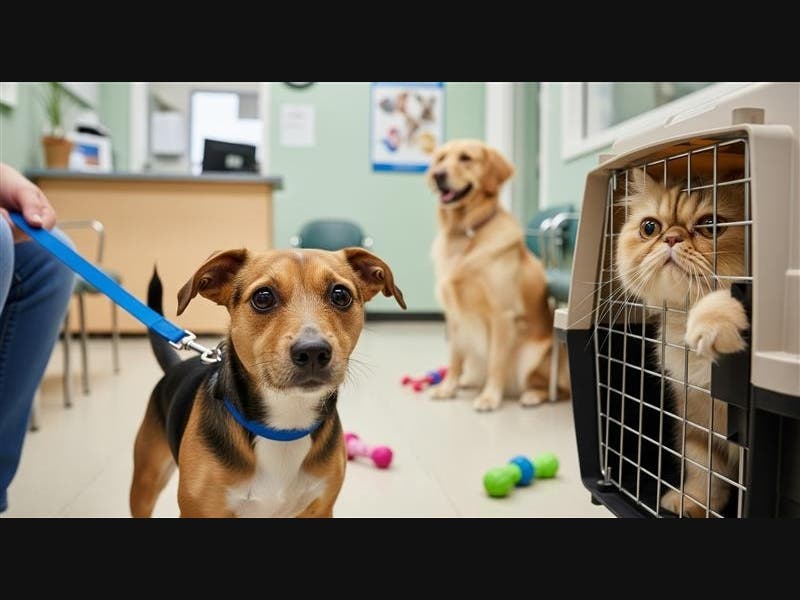
Vet visits are essential for keeping your furry friend healthy but for many pets, stepping through that clinic door feels overwhelming. Strange smells, new people, cold tables, and memories of shots can turn even the calmest dog or cat into a ball of nerves. Vet visit anxiety isn’t just stressful, it can delay important care and make handling unsafe.
The good news? You can help your pet learn that vet visits are nothing to fear. With patience and a step-by-step desensitization plan, your dog or cat can walk into the clinic feeling much more relaxed and confident.
How to Recognize Signs of Vet Anxiety
Before you can help your pet, it’s important to understand the signs. Anxiety shows up in different ways for each animal, but common body-language cues include:
Find out what's happening in Orlandofor free with the latest updates from Patch.
- Trembling or shaking
- Excessive panting or drooling
- Hiding, pacing, or trying to escape
- Growling, hissing, barking, or whining
- Ears and tail pinned back
Behaviorally, your pet may resist getting into the car, avoid the carrier, or refuse to walk through the clinic door. Early recognition means you can intervene before fear escalates into panic or before it becomes a long-term problem.
Why Desensitization Works
Desensitization is a gradual training method that reduces fear by exposing pets to scary experiences slowly and positively. Combined with counter-conditioning pairing something scary with something they love (like treats or affection) this technique helps re-train your pet’s brain so the vet becomes a place where good things happen.
Find out what's happening in Orlandofor free with the latest updates from Patch.
Benefits include:
- Calmer, easier-to-handle pets
- Shorter, smoother checkups
- Less stress for both pet and owner
- Better long-term health because vet visits stop being avoided
Step-By-Step Desensitization Plan
Step 1: Get Them Comfortable at Home
Start where your pet feels safest.
- Practice gentle handling daily, touch paws, ears, belly, tail, and check teeth
- Use calm voices and reward relaxed body language
- Pretend to be the vet and briefly examine them, then give treats
Helpful tip: Many owners like using enrichment toys or treats to give their pets a positive focus, websites like Wauf offer pet-friendly lifestyle tips and tools that support a calmer, happier routine.
Step 2: Build Positive Association With Carrier or Car
Many pets panic before they even see the vet, they know the car means something stressful.
Try:
- Keeping the carrier out all the time, let it be part of your home
- Feeding meals or placing treats inside it
- Taking short, fun car rides (park, offer a treat, go home, no vet visit)
Step 3: Practice Fake Vet Visits
Turn fear into familiarity.
- Place your pet on a table or mat and do a pretend exam
- Have a friend touch them gently like a vet might
- Reward generously after the “checkup”, treats or playtime
Step 4: Low-Pressure Introductions to the Clinic
Help your pet understand that the clinic isn’t scary every time.
Try this gradual approach over multiple days:
- Drive to the parking lot, feed a treat, go home
- Walk inside the lobby, say hello, offer praise
- Let your pet sniff around, then leave
- Slowly increase time spent there
This turns the vet clinic into a familiar environment, not a threat.
Step 5: Optional Calming Tools
Some pets need extra help relaxing.
Consider:
- Calming pheromone sprays or diffusers
- A favorite blanket or toy
- Calming music during the car ride
- High-value treats they only get on vet days
What to Do on the Actual Appointment Day
Even when prepared, staying calm is key pets read your energy!
- Speak softly and avoid showing nervousness
- Bring their favorite treats or comfort toy
- Ask the staff if they use fear-free handling techniques
- Take breaks if your pet seems overwhelmed
Many pet parents find it helpful to support their pet’s emotional health every day, lifestyle and training resources like Wauf.com can help you build a routine of trust and confidence long before your appointment.
When to Ask for Professional Help
If your pet:
- Freezes, shakes uncontrollably, or shows aggression
- Refuses to enter the clinic even after training
- Panics during handling
…it may be time for expert support. A certified trainer or veterinary behaviorist can create a personalized plan. In severe cases, your vet might recommend anxiety medication to make visits safer and more manageable.
Bonus Tips to Make Vet Visits Easier
- Start desensitization early, puppies and kittens adapt fastest
- Take short “happy visits” just for a treat at the desk
- Never punish anxious behavior, fear isn’t misbehavior
Conclusion
Helping your pet overcome vet anxiety takes time, patience, and love, but every small step matters. With gentle training and positive associations, even fearful pets can learn that the vet is a safe place. Remember: a calmer vet visit leads to better long-term health and a happier life for your furry best friend.