Neighbor News
What Are The Signs Of Overtraining In A Belgian Malinois?
Belgian Malinois are renowned for their exceptional work ethic, intelligence, and unwavering drive.

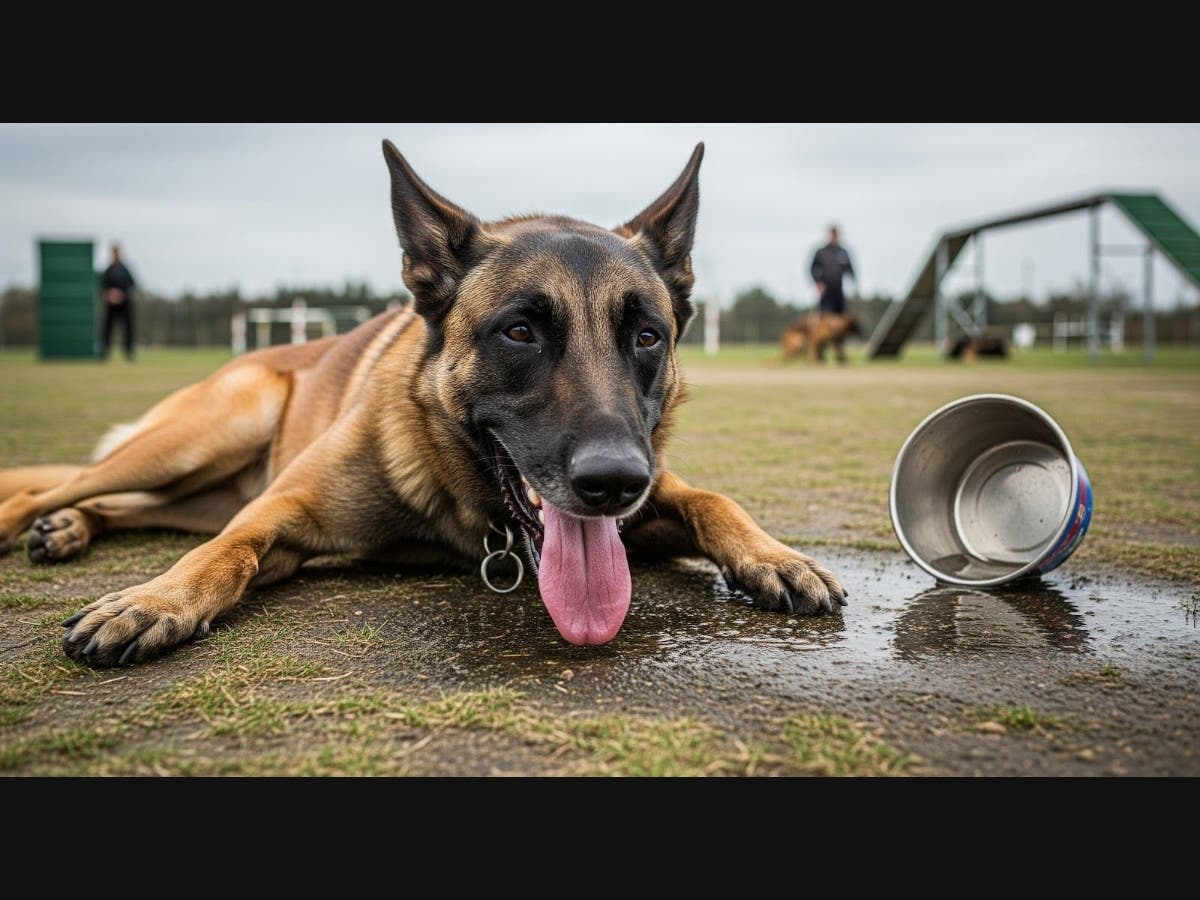
Belgian Malinois are renowned for their exceptional work ethic, intelligence, and unwavering drive. These qualities make them ideal candidates for various demanding roles, including law enforcement, military operations, search and rescue, and specialized security work.
Their intense desire to work and please their handlers makes them particularly valuable in protection dog training programs. However, this same characteristic can sometimes lead to a serious concern: overtraining.
Understanding the signs of overtraining in a Belgian Malinois is crucial for maintaining their physical health, mental well-being, and long-term performance capabilities, whether you're working with an experienced adult or have recently acquired one of the many Belgian Malinois puppies for sale from reputable breeders.
Understanding Overtraining in Working Dogs
Overtraining occurs when a dog is subjected to excessive physical or mental demands without adequate rest and recovery time. Belgian Malinois, with their boundless energy and eagerness to work, are particularly susceptible to this condition because they rarely show reluctance to continue working, even when their bodies and minds need rest.
Unlike other breeds that might naturally slow down or disengage, Malinois often push themselves beyond healthy limits, making it the handler's responsibility to recognize when enough is enough.
The consequences of overtraining extend far beyond temporary fatigue. Chronic overtraining can lead to serious physical injuries, compromised immune function, behavioral problems, and a breakdown in the dog-handler relationship.
For working dogs and those involved in protection dog training, recognizing early warning signs can mean the difference between a long, successful career and premature retirement due to burnout or injury.
Find out what's happening in Orlandofor free with the latest updates from Patch.
Physical Signs of Overtraining
Persistent Fatigue and Lethargy
One of the most obvious indicators of overtraining is when your normally energetic Belgian Malinois begins showing consistent signs of exhaustion. While it's natural for dogs to be tired after training sessions, this fatigue should resolve with proper rest.
If your Malinois seems constantly sluggish, takes longer to recover between sessions, or shows reluctance to engage in activities they normally love, overtraining may be the culprit.
Key physical fatigue indicators include:
- Excessive panting that continues long after exercise has ended
- Difficulty rising from a resting position
- Slower response times to commands
- Reluctance to jump or perform previously easy physical tasks
- Extended sleeping periods or difficulty waking up
Decreased Performance and Regression in Skills
When a Belgian Malinois is overtrained, you'll notice a paradoxical effect: despite more training, their performance actually declines. Commands that were once executed flawlessly may become sloppy or inconsistent. The dog may appear confused during familiar exercises or show a lack of focus that wasn't present before. This regression happens because the dog's cognitive and physical systems are overwhelmed and unable to consolidate learning effectively.
Find out what's happening in Orlandofor free with the latest updates from Patch.
Physical Injuries and Chronic Soreness
Overtraining significantly increases the risk of musculoskeletal injuries. Belgian Malinois that are pushed too hard may develop limping or favoring certain legs, muscle strains or sprains, joint inflammation particularly in the hips, elbows, and shoulders, pad injuries or excessive wear on paw pads, and in extreme cases, stress fractures.
Your dog may also show signs of general soreness, such as sensitivity to touch in certain areas, stiffness after rest, or reduced range of motion. These physical symptoms shouldn't be ignored, as continuing to train an injured dog can lead to permanent damage.
Behavioral and Psychological Signs
Loss of Enthusiasm and Motivation
Belgian Malinois are typically enthusiastic workers who live for training and engagement. When overtraining occurs, you may notice a dramatic shift in attitude.
Your once eager dog may show reluctance to approach training areas, display avoidance behaviors when you reach for their leash or collar, lack the typical excitement during warm-up routines, or appear disinterested in their favorite toys or rewards.
This loss of enthusiasm is a critical warning sign that should never be dismissed as simple stubbornness or disobedience.
Increased Irritability and Aggression
Overtraining can significantly impact a dog's temperament. A normally stable Belgian Malinois may become irritable, short-tempered, or even aggressive when pushed beyond their limits. Warning signs include unusual snapping or growling at family members or other dogs, increased reactivity to environmental stimuli, reduced tolerance for handling or grooming, defensive posturing during training sessions, and heightened anxiety in situations that previously didn't cause stress.
Changes in Appetite and Eating Habits
Mental and physical exhaustion from overtraining often manifests in altered eating patterns. Some overtrained Belgian Malinois may show decreased appetite or disinterest in food, difficulty keeping food down after eating, unusual food guarding or resource-related anxiety, or conversely, stress-induced overeating in some cases.
These changes can lead to weight loss or gain, both of which can further compromise the dog's health and performance.
Physiological Warning Signs
Elevated Resting Heart Rate
A consistently elevated resting heart rate is a measurable indicator of overtraining. When a dog's body doesn't have adequate recovery time, their cardiovascular system remains in a state of stress. Monitoring your Belgian Malinois's resting heart rate can provide valuable data about their recovery status.
Age/Condition
Normal Resting Heart Rate
Potential Overtraining Indicator
Adult Belgian Malinois (at rest)
60-100 beats per minute
Consistently above 100 bpm
After light activity
100-140 beats per minute
Elevated for more than 30 minutes post-activity
During recovery period
Should decrease steadily
Remains elevated or decreases slowly
Immune System Compromise
Overtraining suppresses immune function, making Belgian Malinois more susceptible to infections and illnesses. Watch for frequent minor infections or colds, slow healing of cuts or abrasions, recurring skin conditions or hot spots, increased susceptibility to parasites, and general malaise or low-grade fever without obvious cause.
Sleep Disturbances
While overtrained dogs may sleep more overall, the quality of that sleep is often poor. You might notice restless sleeping with frequent position changes, whimpering or twitching during sleep more than usual, difficulty settling down at bedtime, or waking frequently throughout the night.
Comparing Healthy Training vs. Overtraining
Understanding the difference between appropriate training fatigue and overtraining is essential for anyone considering Belgian Malinois puppies for sale or currently working with these incredible dogs.
Aspect
Healthy Training Response
Overtraining Signs
Recovery Time
Returns to normal energy within a few hours
Fatigue persists for days
Performance
Steady improvement over time
Declining performance despite continued training
Attitude
Eager and enthusiastic
Reluctant or avoidant
Physical Condition
Appropriate muscle development, healthy coat
Weight loss, dull coat, chronic soreness
Behavior
Stable temperament
Irritability, anxiety, or aggression
Sleep Quality
Restful, adequate sleep
Restless or excessive sleep
Prevention Strategies
Preventing overtraining requires mindful planning and constant observation. Implement adequate rest days between intense training sessions, with at least one or two complete rest days per week. Vary training intensity and types of exercises to prevent repetitive stress injuries.
Monitor your dog's body condition, energy levels, and enthusiasm regularly. Incorporate mental stimulation activities that don't require physical exertion. Ensure proper nutrition that supports the dog's activity level and recovery needs. Schedule regular veterinary check-ups to catch potential issues early.
Recovery and Treatment
If you suspect your Belgian Malinois is overtrained, immediate action is necessary. Reduce training intensity and frequency immediately, allowing several days to weeks of reduced activity depending on severity.
Consult with a veterinarian to rule out underlying medical conditions and address any injuries. Provide mental enrichment through puzzle toys, scent work, or light training games that don't tax the body. Consider massage, hydrotherapy, or other recovery modalities under professional guidance.
Gradually reintroduce training only after the dog shows renewed enthusiasm and energy. Reassess your training program to build in appropriate rest and recovery periods.
Conclusion
Belgian Malinois are extraordinary athletes and working dogs whose drive and determination are both their greatest assets and potential vulnerabilities.
Recognizing the signs of overtraining—from physical symptoms like persistent fatigue and injuries to behavioral changes such as loss of enthusiasm and increased irritability—is essential for anyone working with these remarkable dogs.
By maintaining vigilance, implementing proper training protocols with adequate recovery time, and prioritizing the dog's well-being over performance goals, handlers can ensure their Belgian Malinois enjoys a long, healthy, and successful working life. Remember that prevention is always easier than treatment, and a well-rested, properly trained Malinois will ultimately achieve far more than one pushed to the breaking point.