Health & Fitness
Rare Flesh-Eating Bacteria Kills 8; What You Need To Know In GA
Anyone who tests positive for Vibrio vulnificus can report these cases to the Georgia Department of Public Health.

GEORGIA — Health officials are warning of a rare flesh-eating bacterium known as Vibrio vulnificus, found naturally in warm coastal waters, that has killed at least eight people along the East Coast this summer.
Two people died in Connecticut and another on Long Island after becoming infected, health officials in both states said this week. Five people have died in Florida so far this year, according to state health officials.
Vibrio infections are commonly associated with eating raw or undercooked oysters and other seafood, but also occur when people with open wounds or cuts come in contact with seawater or brackish water where the bacteria are present, according to the U.S. Centers for Disease Control and Prevention.
Find out what's happening in Across Georgiafor free with the latest updates from Patch.
Georgia residents who test positive for vibrio can report these cases to the state Department of Public Health.
Public health officials said cases are confirmed by isolating a species of Vibrionaceae from a clinical specimen while probable cases are determined by detecting a Vibrionaceae species using a culture-independent diagnostic test.
Find out what's happening in Across Georgiafor free with the latest updates from Patch.
Three people in all were hospitalized in Connecticut after becoming infected. Two of the three Vibrio vulnificus infections reported in that state were wound infections not associated with seafood. The third infection was a Connecticut resident who consumed raw oysters at an out-of-state establishment.
The bacteria is “extraordinarily dangerous,” New York Gov. Kathy Hochul said after a Long Island resident died as a result of the infection.
People infected by the Vibrio vulnificus bacteria often require intensive care or limb amputations, and about one in five die, often within a day or two of becoming ill, according to the CDC.
People at greatest risk for illness from the infection are those with weakened immune systems and the elderly. Some Vibrio vulnificus infections lead to necrotizing fasciitis, a severe infection in which the flesh around an open wound dies, inspiring the “flesh-eating bacteria” moniker. The necrotizing fasciitis can be caused by more than one type of bacteria, according to the CDC.
Signs and symptoms of Vibrio vulnificus infection can include:
- Watery diarrhea, often accompanied by stomach cramping, nausea, vomiting, and fever.
- For bloodstream infection: fever, chills, dangerously low blood pressure, and blistering skin lesions.
- For wound infection, which may spread to the rest of the body: fever, redness, pain, swelling, warmth, discoloration, and discharge (leaking fluids).
The CDC suggests following these precautions:
- Don’t eat raw or undercooked oysters or other shellfish.
- If you have a wound (including from a recent surgery, piercing, or tattoo), stay out of saltwater or brackish water, if possible. This includes wading at the beach.
- Cover your wound with a waterproof bandage if it could come into contact with salt water, brackish water, marine life, or raw or undercooked seafood and its juices. This contact can happen during everyday activities, such as swimming, fishing, or walking on the beach.
- Wash wounds and cuts thoroughly with soap and water after they have contact with salt water, brackish water, marine life, raw seafood, or its juices.
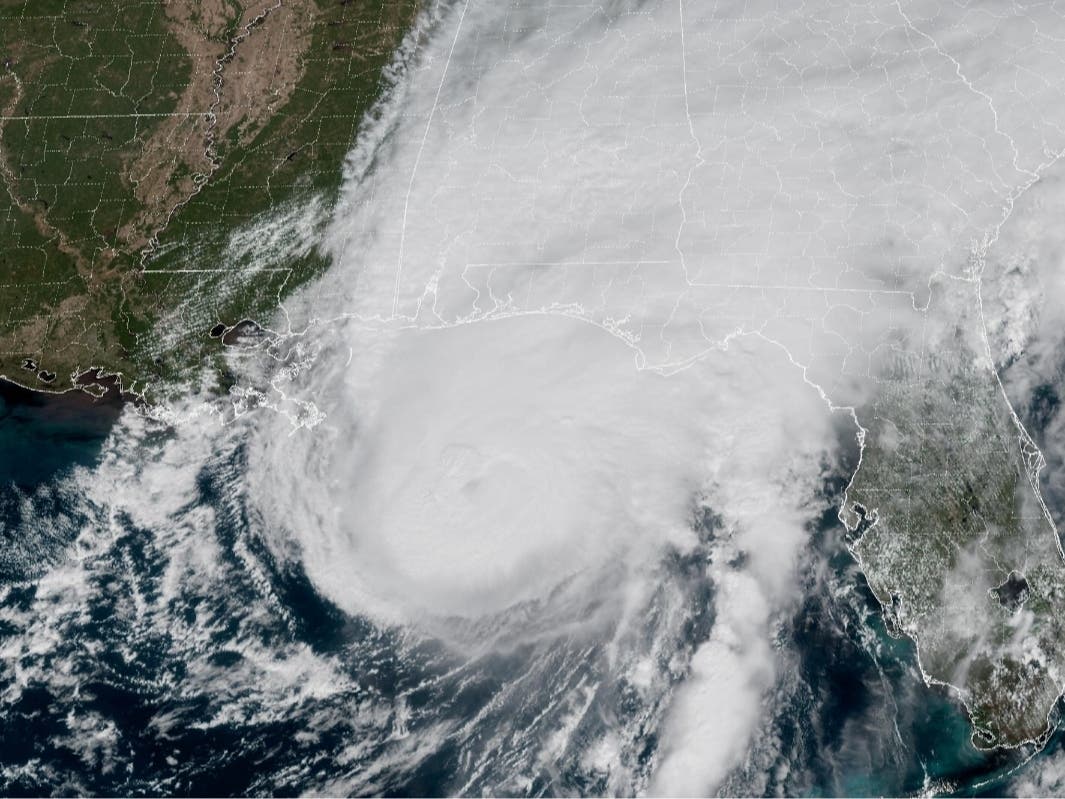
Besides occurring naturally in warm coastal waters, Vibrio vulnificus infections have also been associated with hurricanes, storm surges and coastal flooding.
Get more local news delivered straight to your inbox. Sign up for free Patch newsletters and alerts.