Politics & Government
Should Law Enforcement Be Able to Track a Cell Phone Using GPS Data With No Warrant?
The U.S. Court of Appeals for the Sixth Circuit says yes. Do you agree?


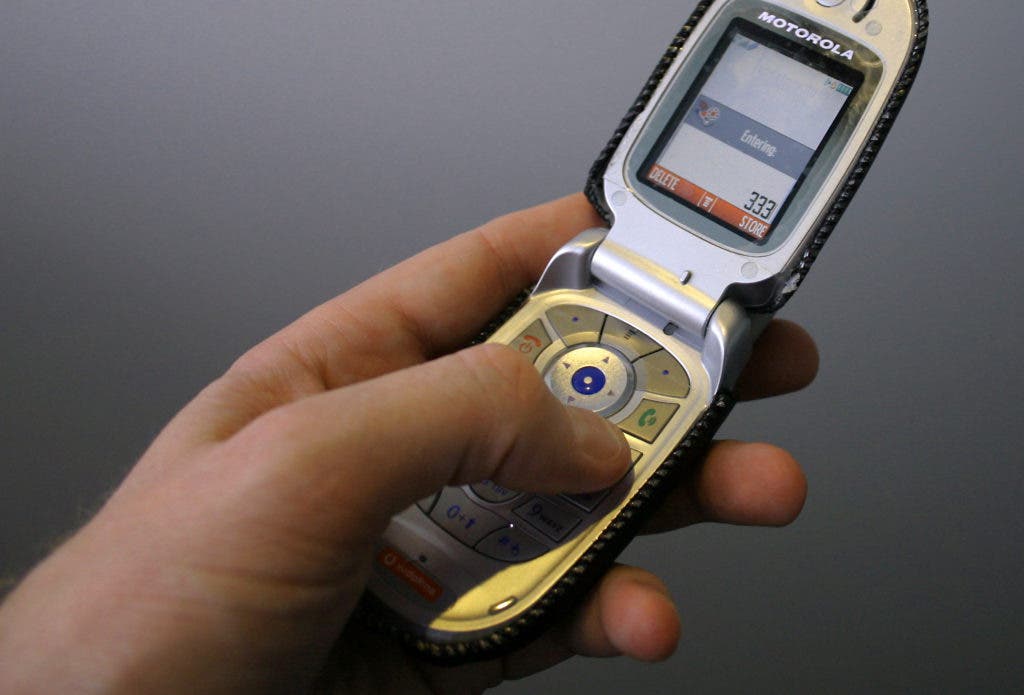
A ruling by the U.S. Court of Appeals for the Sixth Circuit — which consists of Kentucky, Michigan, Ohio and Tennessee — says there's no expectation of privacy when it comes to cell phone GPS data.
The court ruled 2 to 1 on Tuesday that the Drug Enforcement Administration did not violate the Fourth Amendment in using cell phone data to track a suspect's whereabouts.
According to a Wall Street Journal law blog, agents used the GPS data from the suspect's throw-away phone to track him, and Melvin Skinner was arrested in 2006 at a rest stop in Texas in a motorhome filled with more than 1,100 pounds of marijuana. In appealing his conviction, Skinner argued the data emitted from his cell phone couldn’t be used because the DEA failed to obtain a warrant for it, which violated the Fourth Amendment.
Find out what's happening in Barrowfor free with the latest updates from Patch.
Amendment IV: The right of the people to be secure in their persons, houses, papers, and effects, against unreasonable searches and seizures, shall not be violated, and no warrants shall issue, but upon probable cause, supported by oath or affirmation, and particularly describing the place to be searched, and the persons or things to be seized.
Judge John M. Rogers, writing for the majority, wrote:
There is no Fourth Amendment violation because Skinner did not have a reasonable expectation of privacy in the data given off by his voluntarily procured pay-as-you-go cell phone. If a tool used to transport contraband gives off a signal that can be tracked for location, certainly the police can track the signal. The law cannot be that a criminal is entitled to rely on the expected untrackability of his tools. Otherwise, dogs could not be used to track a fugitive if the fugitive did not know that the dog hounds had his scent. A getaway car could not be identified and followed based on the license plate number if the driver reasonably thought he had gotten away unseen. The recent nature of cell phone location technology does not change this. If it did, then technology would help criminals but not the police.
What do you think about the ruling by the U.S. Court of Appeals for the Sixth Circuit? Should law enforcement be required to obtain a warrant to track cell phone GPS data? Tell us in comments.
Find out what's happening in Barrowfor free with the latest updates from Patch.
Get more local news delivered straight to your inbox. Sign up for free Patch newsletters and alerts.