Crime & Safety
What Should I Say or Should I Blow?
In time for New Years Eve, here's a review of DUI testing and the consequences provided by Canton attorney Eric Ballinger.

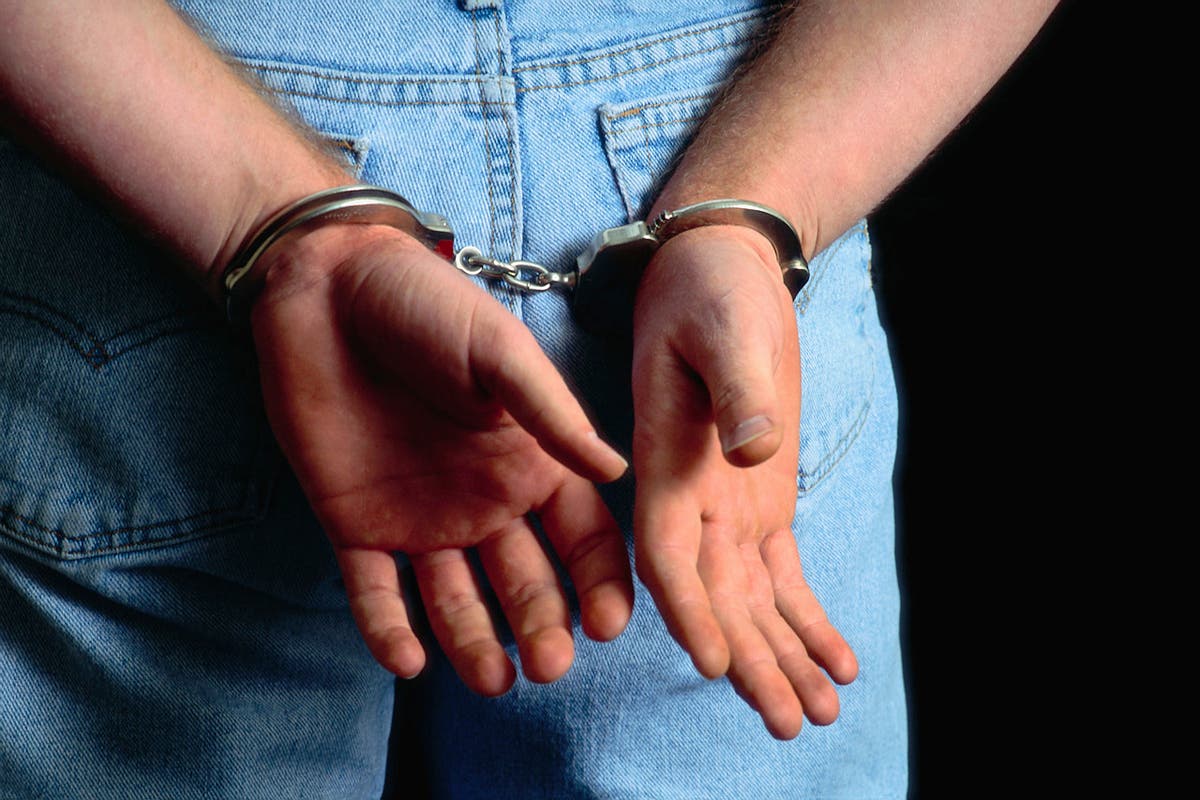

With New Years Eve coming up fast, the question I get asked by friends most is, “If I get stopped for DUI, should I blow”? What they want to know is that if they are pulled over in a traffic stop after they have been drinking, should they take the breath test when the officer asks.
The answer is clouded in urban legend and everyone has formed an opinion. The truth is that even lawyers have differing legal advice. My advice to friends usually starts with the typical noncommittal advice, "it depends." The circumstances are different in each case and each person should make an informed decision.
Under Georgia’s Implied Consent laws when an officer suspects a driver of a moving vehicle of driving under the influence of alcohol or drugs and has enough evidence to to place them under arrest, the officer may ask the driver for a chemical test of their blood, breath or urine. In essence, by driving a car on the streets of this state, it is implied that you will consent to take the test if there is a reason to request one. The officer is required to advise the driver of their rights under the implied consent laws. The instructions are very specific and are read to the driver from a card the officer carries.
Find out what's happening in Canton-Sixesfor free with the latest updates from Patch.
This is where the options come in and there is not a lot of time to make a decision. There is no opportunity to request a lawyer on the side of the road. Each decision comes with its own set of consequences that will impact the drivers liberty and divers license. The officer’s desired response to the request is that the driver will submit to the test requested, normally a breath test. While the results of the test may incriminate the driver, once the driver takes the test the officer requests, the driver may request their own test of their own choosing by qualified personnel of their own choosing and at their own expense. This gives the driver the opportunity to verify the results of the test that law enforcement selected.
The alternative is to refuse the test which is a right of the driver. The cost benefit analysis begins here. By refusing the test, the driver deprives the police and prosecutors of the empirical test result. It certainly creates some favorable leverage in the case against the driver. However, this advantage comes at a cost. The officer can give the driver that refuses the test notice of their drivers license suspension. That suspension takes offense thirty days after the arrest. Additionally, refusing the test may not be the end of the investigation.
Find out what's happening in Canton-Sixesfor free with the latest updates from Patch.
While the driver has the right to refuse the test requested by the officer, the officer with probable cause to make an arrest for DUI most likely to get a search warrant to take blood a blood sample from the driver. The officer calls and wakes a judge up in the middle of the night and requests a search warrant. This takes the case outside the realm of the Implied Consent laws. The police have the test results and they still provide the notice of the drivers license suspension.
Whatever choice a driver makes, they need to get in touch with a good lawyer as soon as possible. Of course the best advice is to not drink and drive. Whether you call a cab, Uber, Lyft or even get a hotel room, rest assured that it is cheaper than getting a DUI.