Neighbor News
40th Anniversary Edition of National Urban League's State of Black America Ranks Atlanta 15 in Income Equality
The Urban League of Greater Atlanta endorses "Main Street Marshall Plan" to address social and economic inequities and its youth development

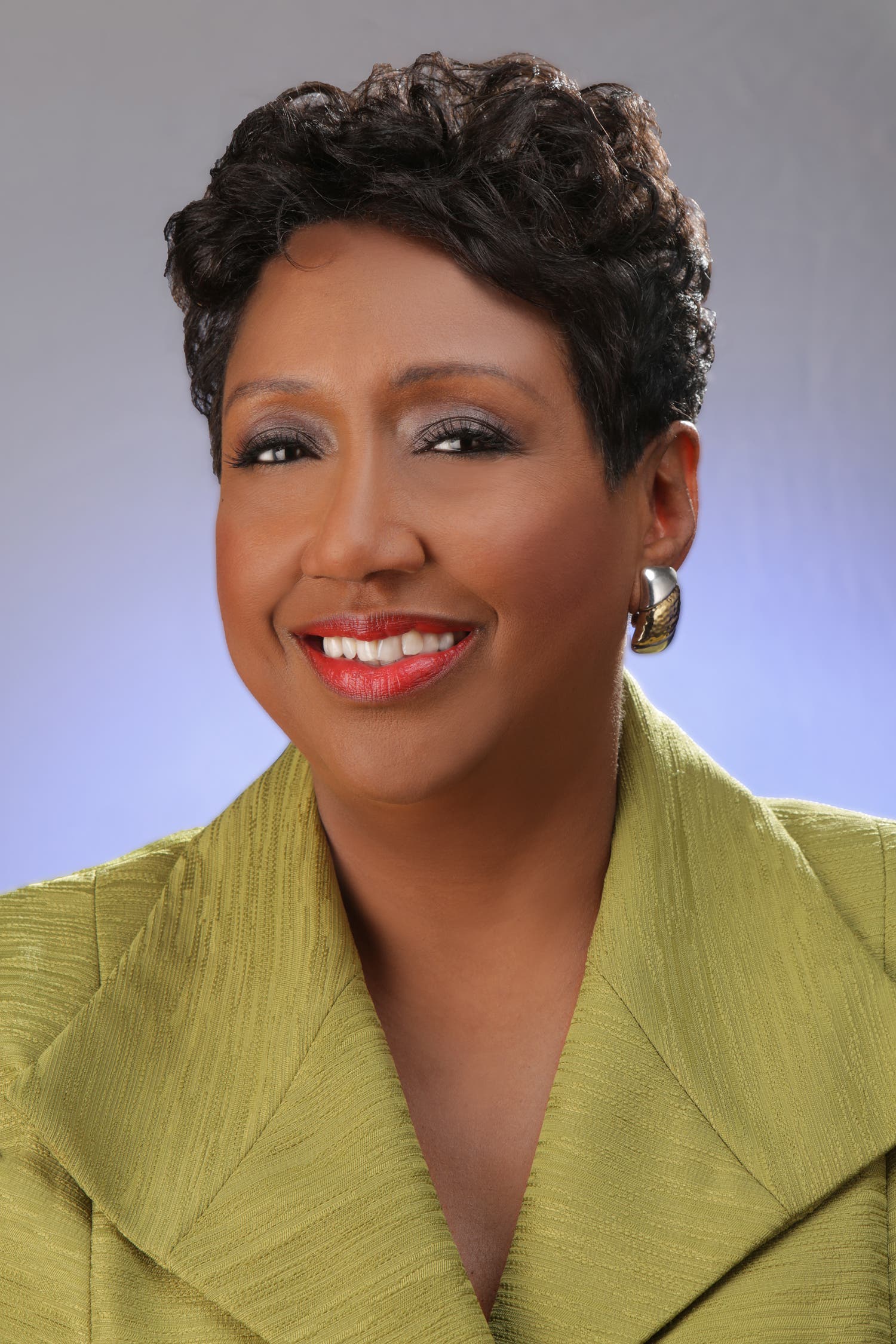
In the 2016 State of Black America® report just issued by the National Urban League, Atlanta ranked 36th in unemployment equality and 15th in income equality.
“While metro Atlanta improved 2 percentage points over last year’s standing in income equality we remain unchanged in our ranking at 36 percent for unemployment equality with our white counterparts,” said Nancy Flake Johnson, president and CEO of the Urban League of Greater Atlanta.
“There remain far too many black and Hispanic households with deep income disparities and income at and below poverty in our region. Many of our country’s urban areas are experiencing the same limited or diminished levels of progress,” Johnson said.
Find out what's happening in Cascadefor free with the latest updates from Patch.
“While I am confident that the workforce, youth development and reentry work the Urban League of Greater Atlanta has contributed to this marginally improved ranking, it is clear that far too many youth, adults and families in the region remain locked out of the enhanced educational attainment, occupational skills training and living and sustainable wage employment they need. The Urban League is committed to stay the course to accelerate progress.
“I am more resolved than ever to partner with our stakeholders to extend our reach to thousands more men, women and youth who are seeking opportunities to enhance their skills and gain access to economic opportunity.”
Find out what's happening in Cascadefor free with the latest updates from Patch.
The National Urban League released the 40th edition of its signature report in a press conference yesterday in the nation’s capital, and outlined a comprehensive national remedy for the persistent inequities the report details. NUL President Marc Morial featured a CNN video showcasing the youth development and reentry work of the Urban League of Greater Atlanta as an example of the impact of the the Urban League movement. The ULGA video can be seen at http://www.cnn.com/videos/living/2016/03/23/prison-to-prosperity-valencia-pkg.cnn.
“In the very first State of Black America report in 1976, then-executive director Vernon Jordan wrote, ‘The urgency of the problems that grip the American people allow no time for delay or for half-way measures,’” Morial said at the press conference. “Sadly, the problems he described 40 years ago continue to grip the American people, and it’s long past time to meet them with full-measured urgency.”
Morial unveiled what he is calling the Main Street Marshall Plan: From Poverty to Shared Prosperity during a live broadcast from the Newseum’s Knight Studio in Washington, D.C. The Plan is a sweeping and decisive solution to the nation’s persistent social and economic disparities. It calls for a $1 trillion investment over five years and includes:
· Increased federal and state funding to local school districts to help eliminate resource equity gaps.
· Universal early childhood education.
· A federal living wage indexed to inflation.
· An urban infrastructure fund to fund schools, community centers, libraries, water systems and urban transportation.
· A new Main Street small- and micro-business financing plan with emphasis on businesses owned by women and people of color.
· Affordable high speed internet and technology for all.
· Doubling the Pell Grant Program to make college more accessible and affordable.
· Expansion of summer youth employment programs.
· Establishment of Green Empowerment Zones in neighborhoods with high unemployment.
· Targeted workforce training and reentry initiatives.
· Expansion of financial literacy and homebuyer education and counseling.
· A combination of tax credits, training programs and expansion of the social safety net.
“I am thrilled to see a focus on early education, youth, workforce training and small business development in the Main Street Marshall Plan,” Johnson said. “If we are truly committed to the social and economic uplift of the black community, we must make significant investments in early childhood development, fix our broken education system, and increase support for programs that keep black and brown children, adults and families engaged and on track for a thriving life in middle-class America.
“Investing in our people is an economic model from which we will all benefit. The Urban League will aggressively continue our work to expand our reach and impact in these areas and continue our partnerships with stakeholders that join us in this movement.”
The full report can be found at www.stateofblackamerica.org.
##