Health & Fitness
Researchers To Study Use Of Cryoablation For Diabetes Patients
The pilot study at Emory Johns Creek Hospital will evaluate using targeted cold zones among patients can improve blood glucose levels.


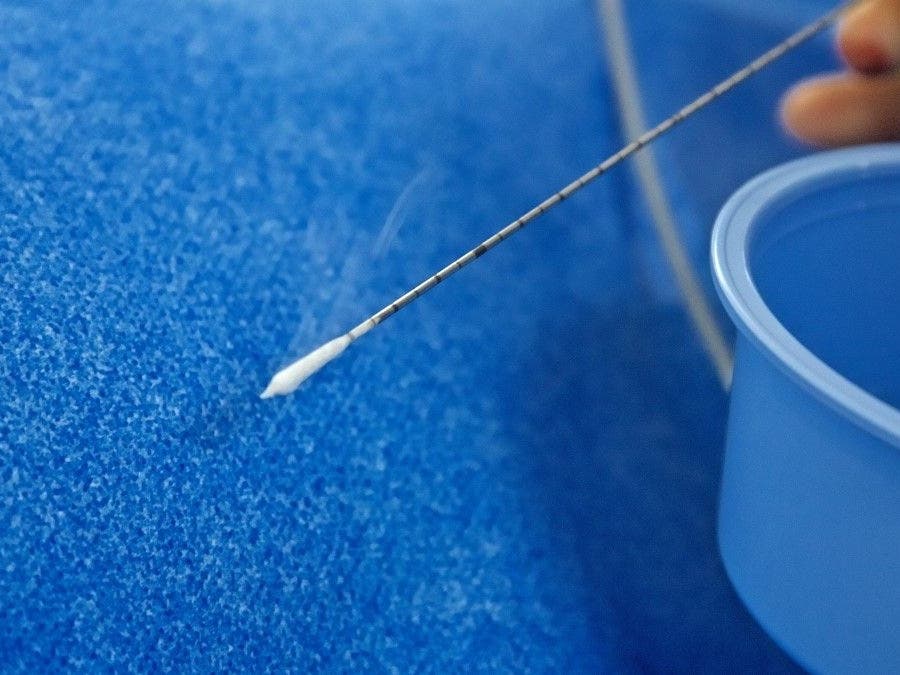
JOHNS CREEK, GA – A one-year pilot study being conducted at Emory Johns Creek Hospital is investigating whether the use of cryoablation may be effective in the treatment of patients suffering from Type 2 diabetes.
As part of the study involves the create of a "cold zone" being directed to the splanchnic nerves, which are located on either side of the spine. The hospital recently announced that five patients between the ages of 22 and 65 suffering from Type 2 Diabetes will be examined over using the technique.
According to the Centers For Disease Control and Prevention, 34.2 million people in the United States are living with diabetes and 90-95 percent of those people suffer from Type 2 diabetes, which the most common form of the disease.
Find out what's happening in Johns Creekfor free with the latest updates from Patch.
Researchers use a needle to create a 1-2 centimeter cold zone around the splanchnic nerves after using a cat scan to determine where the cold zone needs to be created, according to J. David Prologo, the director of interventional radiology services at Johns Creek Hospital.
Prologo said there is evidence both in animals and humans that demonstrates that an overactive nervous system can contribute to elevated blood sugar, which is the primary issue that diabetics face. Most current treatments aim to reduce blood sugars by improving removal from the blood, which insulin is used for.
Find out what's happening in Johns Creekfor free with the latest updates from Patch.
However, the nervous system plays a part in glucose being released to the blood from the liver. As part of the study, researchers are attempting to improve blood glucose levels, Prologo said. The nerves that researchers are targeting in the study are called autonomic nerves, which are the splanchnic nerve to the gut.
A registered dietician and exercise physiologist will provide standardized diet and exercise counseling to all subjects as part of the study.
Participation in the study is voluntary and patients will receive $25 for a screening visit, $100 on the day of the procedure and $50 for each follow up visit. Researchers will evaluate patients using a baseline and on day 7, 30, 180 and 360 post-procedure.
The study is funded by the Georgia Research Alliance and The Emory Synergy Grant Mechanism. For more information about this clinical trial, contact the study coordinator, Maria Rivas at (404) 712-7962, or by email at mrivas2@emory.edu.
Get more local news delivered straight to your inbox. Sign up for free Patch newsletters and alerts.