Community Corner
It's All About the Dirt
Many people overlook one of the most basic parts of gardening—soil. Here are some soil tips for beginner gardeners.

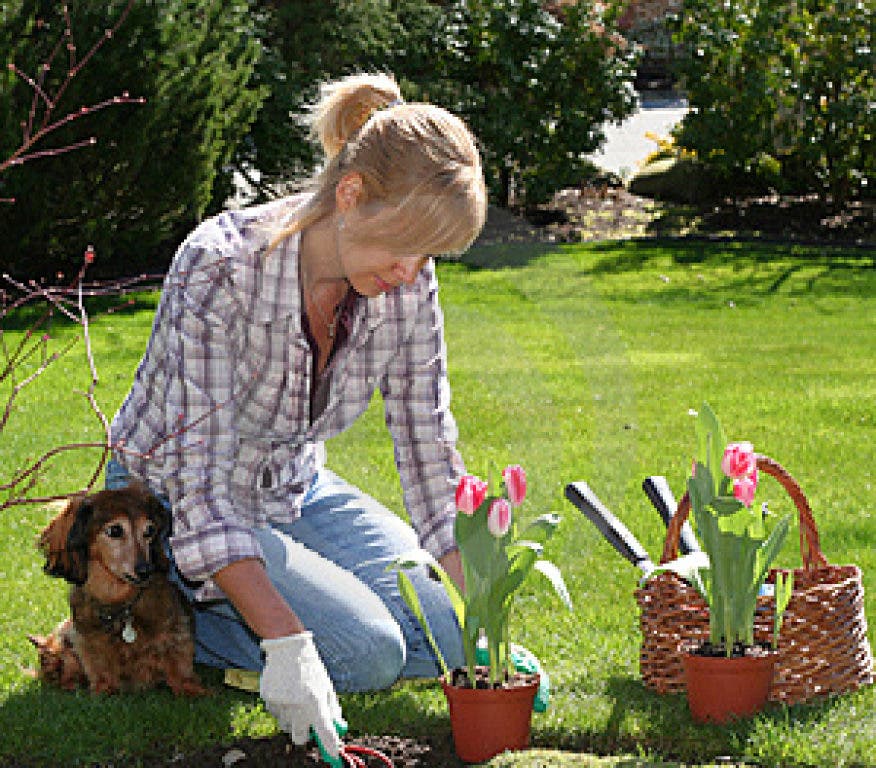
Your first stop on the long list of things you have to do when establishing a new garden is soil. The soil in Cobb County is known for being less than ideal for budding gardens; however, as evident by all the flourishing greenery around town, there's ways around bad soil.
1. Check your soil. Make sure that your soil isn't too dense. There is a lot of clay in this region, which has a poor porosity for new plants. Look for soil that has a good ratio between the grains of dirt and the air in the soil. Think of it this way: the roots of new plants are typically thin and delicate. They can't work their way through dense mediums. Furthermore, if soil is too dense, water won't be able to find its way to the roots.
2. Choose native plants. You're more likely to have a successful garden if you choose plants adapted to the conditions in your yard. When plants prefer your soil and climate, they are more likely to flourish.
Find out what's happening in Mariettafor free with the latest updates from Patch.
3. Get it tested. The Cobb County Extension Office will test your soil and provide information on its nutrient levels, pH level and organic content. If an element or two comes in on the low side, you'll want to add fertilizer to provide the nutrients your soil is lacking.
The pH level refers to the soil's acidity. A level below 7 is acidic; 6 to 7 is slightly acidic and the most fertile pH range; above 7 is alkaline or basic. Soil with a pH level above 8 may be infertile.
Find out what's happening in Mariettafor free with the latest updates from Patch.
Once you have your soil tested, you can purchase necessary nutrients and fertilizer. Depending on what you are growing, you may require a higher concentration of nitrogen, potassium or perhaps phosphate in your soil.
4. Lighten it up. If you have clay soil, lighten it by adding extra compost and coarse sand.
By mixing compost materials in with native soil, you not only work to correct your soil's density but also add nutrients your soil may be missing.
Stay away from putting fat oil, greases, meat and dairy in compost. Vegetables, coffee grinds, grass clippings, leaf debris and paper, however, can aid your plants. Paper, after all, is a nitrogen source.
You can also place earth worms in your compost, which will help with the decomposition of the materials. Once added to your garden, worms help aerate soil.
Get more local news delivered straight to your inbox. Sign up for free Patch newsletters and alerts.