Politics & Government
Council Approves Adding Solar Panels To Mimosa Hall
The project, which would mean the house would become the oldest "net zero" home in the country, allows Roswell to reduce its annual costs.


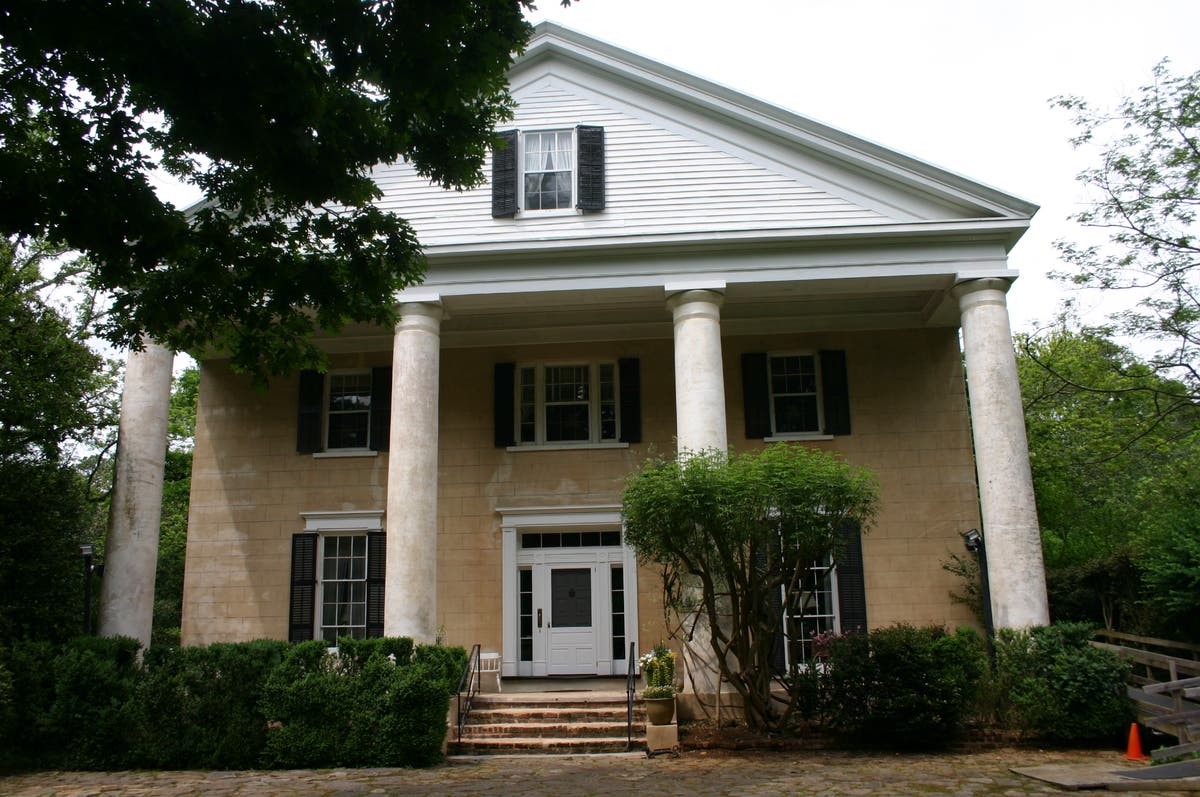
ROSWELL, GA — The Roswell City Council has taken a step that would allow Mimosa Hall to become the country's oldest "net zero" energy building. Council members voted on Monday, Feb. 26 to install solar panels on the replacement roof on the house, which it purchased in 2016 in a bid to save from demolition due to redevelopment threats.
The city notes the solar panels would be integrated into the new roof and would connect that power source to batteries. Those batteries would store excess solar energy for uses during night time hours or on rainy days. This alternative system, the city notes, would allow the historic home to become a "net zero" building, and help minimize Roswell's annual costs in maintaining the property.
City staff estimates this retrofitting project could cost around $135,000. One other home in the country, Mission Zero House in Ann Arbor, Michigan, currently holds the title as the oldest "net zero" structure. That house was constructed in 1901.
Find out what's happening in Roswellfor free with the latest updates from Patch.
The nine-acre antebellum estate at 127 Bulloch Avenue has 4 bedrooms, 4 bathrooms and spans 6,308 square feet. The home was originally built in 1841 for John Dunwoody, a shareholder in the Roswell Manufacturing Company. The same year, a fire caused the wooden walls to burn down, but the house was rebuilt with brick walls and completed in 1846.
The home has undergone several owners throughout its tenure in Roswell, but has retained its historical character and charm making it a valuable addition to the city's award-winning Recreation, Parks, Historic and Cultural Affairs Department.
Find out what's happening in Roswellfor free with the latest updates from Patch.
The Georgia Trust for Historic Preservation placed Mimosa Hall on its 2017 Places in Peril list, which is designed to raise awareness about Georgia's significant historic, archaeological and cultural resources, including buildings, structures, districts, archaeological sites and cultural landscapes that are "threatened by demolition, neglect, lack of maintenance, inappropriate development or insensitive public policy," the organization notes. In August 2017, the home was sold to the city of Roswell, along with most of its historic furniture.
Image via Georgia Trust For Historic Preservation
Get more local news delivered straight to your inbox. Sign up for free Patch newsletters and alerts.