Neighbor News
The Lessons of Human Trafficking Prevention Month
Human Trafficking Prevention Month Kicks Off Year-Round Awareness Efforts
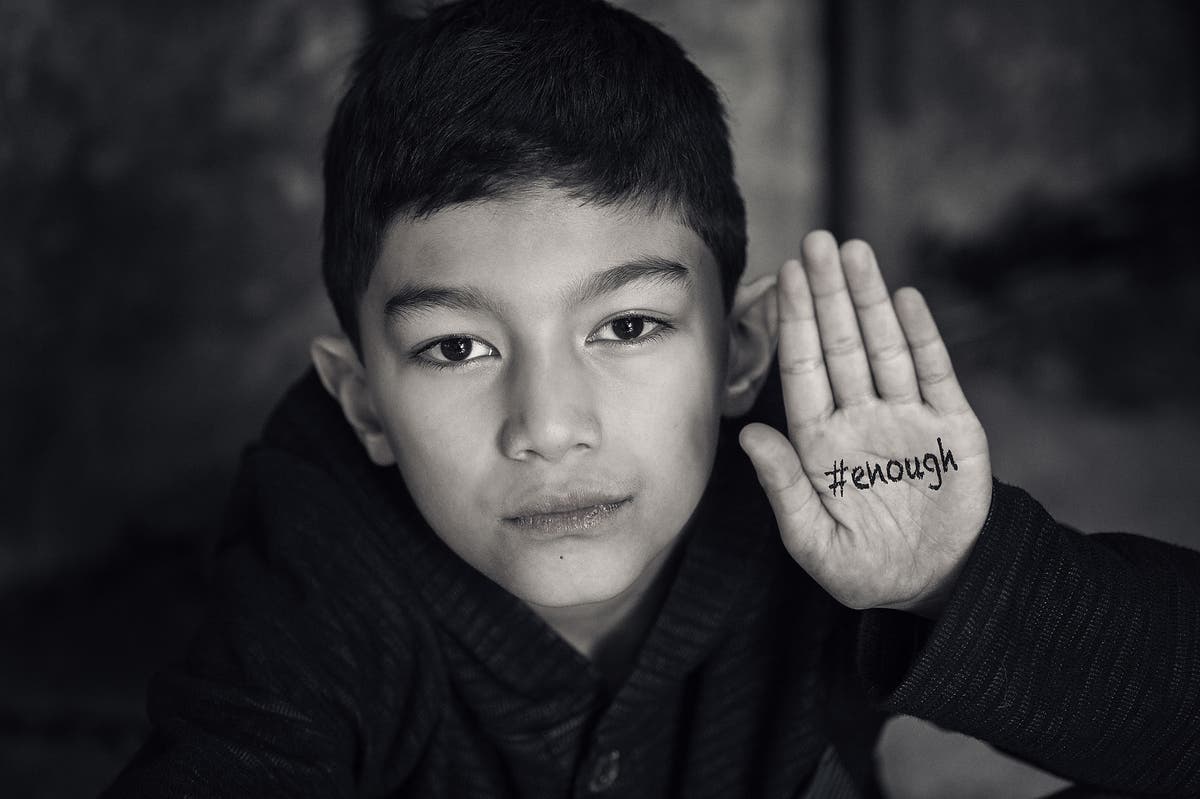


As human trafficking prevention month winds down, the need for awareness about the problem continues.
Despite the ongoing efforts of local, state, and national organizations, the concept of human trafficking remains a grey area for many. So if you’re still not exactly sure what “human trafficking” means, you’re not alone.
What is Human Trafficking?
The Department of Homeland Security defines human trafficking as modern-day slavery involving the use of force, fraud, or coercion to obtain some type of labor or commercial sex act. According to the organization Polaris, traffickers use violence, threats, deception, debt bondage, and other manipulative tactics to force people to engage in commercial sex or to provide labor or services against their will.
Find out what's happening in Roswellfor free with the latest updates from Patch.
Who is at Risk?
According to the Department of State's statistics from 2000, there are approximately 244,000 American children and youth that are at risk for sex trafficking each year. But contrary to what you might think, these children are rarely snatched by strangers off of playgrounds or lured to the car with candy. No, the problem usually begins with online interaction.
According to an article for VentureBeat, traffickers worldwide are increasingly using the latest online platforms to contact vulnerable teenagers in an effort to sell them into sex work. Once limited to luring victims in the street, traffickers can now message thousands of people through Instagram, Facebook, Kik, Tagged and Twitter, with WhatsApp and Snapchat in their arsenal as well. These platforms have created new challenges for law enforcement agencies.
Find out what's happening in Roswellfor free with the latest updates from Patch.
“It takes 24 hours to traffic a kid from the time they meet them online. 24 hours,” Cathie Bledsoe, the Indiana State Police Internet Crimes Against Children Task Force Youth Educator said in an article for WANE.com. Cathie Bledsoe, ICAC Youth Educator, went on to advise, “Always be in communication with your child. Know what they’re doing. Ask them. Talk to them. Parent.”
How to Help?
Educate yourself--and others. There are tons of resources available, but here are a few good starting places:
DHS.gov with video resources available here.
SharedHope.org
Human Trafficking Search
Polaris Project
Not for Sale Campaign
End Human Trafficking
Part of your education should include learning how to identify a victim of Human Trafficking. DHS.gov has a comprehensive list of indicators.
If you think you may have identified someone, you can report tips here or call 1-866-DHS-2-ICE (1-866-347-2423). Know that by submitting tips, law enforcement will be able to investigate the situation to prove validity. These tips help save lives and connect victims with the support they need, i.e. medical and mental health care, shelter, job training, and legal assistance that restore their freedom and dignity. Do not attempt to confront a suspected trafficker directly or alert a victim to any suspicions.
To get help from the National Human Trafficking Hotline (NHTH), call 1-888-373-7888 or text HELP or INFO to BeFree (233733).
This is an uncomfortable topic for all of us, but we can’t just keep our heads down and remain oblivious to its existence. This piece was prepared with an amazing group of child actors to help raise human trafficking awareness in the community.
Human Trafficking Video Link
Directors: Abelita Burns PR Firm
Photography: