Politics & Government
Hawaiian Seafood: Petition Seeks Probe Into Conditions Of Foreign Workers
"Government at the state and federal level is failing to ensure even the most basic human rights for these workers."

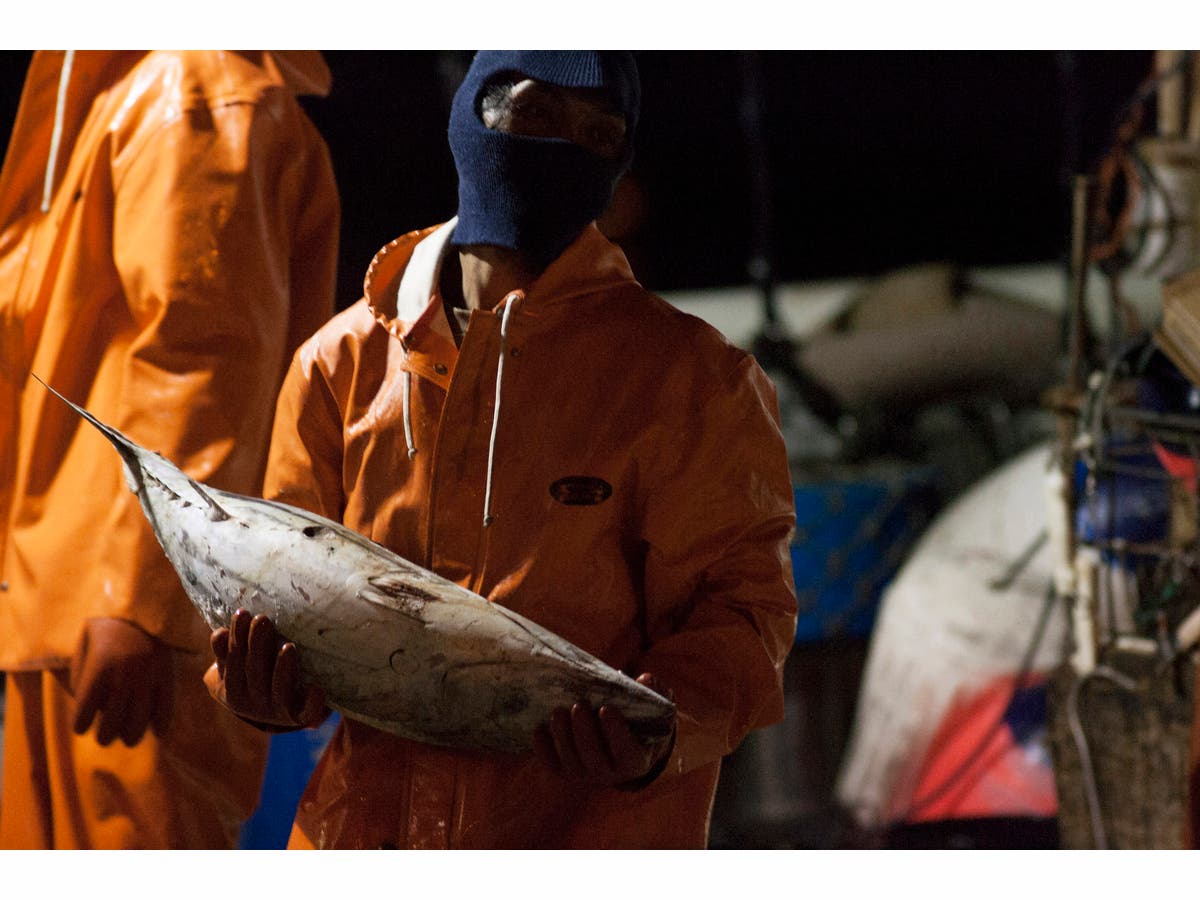


HONOLULU, HI — A human-rights complaint spurned by an Associated Press investigation into the seafood industry seeks to hasten a probe into conditions among foreign workers in Hawaii's commercial fishing industry.
Turtle Island Restoration Network told The AP on Wednesday they filed a complaint last week with the Inter-American Human Rights Commission, asking the panel to determine the responsibility of the U.S. for human rights violations against foreign workers in Hawaii's longline fishing fleet.
The Associated Press reported that hundreds of men are confined to Hawaii boats that operate because of a federal loophole that exempts foreign fishermen from most basic labor protections. Many come from impoverished Southeast Asian and Pacific nations to take the jobs, which can pay as little as 70 cents an hour. (For more local news, click here to sign up for real-time news alerts. If you have an iPhone, click here to get the free Patch iPhone app.)
Find out what's happening in Honolulufor free with the latest updates from Patch.
The fleet catches $110 million worth of luxury seafood annually.
The petition, which the Pacific Alliance to Stop Slavery and Ocean Defenders Alliance joined, was filed on July 13 with the agency that can make non-binding recommendations to government officials and policymakers.
Find out what's happening in Honolulufor free with the latest updates from Patch.
The Inter-American Human Rights Commission is an autonomous body of the Organization of American States, which works to protect human rights in the hemisphere. The U.S. is a member of that organization.
"Hawaii's longline fishery operates in a void of regulation. Government at the state and federal level is failing to ensure even the most basic human rights for these workers," said Cassie Burdyshaw, advocacy and policy director for the Turtle Island group.
Since initial reports, little has changed in the industry that provides ahi tuna and other fish to American and overseas consumers at a premium price.
A Hawaii lawmaker introduced measures to create more oversight but they failed. Both proposals aimed to find ways to get more information about what's happening on the boats and to catch potential problems.
"The lobby was out full force to kill this bill, just as I expected," said state Rep. Kaniela Ing, who pushed the measures. "It's difficult because there's very few advocacy organizations for these sorts of migrant workers, so their voice is not as loud as the moneyed lobby behind the longline guys."
In written testimony submitted during legislative hearings, Jim Cook and Sean Martin of the Hawaii Longline Association argued that foreign fishermen "possess legal standing and have legal recourse."
However, U.S. Customs and Border Protection agents now stamp "Refused" on every fisherman's landing permit. That means they are technically not allowed to set foot on U.S. soil, customs officials said. The state requires fishermen to be legally admitted to the U.S. to get fishing licenses.
The men are not permitted to fly into the country because they do not have visas and must instead arrive by boat.
Attempts to contact Cook and Martin were unsuccessful Wednesday.
By Caleb Jones, Associated Press
Photos credit:Caleb Jones/Associated Press