Health & Fitness
Mosquitos Test Positive for West Nile Virus in Lake in the Hills
Health officials remind residents to safeguard themselves by using insect repellents when going outdoors.


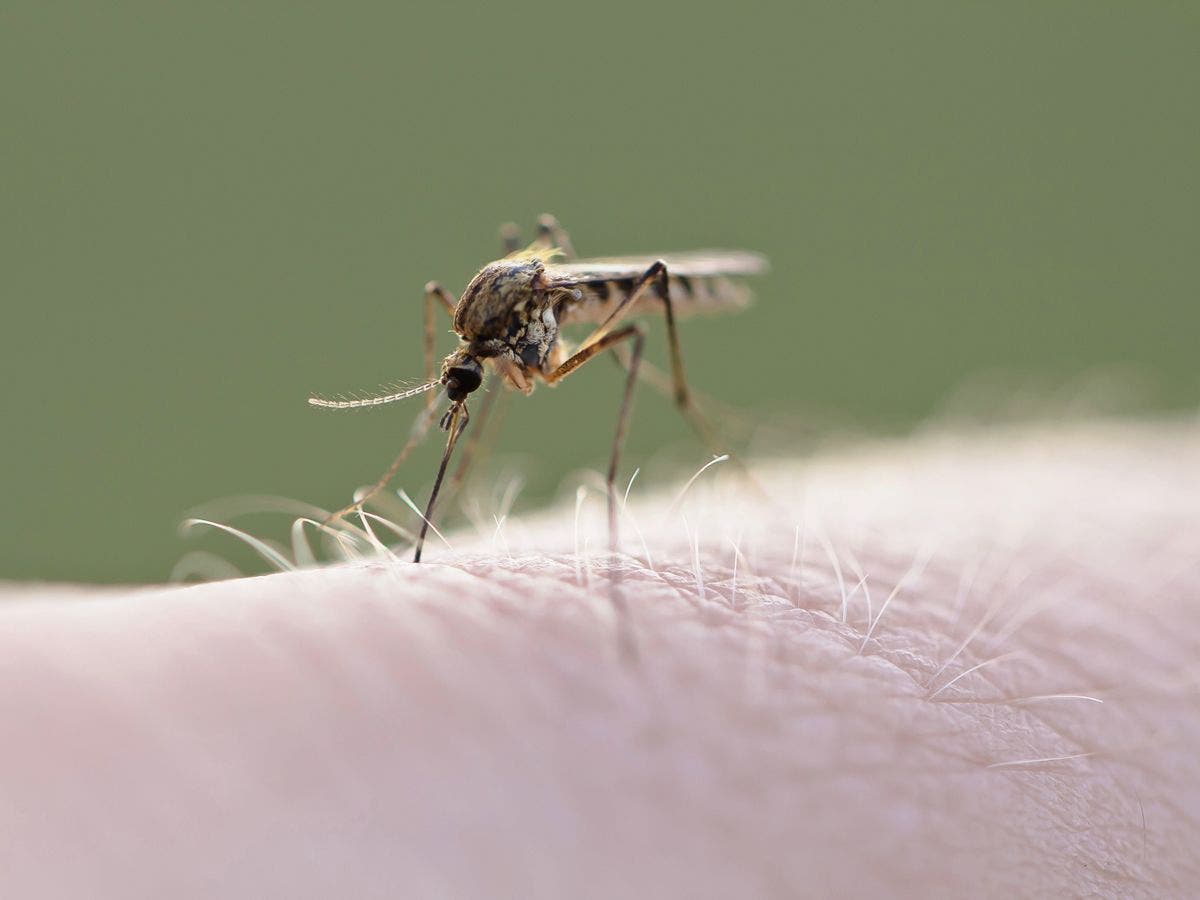
The McHenry County Department of Health reports that a mosquito batch collected on August 11 from a mosquito trap in Lake in the Hills has tested positive for West Nile virus, according to a news release.
This is the first positive mosquito sample for WNV in McHenry County in 2016. MCDH has tested 56 mosquito batches as of August 17; all other batches tested negative for WNV.
The Illinois Department of Public Health (IDPH) reported 77 human cases in 2015, including 9 fatalities, according to the news release
Find out what's happening in Algonquin-Lake In The Hillsfor free with the latest updates from Patch.
Two human cases of WNV were reported in McHenry County in 2015. Eleven birds collected in McHenry County have been submitted and tested for West Nile Virus. A crow collected from McHenry on August 9, 2016 has tested positive.
All other bird samples have been negative. MCDH will continue to collect and test mosquito batches throughout the remainder of the season (mid-October) and will accept a limited number of dead birds for testing, according to the news release.
Find out what's happening in Algonquin-Lake In The Hillsfor free with the latest updates from Patch.
WNV is transmitted to humans through the bite of a Culex species mosquito, which is commonly found in Illinois. Residents are encouraged to protect themselves from all mosquito borne illnesses by using insect repellents when going out of doors and wearing long sleeved shirts and long pants for extra protection.
Other tips include emptying standing water from containers around the house and making sure doors and windows have tight-fitting screens. The risk of WNV remains until the first hard frost.
Illness from WNV is usually mild and includes fever, headache and body aches but serious illnesses, such as encephalitis and meningitis and death, are possible. Persons 50 and older have the highest risk of severe disease. For more information on WNV, visit www.mcdh.info or call 815-334-4585.
Photo via Shutterstock
Get more local news delivered straight to your inbox. Sign up for free Patch newsletters and alerts.