Politics & Government
No Charges For Former Algonquin Township Highway Commissioner
The state's attorney's office did recommend the careful consideration to abolish the road district or township through consolidation.


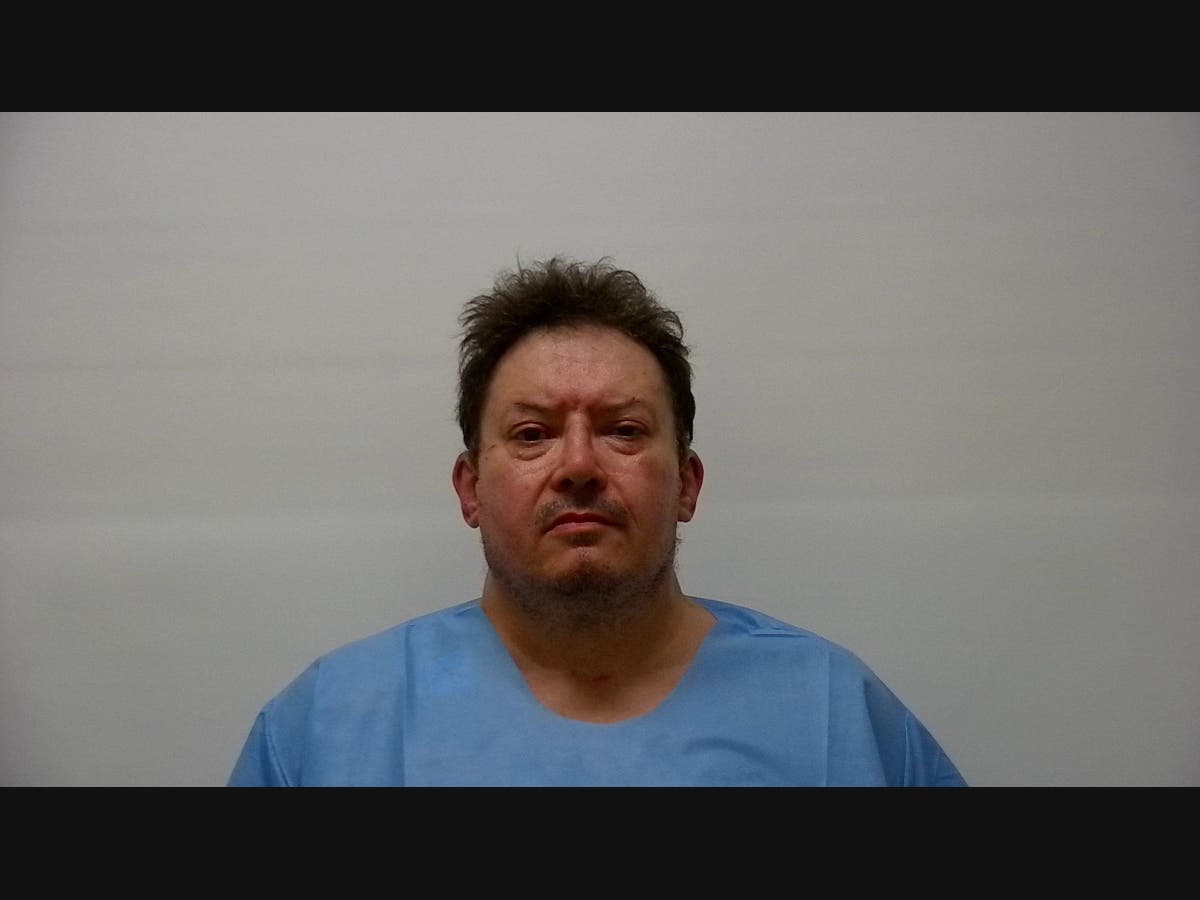
After an "exhaustive" seven-month investigation, the McHenry County State's Attorney's Office on Thursday announced it would not be charging former Algonquin Township Commissioner Bob Miller with any criminal wrongdoing. The state's attorney's office was requested to investigate misconduct allegations after the McHenry County Sheriff's Office and Illinois State Police declined taking the case on. Some of the allegations investigated included whether Miller spent road district money for private purposes, illegally bought two plane tickets to New Orleans for people not employed by the road district and supplied the Illinois Railway Museum with road district salt.
State's Attorney Patrick Kenneally detailed his office's findings in a 52-page document released Thursday. They concluded there was "insufficient evidence to establish beyond a reasonable doubt that Miller committed a criminal offense," Kenneally wrote in the document.
The state's attorney's office also requested that the Illinois Attorney General’s Office, acting as a special prosecutor, review their investigation and determine whether to charge under state law, Kenneally wrote. After a three month review, the Illinois Attorney General's Office also declined to charge Miller.
Find out what's happening in Algonquin-Lake In The Hillsfor free with the latest updates from Patch.
But the investigation into Miller is not over, according to the state's attorney's office.
"New allegations, however, seem to be surfacing regularly. Our investigation into these new matters will continue," Kenneally wrote.
Find out what's happening in Algonquin-Lake In The Hillsfor free with the latest updates from Patch.
The state's attorney's office did share their thoughts and recommendations for the road district and township. Kenneally wrote in his recommendations that more checks and balances need to be put in place in regards to spending for township employees and that measures should be taken to "carefully consider options to abolish the Road District and/or Township through consolidation."
Below are Kenneally's remarks shared in his conclusion:
Though not appropriately redressed through criminal charges, this report has plainly set forth spending and decision-making that do more than merely create an appearance of incompetence, guile, and impropriety. We believe, however, that these failures go beyond any individual and point to a larger, systemic breakdown.
First, the statutory foundation upon which township government is built is deeply flawed. During the course of our investigation, we extensively reviewed the Township and Highway Codes and found them to be entirely unclear, self- contradictory, and interminable. We are skeptical that anyone involved, whether a highway commissioner, trustees, or electors, can reasonably acquire a straightforward understanding of their duties and responsibilities under these disjointed and sprawling statutes.
We are specifically dismayed that the Highway Code bestows such unfettered discretion on the highway commissioner over road district operations and the acutely sensitive area of spending. As one employee commented during an interview, “the only difference between the highway commissioner and God is that the highway commissioner gets a truck.”
Second, we have concluded that Algonquin Township and its elected officials failed to impose and enforce the most basic of internal controls that could have prevented many of the excesses described herein. Lutzow’s shocking description of the
Township’s spending policy, “everyone just did [what] they thought was correct” amply sums up its deficiencies.
Third, we believe trustees should have approached their responsibility as auditors more diligently. In township government, trustees are one of the few limits on road district spending. They have authority, should they choose to exercise it, “to examine and audit the township and road district accounts before any bills are paid...”, “examine the accounts of the...commissioner of highways....for all moneys received and distributed by them...”, and “examine and audit...all charges and claims against their road district...and...the compensation of all township officers.” If trustees were not satisfied with the amount of access to or time afforded to review these bills and ensure the propriety of spending, they should have demanded the
necessary process changes.
Lastly, we believe that the off-year Township elections that feature notoriously poor voter turnout do not adequately allow the disinfectant and quality assurance properties of the democratic process to operate.
Get more local news delivered straight to your inbox. Sign up for free Patch newsletters and alerts.