Crime & Safety
Rescue Diver Delivers Closure, Comfort To Family Of Drowned Boy
Most child drownings happen in open water — lakes, rivers, ponds and oceans — and boys account for 80 percent of those fatalities.


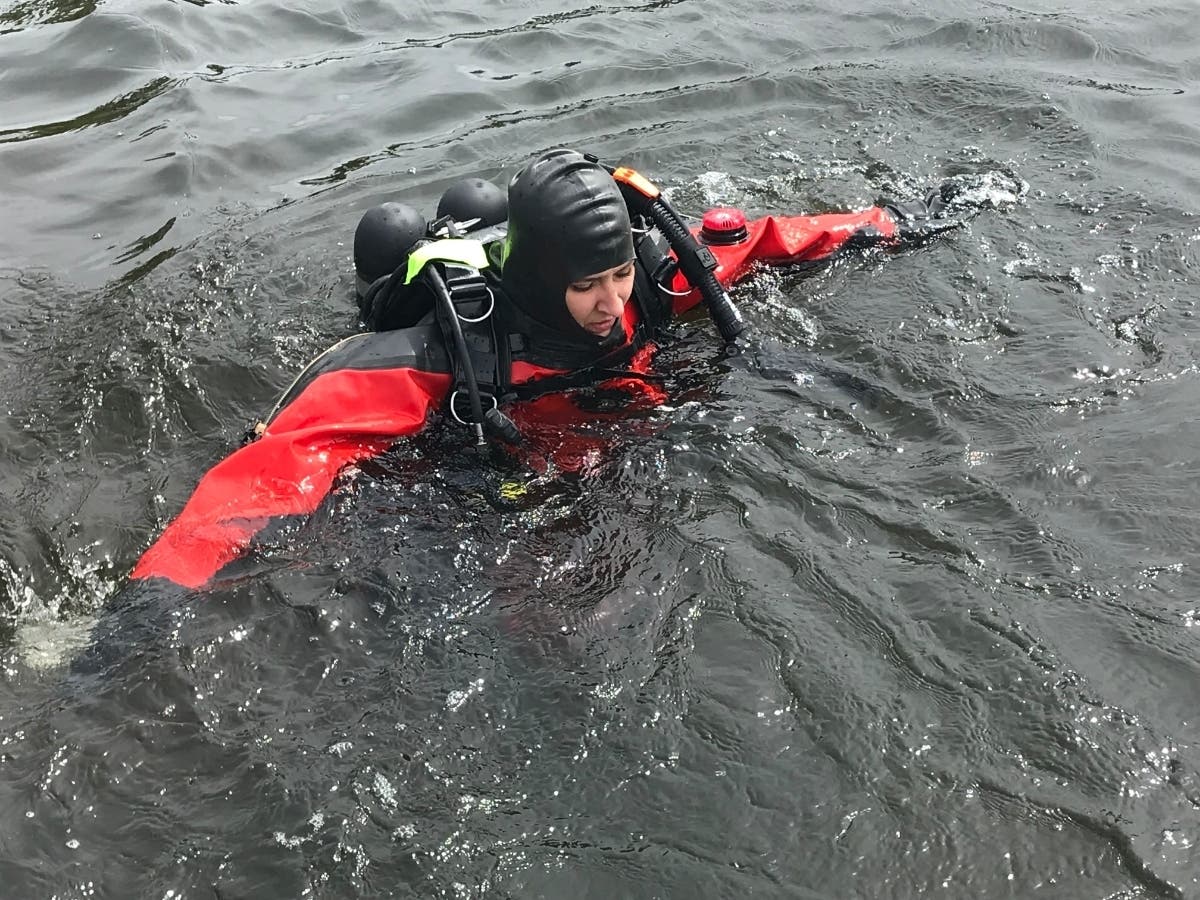
WAUCONDA, Ill. — Firefighter Hannah Rocco got an urgent text message from a fellow rescue diver on a chilly Saturday morning in late April. The night before, two boys on a paddle boat wound up in the water when a storm whipped up big waves on Bangs Lake. Only one boy survived.
The rescue effort to save 9-year-old Geraldo Rodriquez became a recovery mission.
"I’ll be there," Rocco texted back.
Find out what's happening in Chicagofor free with the latest updates from Patch.
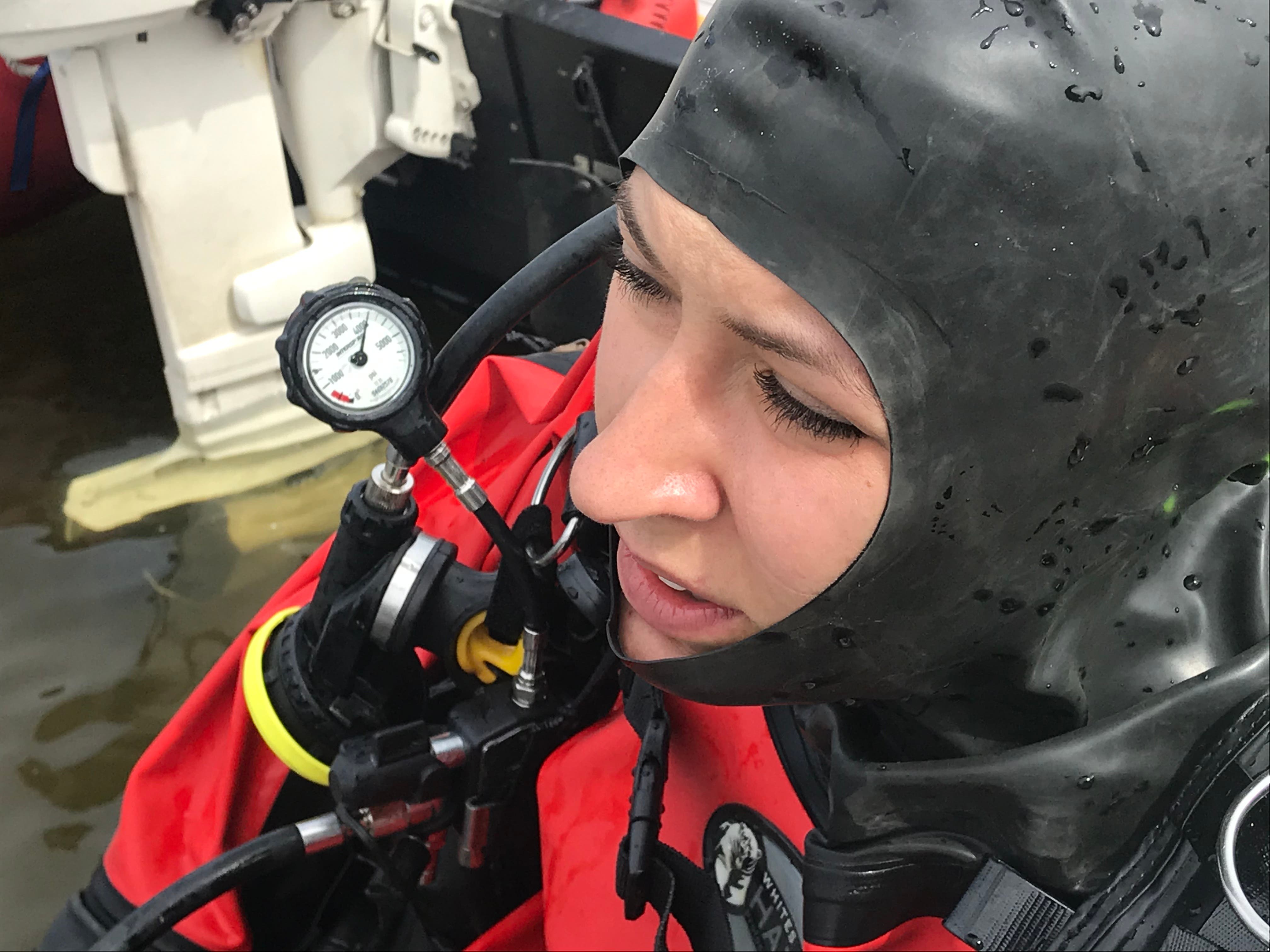
A veteran paramedic and rescue diver, Rocco knew the work ahead. It would be her job to descend into the lake’s murky depths with no chance for the miracle Geraldo’s mother hoped for all night long.
Like a lot of first responders, Rocco doesn't usually talk about the toughest part of her job. She deals with it, shoving aside her own emotions to accomplish what the job requires her to do in the aftermath of such a tragedy.
Find out what's happening in Chicagofor free with the latest updates from Patch.
“It definitely affects me later. I think about it. But there’s a time and place for those feelings, she said. “I definitely reflect and mourn, but I don’t do it at work.”
Drowning is the second leading cause of death for kids under 14 years old, according to the Centers for Disease Control. Most child drownings happen in open water — lakes, rivers, ponds and oceans — and boys account for 80 percent of those fatalities, according to a 2018 study.
In 2018, Lake Michigan was ranked as the “deadliest” Great Lake, with 42 reported drownings in Illinois, Wisconsin and Michigan. So far this year, 10 people have drowned in Lake Michigan, according to the Great Lakes Surf Rescue Project.
In Lake County, where Bangs Lake is located, there were 12 drownings in 2018. Geraldo’s death was one of three drowning deaths reported in Lake County so far this year, according to the coroner’s office.
As morbid as it might sound when the job is to pull a lifeless boy from the bottom of a lake, the work gave Rocco a sense of purpose that day, motivation to do her best.
“The best thing I could do was give that family closure,” she said, “and bring the body to the surface.”
‘Find My Baby’
Rocco arrived at the lake with fellow Wauconda Fire District divers Pete Jablonski and Marcin Staniszewski. They parked their van and headed to the dock, where several recovery boats waited for them. They left their gear on shore and headed out on the lake to join the others searching for Geraldo’s body.
Geraldo, a fourth-grader who loved math, loved to play in the lake. He moved to Wauconda from Florida with his family the year before, and became buddies with Marquis Montez, 11, who also lived in the small pocket of homes along the north shore of Bangs Lake. They attended Wauconda Grade School together. Teachers remembered Geraldo’s “glowing smile,” and the absolute awe in his eyes the first time he saw snow.
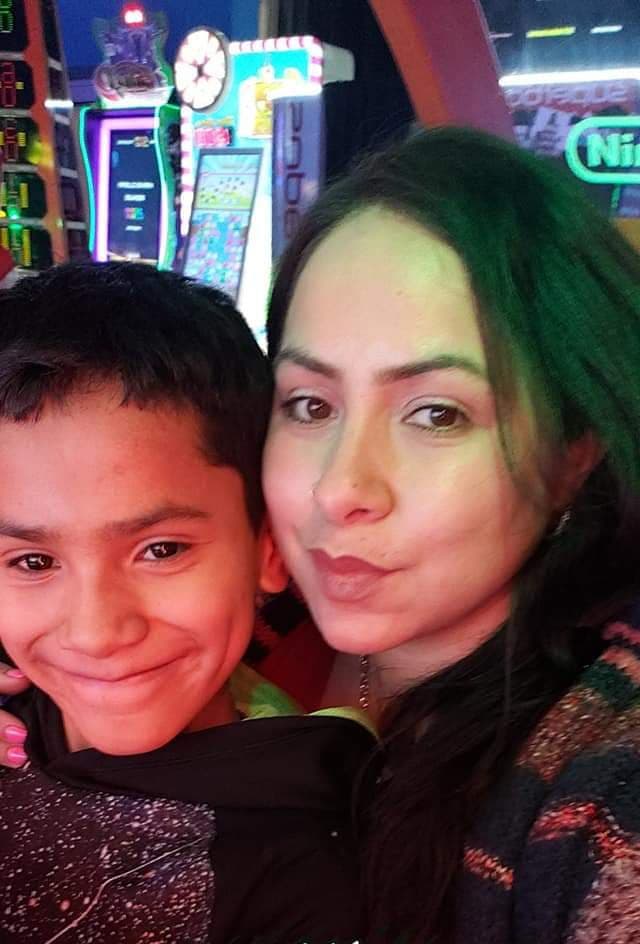
“He was full of life,” Angi Rodriguez said of her late nephew. “He was sweet, funny, outgoing. He wasn’t scared to do anything. He was always up for whatever, very courageous.”
Geraldo would have turned 10 years old in a few days. His family planned to celebrate his birthday early with a party set for the same afternoon that Rocco and the others searched for his body.
It was a cool spring evening before the storm rolled in around 7 p.m. April 19. The wind picked up — gusts topped 40 miles per hour, churning up waves too strong for the boys to paddle against. Firefighters said Geraldo and Marquis, who weren't wearing life jackets, probably panicked and jumped from the boat with plans to swim ashore. A fisherman heard their cries for help and motored their way. He managed to pull Marquis from the 45-degree water, but they couldn’t find Geraldo. Firefighters from 22 departments raced to Bangs to assist Wauconda rescuers.
They used sonar, underwater sound-based radar, in another failed attempt to locate Geraldo, and by 3 a.m. Saturday, the severe storm ended the search until after sunrise.
By the time Rocco arrived at Bangs Lake at around 8 a.m., the fierce winds had subsided. Geraldo’s family waited under a pavilion near their neighborhood beach.
Geraldo’s mother, Vanessa Rodriguez, was distraught, crying and pacing back and forth. She hugged family members, who tried to calm her and tell her to stop blaming herself.
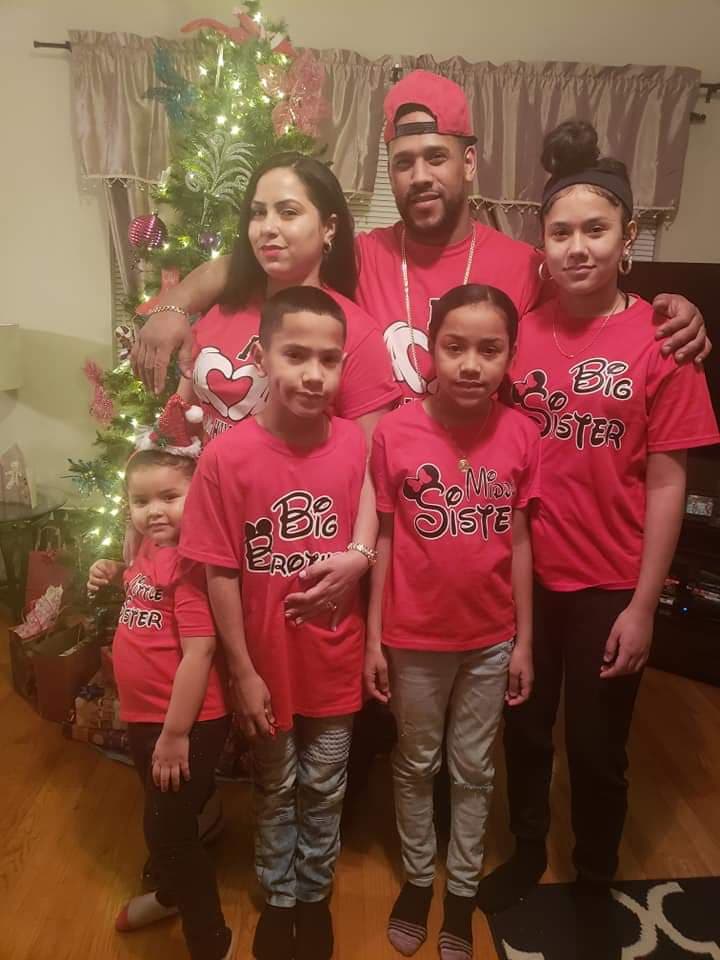
“She kept saying, ‘They have to find my baby. He’s out there somewhere so cold and alone,’” Angi Rodriguez recalled. “She just wanted them to find him, so she could hold him.”
Rocco says she avoided eye contact with Geraldo’s parents, and stopped herself from thinking about the family’s pain.
“If I had seen mom and dad breaking down, I don’t think I would have been able to hold it together,” she said.
‘All The Way Down’
Witnesses led firefighters to an area a few hundred feet from shore. A woman across the bay urged them to go farther out. “You’re way too close to shore,” she told them.
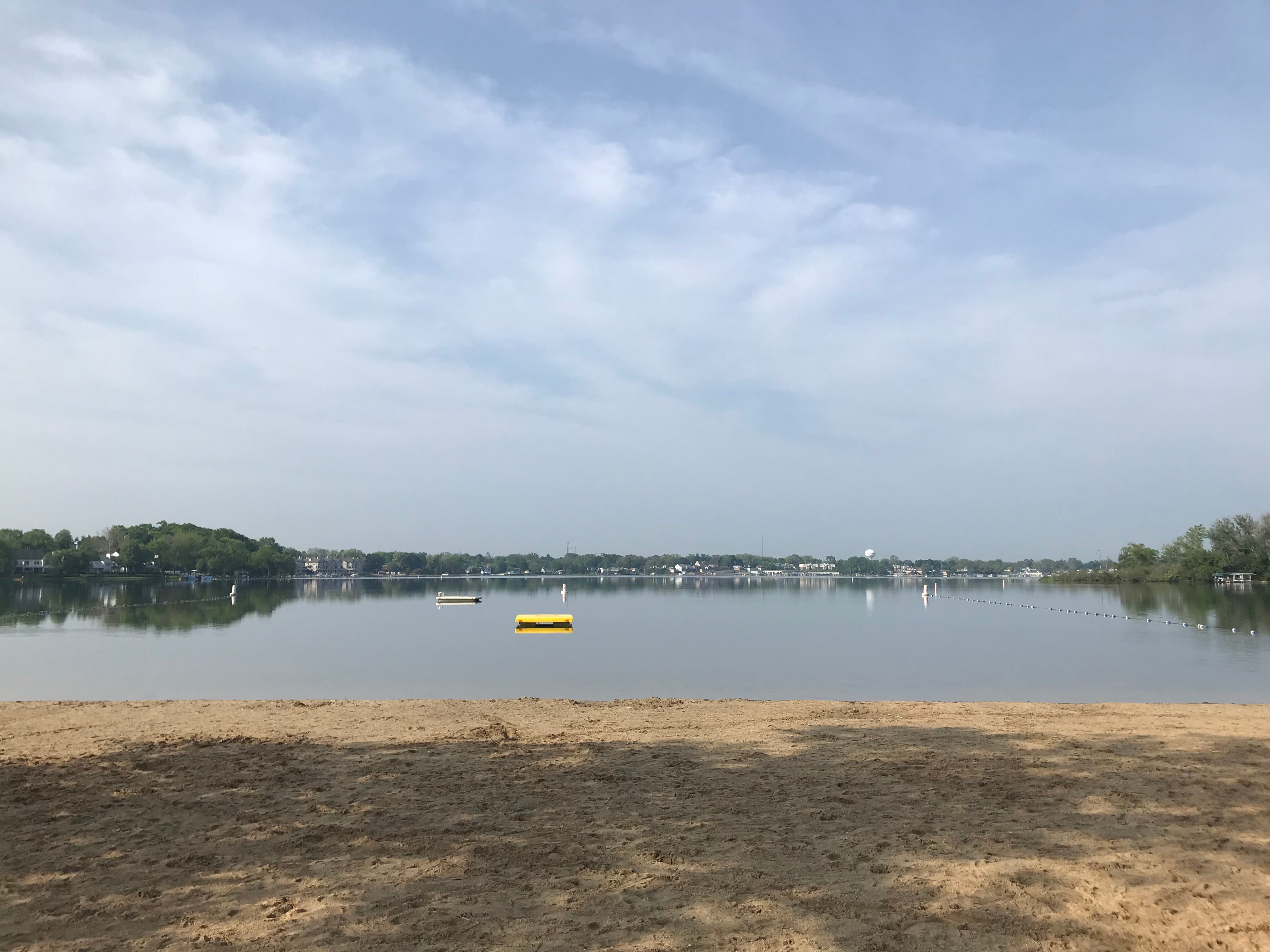
Wauconda fire Lt. John Spratt manned the sonar boat, which pulled a torpedo-shaped device that scanned the lake from 3 feet above the bottom, 30 feet down. Within an hour sonar produced a video image in the shape of a young boy, near the center of the 306-acre lake. Spratt and his crew dropped buoys on each side and called for the divers.
Rocco and Jablonski went back to the dock, geared up and took a larger boat to the buoys. After five years of training, it would be Rocco’s first body-recovery dive. Spratt’s crew lowered a second sonar device, a tripod that sits on the lake floor, between the two buoys. They used sonar to guide divers as close as possible to the boy.

Rocco descended into the lake, which became increasingly murky as she followed a line to the bottom, a few feet from where she needed to go. She could see only an arm's length in front of her. “I just turned my head to the left and saw him … all the way down to the bottom,” she said. “Literally right next to me.”
Recovering dead bodies is part of her job. But this experience was different. “I haven’t seen a lot of kids die,” she said. “Kids are always harder. I’m not a mom. If I was a mom, it would be even harder.”
Thirty feet below the surface, the lake was still.
“It was eerie because it’s quiet and it’s just me and him under there and you can’t hear the hustle and bustle going on up there,” she said. “He didn’t look distressed. He looked peaceful. His face looked really calm.”
Rocco wrapped her arm around Geraldo's body and swam to the surface, where Jablonski helped lift the boy onto the boat and returned him to the shore. Paramedics then brought the boy's body to his mother, who felt relief that Geraldo could be “put to rest and that he wasn’t cold anymore,” the boy’s aunt said.
For rescue workers like Rocco, the story doesn’t always end there. It’s no secret that the longer a firefighter is on the job, the more likely they are to suffer from post traumatic stress disorder. Female firefighters, according to a recent study, are more likely to suffer from PTSD than their male counterparts.
And despite what you might think, veteran firefighters don’t necessarily get better at coping with emotional stress of dealing with tragedy, researchers say.
Back on shore that Saturday, Rocco noticed a technician from the sonar team who had young children appeared distraught. She gave him a hug, and asked if he was OK.
“He said, ‘Yeah, are you?’” Rocco remembered. “I said, ‘Yeah.’ He was more upset than me.”
A chaplain offered to counsel Rocco after the dive, but she declined.
“I was OK,” she said. “Some people are cut out for this type of work and certain people aren’t. Doctors, nurses, morticians — I guess we’re just a different kind of breed.”
So far, encounters with tragedy “don’t keep me up at night,” Rocco says. “I’m sure it will happen one day."
‘Every Moment Counts’
Reporters gathered at Bangs Lake that Saturday afternoon. Rocco and Jablonski stood silently behind Wauconda Fire Chief Dave Geary as he broke the news that Geraldo’s body had been found, giving his parents cold comfort.
Rocco thought about Geraldo and his pal. They did what she would have done at their age.
“They were probably like, ‘Oh, it’s warmer out. Spring is coming. Oh, there’s a boat out there.’ We were all 11 and 9 once. We all made those decisions,” she said.
“It helps you realize every moment counts. Enjoy every single thing you do because you never know when it will be the last thing you enjoy, the last conversation you have or the last time you see your family.”
As Rocco and Jablonski wrapped up their work, she told her diving partner how it felt to guide the boy’s body from the lake’s bottom, that moment she allowed herself to recognize the boy’s humanity.
“It’s how we cope,” she said. “We say how it is.”
When the last of the gear was cleaned and put away at the fire station, Rocco drove herself home and went for a run.
Phil Rockrohr is a writer and editor. His work has appeared in the Chicago Tribune, Chicago Sun-Times, Chicago Reader, TimeOut Chicago and Crain.com.
Get more local news delivered straight to your inbox. Sign up for free Patch newsletters and alerts.