Community Corner
Rabid Bat Found in McHenry County
A puppy may have had contact with the rabid bat found outside a home in Marengo.


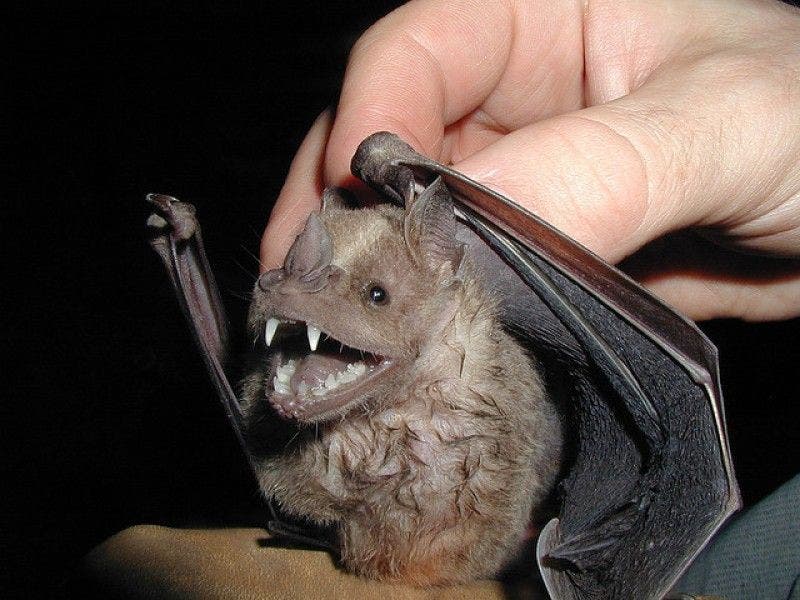
A rabid bat was found outside a Marengo home on September 13, according to health officials.
Test results for the bat, reported to McHenry County Department of Health (MCDH) on Thursday, September 15, confirmed that the bat was positive for rabies. No human exposure was reported, although potential exposure to a puppy who was found playing with the bat is being taken into consideration, according to a news release.
Keeping pets, even those who stay indoors, up to date with vaccinations will not only keep them from getting rabies but also provide a barrier of protection for people if a rabid animal bites a pet, according to the news release.
Find out what's happening in Crystal Lake-Caryfor free with the latest updates from Patch.
If a bat is found, whether it is inside or outside your home, residents are reminded not to touch it directly.
The Marengo homeowner handled the bat with a shovel and plastic bag, ensuring no direct contact.
Find out what's happening in Crystal Lake-Caryfor free with the latest updates from Patch.
If a bat is found in the home, contain the bat in a room by closing the door, according to a news release. If you find a bat outside the home and think there has been exposure to a person or pet, or if the bat is injured, place an upside down bucket over the bat if it is possible.
Once the bat is contained, call Animal Control (815-459-6222).
In order to test bats for rabies, it is important the bat be in good condition with its head intact – either alive or recently deceased, according to the news release. Only in cases of confirmed exposure are bats submitted for testing. Specimens in good condition that test negative for rabies eliminates the need for rabies treatment following human exposure. Statewide, 53 rabid bats have been reported positive for rabies so far in 2016, with approximately 46 of those found in northeastern Illinois.
Rabies is a fatal disease caused by a virus that attacks the central nervous system, only confirmed by laboratory testing. The best way to avoid rabies is to avoid exposure. A bat that is active by day, found in a place where bats are not usually seen (such as in your home or on the lawn) or is unable to fly, is potentially rabid. People should take a “hands off” approach to all wild animals to reduce their risk of exposure. Children should also be educated to avoid handling wild animals. Bats are a protected species and part of the natural habitat.
If you have questions about exposure, call MCDH’s Communicable Disease Program at 815-334-4500. To learn more about rabies prevention, visit the Centers for Disease Control and Prevention (CDC) at http://www.cdc.gov/rabies/.
Get more local news delivered straight to your inbox. Sign up for free Patch newsletters and alerts.