Health & Fitness
Worst Flu Season In McHenry Co. Could See 2nd Surge
There's been an uptick in flu cases in the past week, which health officials are monitoring, local officials told Patch.


MCHENRY COUNTY, IL — McHenry County has seen its worst flu season in recent years this past winter, and we may not be totally out of the woods, yet, local health officials said Friday.
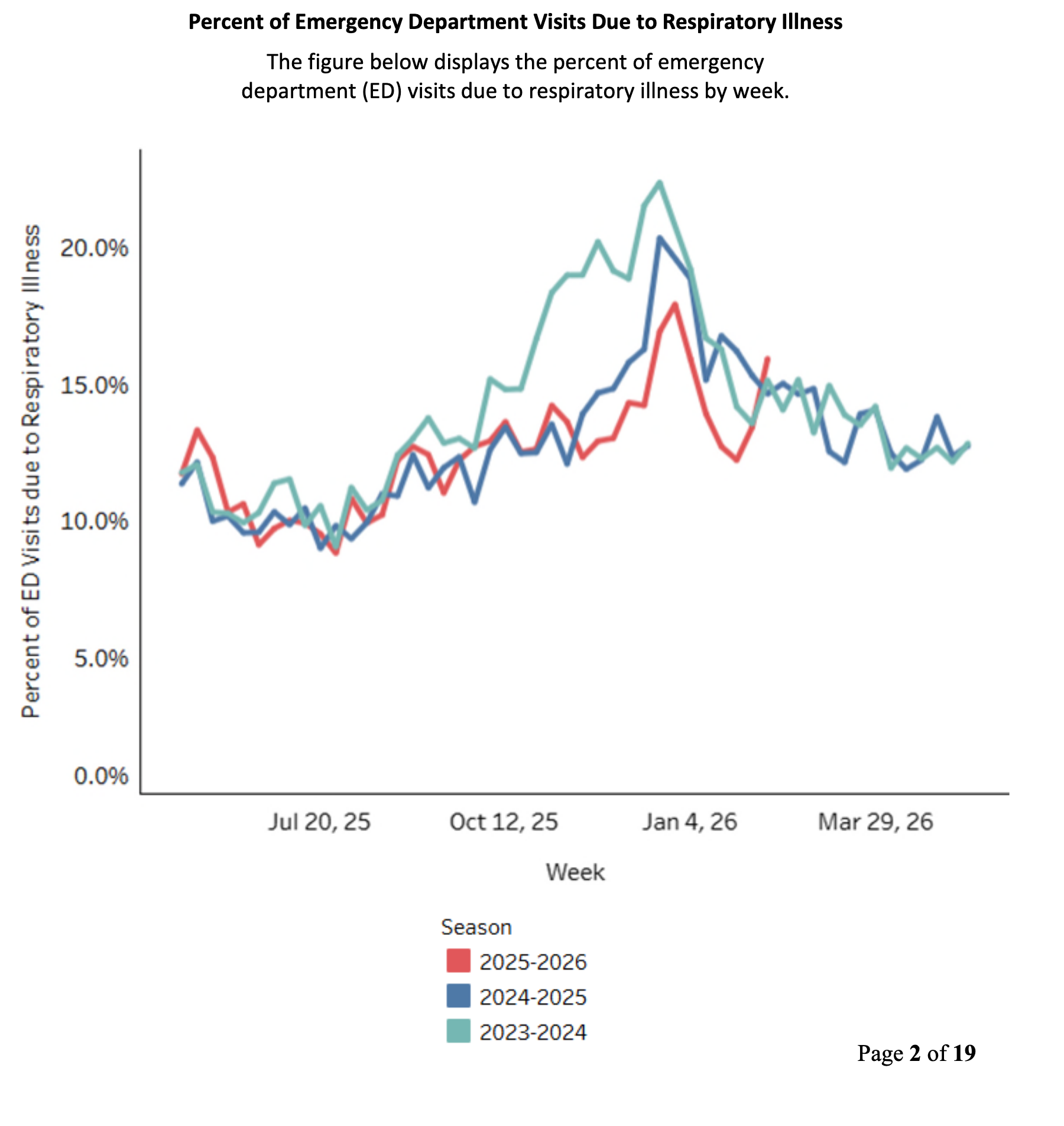
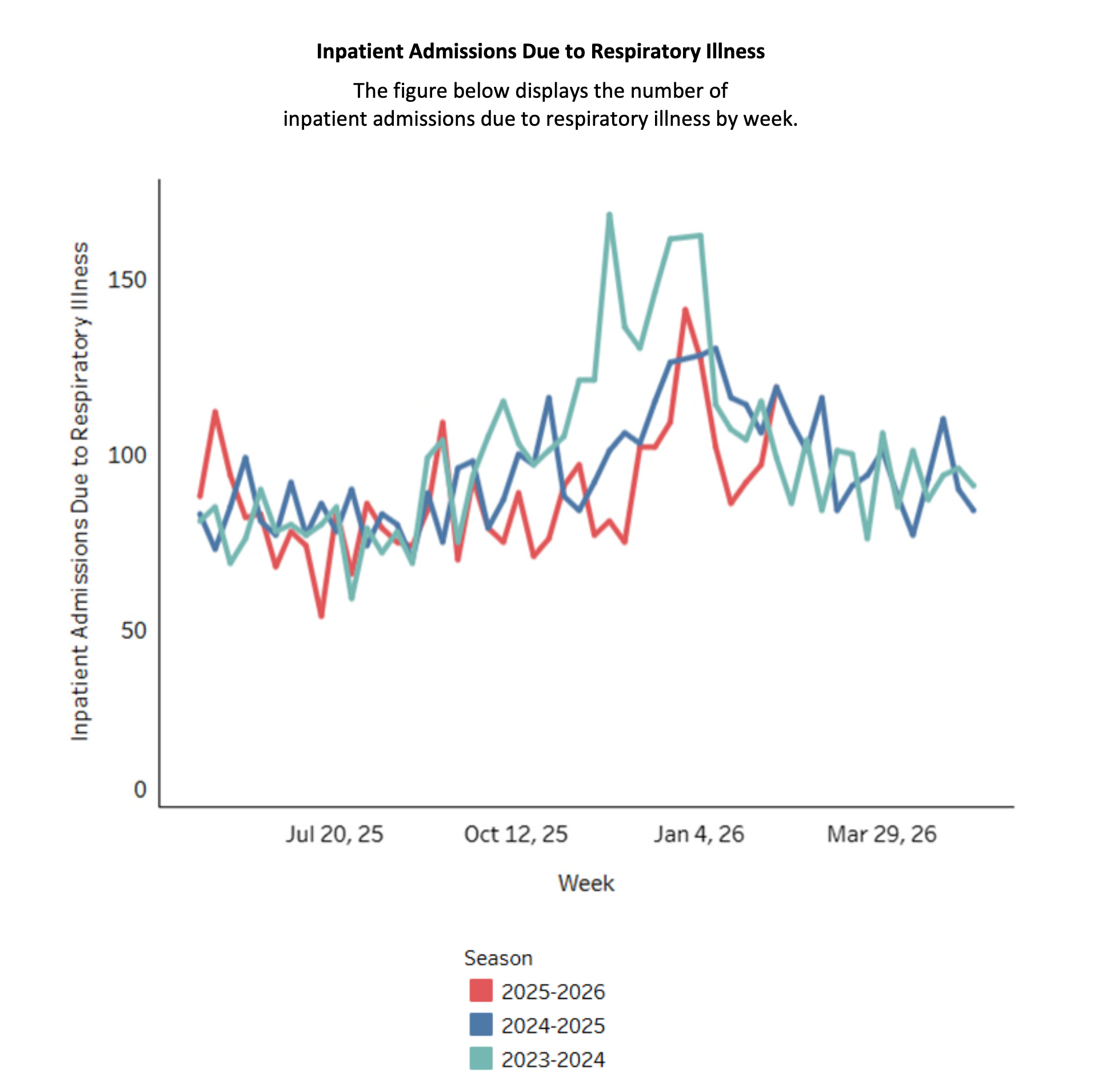
Respiratory illnesses here, and across the state, peaked in late December and started to decline afterward, said Nick Kubiak, public information officer for the McHenry County Department of Health. As of most recent public health data, respiratory illness activity — which includes COVID-19, the flu and RSV — remains high.
Flu activity is currently considered moderate in McHenry County, but the health officials are monitoring an uptick in influenza B cases.
Find out what's happening in Crystal Lake-Caryfor free with the latest updates from Patch.
"Cases are much lower than they were in December, but we did see a small increase last week, mainly due to influenza B," Kubiak told Patch on Friday. "In recent years, we have sometimes seen a second wave of flu later in the season driven by influenza B."
It is too early to say if that will happen this year, but we are monitoring it closely," he added.
Find out what's happening in Crystal Lake-Caryfor free with the latest updates from Patch.
Meanwhile, RSV cases have remained high in McHenry County and statewide.
"RSV levels remain high, especially among children ages 0 to 4," Kubiak said. "RSV activity has increased again in recent weeks. The good news is that we are not seeing the same high levels of RSV among adults age 65 and older that we saw in past years. This may be due to the availability of the RSV vaccine."
More Serious Flu Cases This Year
In McHenry County, this year's flu season has seen more serious cases and a higher volume of people getting sick.
"This season’s flu peak was higher than what we saw in the previous two seasons and led to more hospital visits at its highest point," Kubiak said. "Timing has also been different. This year’s peak, driven mostly by influenza A, occurred in late December. Last year’s peak, which was driven largely by influenza B, occurred in late January and early February."
Influenza A viruses affect both humans and animals, mutating rapidly to cause more severe,
widespread pandemics and seasonal epidemics. In contrast, Influenza B viruses circulate almost exclusively in humans, typically causing milder, more localized seasonal outbreaks. Both strains share similar symptoms, including fever, cough, and body aches.
Either way, health officials are urging those who have not been vaccinated to still do so.
"Even though we are past the peak, flu activity is still moderate, and additional activity is possible," Kubiaks said. "While final vaccine effectiveness estimates are not yet available, flu vaccination is proven to reduce the risk of severe illness, hospitalization, and complications. Vaccination remains one of the best ways to protect yourself and those at higher risk."
Get more local news delivered straight to your inbox. Sign up for free Patch newsletters and alerts.