Politics & Government
Evanston Voter Initiative Sues To Overturn Electoral Board Ruling
Former Gov. Pat Quinn is challenging the Evanston Electoral Board ruling blocking a referendum to create a local initiative procedure.


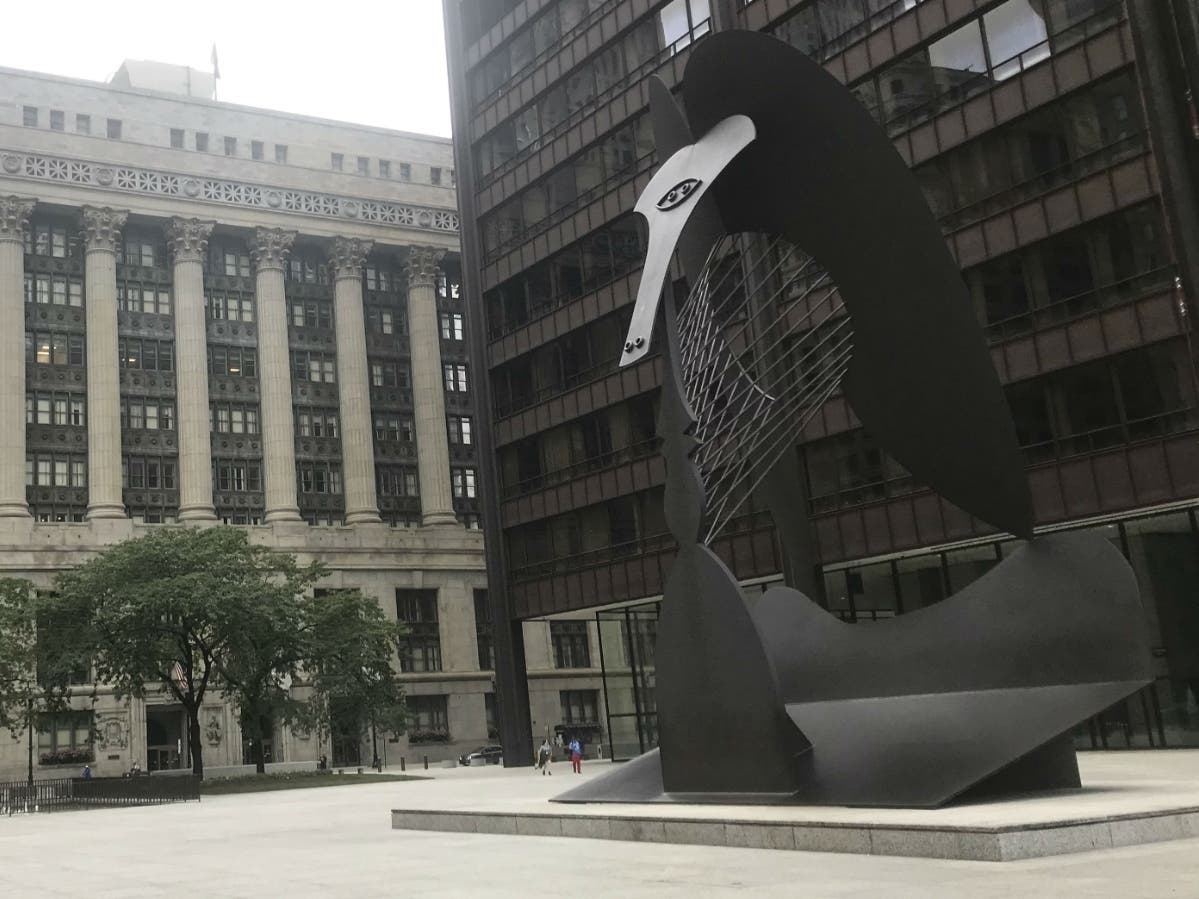
CHICAGO — In a case that hinges on differing interpretations of the Illinois Constitution, a Cook County judge is considering whether a panel of Evanston elected officials violated the law last month when they blocked a referendum from an upcoming ballot.
The citizen-initiated referendum question, dubbed the Evanston Voter Initiative, aims to give voters the opportunity to propose and enact new local legislation.
According to the proposal, valid signatures from about 2,800 local voters would be enough to compel the City Council to consider a citizen-initiated ordinance. If aldermen decline to approve it, it would go to voters for a referendum in the next election. If voters approve it, the City Council would then have about a month to veto it.
Find out what's happening in Evanstonfor free with the latest updates from Patch.
After its backers submitted more than 3,800 signatures in December to place a referendum question on the upcoming primary ballot, three residents filed an objection. Rather than challenging the validity of the signatures, they argued that the referendum was unconstitutional and confusing.
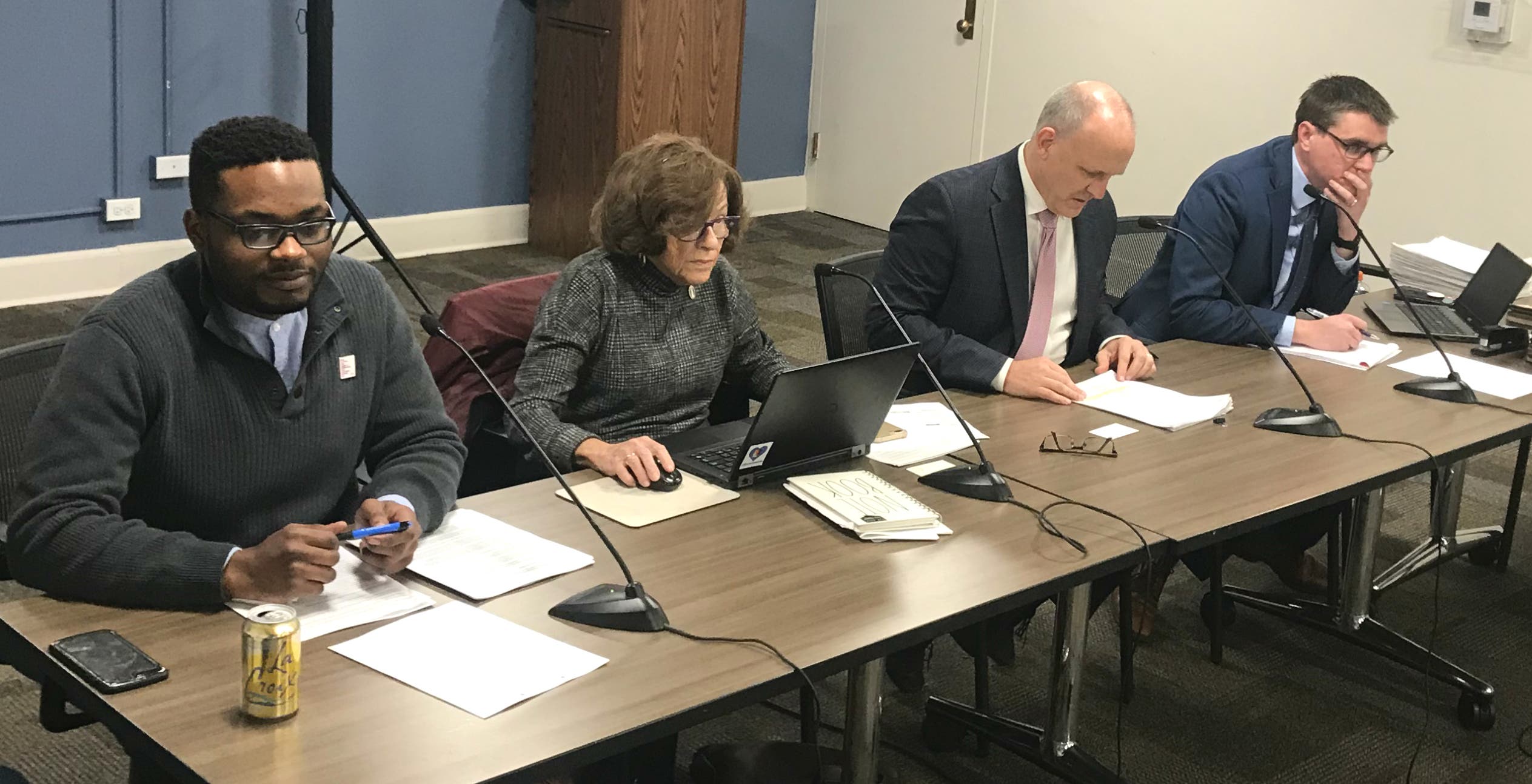
The three-member Evanston Municipal Officers Electoral Board, composed by law of the mayor, senior alderman and clerk, voted 2-1 on Jan. 15 to side with the objectors and block the question from appearing on the March 17 ballot.
Find out what's happening in Evanstonfor free with the latest updates from Patch.
Illinois law allows binding referendums on bond issues, constitutional amendments, tax increases and changes to forms of local government — such as establishing term limits, authorizing home rule authority, or the 1991 citizen-initiated referendum that reduced the size of the Evanston City Council from 18 to nine. But it does not allow binding referendums on questions of "public policy."
Backers of the Evanston Voter Initiative said it counts as a change to the roles and duties of local elected officials allowed under Article VII of the Illinois Constitution. The objectors argued — and the electoral board, in an opinion prepared by the outside attorney hired by the city, agreed — the referendum question is not authorized by the constitution or state law.
"A home rule unit shall have the power subject to approval by referendum to adopt, alter or repeal a form of government provided by law," the constitution says. "A home rule municipality shall have the power to provide for its officers, their manner of selection and terms of office only as approved by referendum or as otherwise authorized by law."
According to the electoral board's ruling, citizen-initiated referendums do not count as being "initiated by a home rule unit or municipality," and the form of government contemplated by the Evanston Voter Initiative does not count as provided by law.
"The Proponent does not cite any law that authorizes the novel local initiative procedure proposed in the public question. The proposed local initiative procedure is not included in any of the forms of government provided in the Illinois Municipal Code," the board ruled. "Nor is the proposed local initiative procedure authorized by any City ordinance."
Agreeing with the objectors, the board also found the proposed referendum to be "fatally vague and ambiguous," resulting a real possibility voters would not understand what their vote would mean. During the hearing, Hagerty said he found the proposal confusing, although he conceded he was "confused easily."
The electoral board also concluded the proposed referendum failed to lay out a "coherent scheme" and left unanswered too many questions — like: What happens if the mayor vetoes an ordinance? What about in cases where the city code requires a super-majority? And what standards is the clerk supposed to use to determine the "validity and sufficiency" of petition-initiated ordinances?
"These are just a few of the ways that the proposed public question fails to present a coherent alteration to the form of government provided by law," the board's opinion found.
Related:
Evanston Electoral Board Blocks Initiative Referendum
Board Hears Challenge To Evanston Voter Initiative Referendum
Allie Harned, the lead petitioner for the Evanston Voter Initiative, and her attorney, former Illinois Gov. Pat Quinn, a longtime proponent of expanded referendums and initiatives in the state, filed suit in Cook County Court on Jan. 30.
Asking Cook County Circuit Judge Maureen Kirby to reverse the electoral board's decision, Quinn argued the board had no jurisdiction over the constitutional issues it ruled on, that Ald. Ann Rainey and Steve Hagerty demonstrated bias, and that improper actions by the board's outside attorney denied Harned due process and a fair hearing.
"Objectors [Jane Grover, Kent Swanson and Betty Hayford] relied on subjective arguments and cited no case authority to support their argument," Quinn alleged. "Special counsel for the Electoral Board [Dan Bolin] acted on their behalf, asking questions of Petitioner's attorney, but also presenting, and questioning Petitioner's attorney on new legal arguments that the Objectors had not presented."
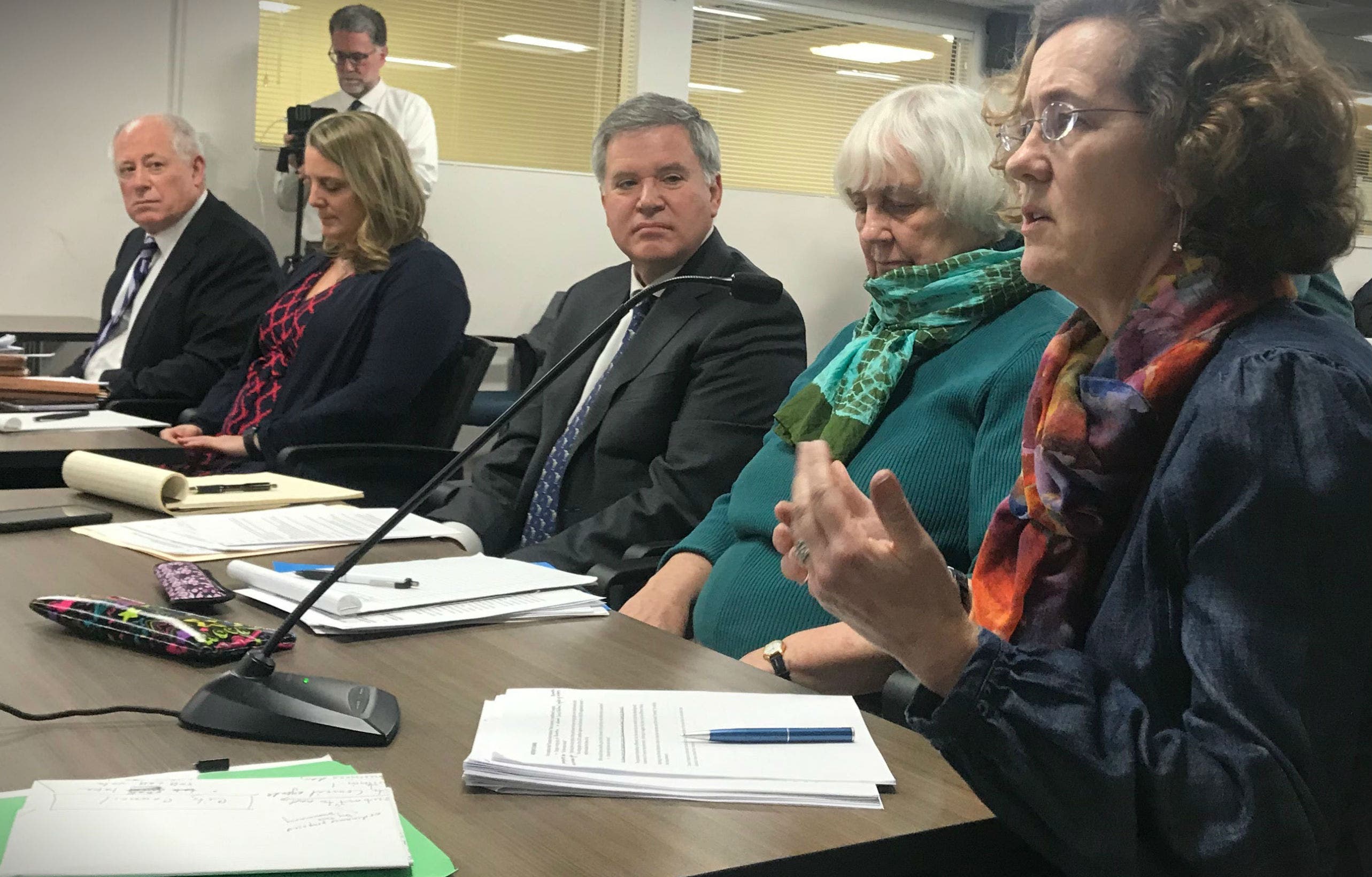
Quinn pointed to Arlington Heights, where a similar initiative program has existed since 1981 "without legal challenge," according to the complaint. In response to a question from Rainey at the electoral board's hearing, Quinn said he was unaware of any instance where the Arlington Heights procedure had been used.
"The Evanston Municipal Officers Electoral Board has neither the expertise nor the authority to rule on constitutional issues, especially in the instant case of first impression involving original interpretation of the Illinois Constitution and Illinois Statutes," Quinn said in the complaint. "Because the Objectors raised no issue of fact, but rather focused exclusively on constitutional issues of first impression, the Board had no jurisdiction over the subject matter contained in the objection, and should have denied consideration of the objection."
At a hearing on Friday, Quinn told Kirby, the judge, he "learned the board had already prepared its decision before the hearing," and said he wanted copies of the material prepared ahead of time by its outside counsel.
Bolin, the board's attorney, told the judge he had prepared "draft decisions going every which way" in advance to handle the expedited procedures more efficiently. He said he would be comfortable sharing the draft document but not a memo he prepared for the board ahead of the hearing that contains legal advice.
Kirby said questions of attorney client privilege and exemptions under the Illinois Freedom of Information Act would have to be handled separately by another judge.
Also appearing in court at the Jan. 31 hearing was Peter Friedman, a partner at Holland & Knight and the village attorney of Winnetka and Des Plaines. He appeared on behalf of the objectors. It was not clear if he has been retained in a pro bono capacity.
Joining Quinn on Harned's legal team last week were attorneys John Mauck and Sorin Leahu, of Mauck & Baker. Harned said her legal team has been providing pro bono services.
Evanston's electoral board has retained the municipal law firm Ancel Glink to represent them in the appeal. According to engagement letters, the firm's attorneys charged $225 per hour during the initial hearing and are billing $215 per hour during the appeal. The city has not yet received their bills.
There are no records of the Evanston Electoral Board hiring an outside attorney at taxpayer expense in the decade prior to the Evanston Voter Initiative objection, according to the city's response to a public records request. It has yet to be determined if the board, whose composition and role is mandated by state election law, had ever hired an outside attorney at some point prior to 2010.
Hagerty did not respond to a request for comment. Grover declined to comment, referring any questions to Friedman.
The electoral board's attorney submitted a copy of the record of the case by Tuesday and Quinn submitted his brief Thursday. The response from the referendum's proponents is due Monday, and any reply to that must be submitted by Feb. 11. They will be added below when received.
A hearing on the case with oral arguments from both sides was scheduled for 11 a.m. on Feb. 13 in room 1703 of the Daley Center in Chicago.
Read first amended complaint in Harned v. Evanston Municipal Officers Electoral Board et al »
Full text of proposed referendum question:
Shall the people of the City of Evanston provide for a voter petition and referendum process for the consideration and passage of city ordinances as follows:
The people of Evanston provide that the offices of City Clerk, Mayor and aldermen of the City Council have the power and duty to determine the necessary and proper procedural rules regarding the passage of city ordinances and the express duty to assist the people of Evanston in exercising their right to petition and make known their opinions regarding the consideration and passage of city ordinances. At the request of at least 25 Evanston electors, the City Clerk shall promptly cause a proposal to be drafted into ordinance form, including an official summary of the proposed ordinance. The official summary of the proposed ordinance may be introduced by a petition filed with the City Clerk and signed by a number of electors equal to at least eight percent of the total votes cast in Evanston for candidates for Governor in the preceding gubernatorial election. The procedure for filing the petition and determining its validity and sufficiency shall be established by the City Clerk, who shall make the determination of validity and sufficiency within 21 days of a petition filing.
Upon the determination of a valid and sufficient petition, the City Clerk shall within one business day submit the ordinance proposed by the official petition summary on the agenda of the next City Council meeting for its consideration. The City Council shall take a record roll call vote on the proposed ordinance within 70 days of submission by the City Clerk. If the City Council does not pass the proposed ordinance within the 70 day period, the official summary of the proposed ordinance shall be submitted by the City Clerk to the electors for their approval by referendum at the next regularly scheduled election held in all precincts of the city and held at least 70 days after referendum submission by the City Clerk. If the official summary is approved by a majority of those voting on the question, the proposed ordinance shall have the force and effect of passage by the corporate authorities of the City of Evanston unless it is disapproved by a resolution of the City Council not more than 30 days after the election?
Get more local news delivered straight to your inbox. Sign up for free Patch newsletters and alerts.