Schools
Professor Moonlights for 'Tron: Legacy'
Northwestern's MacIver puts the science in sci-fi of 'Caprica' and 'Tron' sequel.



When neurobiologist and robotics expert Malcolm MacIver isn't busy teaching or conducting research at Northwestern University, he spends his time helping evil technology destroy mankind.
Well, sort of.
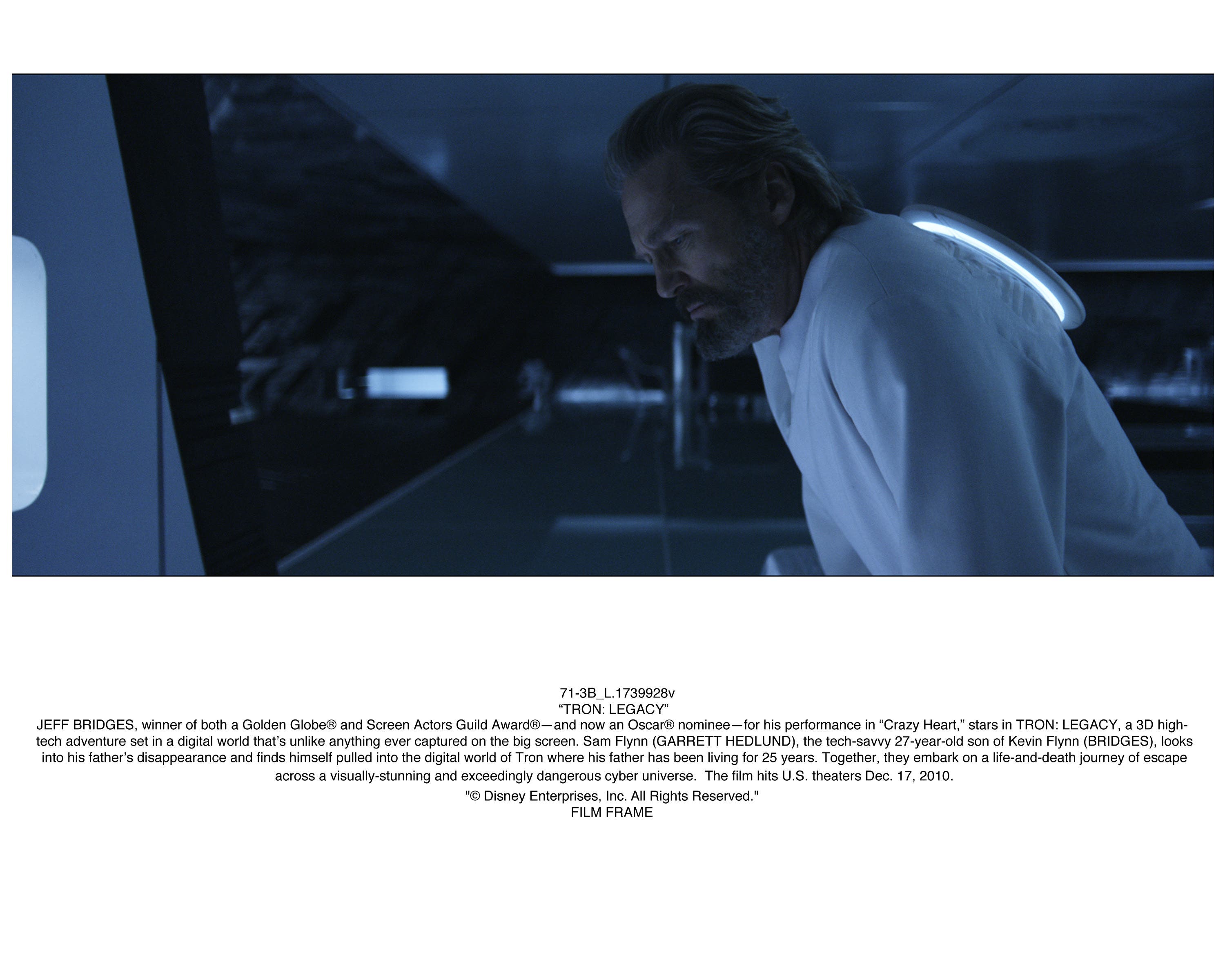
MacIver recently consulted for the upcoming movie Tron: Legacy, a sequel to the 1982 Walt Disney Pictures release. He is contractually prohibited from discussing his work on the movie, saying only that he has collaborated with the director, producers and other scientists to work through plot points and themes.
Find out what's happening in Evanstonfor free with the latest updates from Patch.
"Science has so many super-cool stories, you don't need to dramatize it, it's dramatic in itself," MacIver said. "At the end of the day, truth is stranger than fiction, as the old platitude says."
He also works as a script consultant for the SyFy channel show Caprica, a prequel to "Battlestar Galactia" that chronicles the creation of the Cylon robots that later nearly destory human civilization.
Find out what's happening in Evanstonfor free with the latest updates from Patch.
McIver's consulting work ranges from helping writers integrate accurate jargon into dialogue to making story lines scientifically plausible to occasional fact-checking.
"One of the characters [on Caprica] was describing how this virtual world was so much richer because they've gone beyond the traditional ways of building these virtual spaces," MacIver said. "And it occurred to me that they could use this idea from some leading edge research in computer graphics, which is called a generative model."
A generative model, MacIver said, is essentially a recipe for growing something within computer graphics rather than creating a separate piece of code for everything. He said the idea ended up getting written into the show.
Although MacIver's real-life work is fascinating -- robotics research for the U.S. mlitary is one of his projects -- he says it's usually a disappointment to people who are familiar with science fiction.
"The thing about science fiction and robotics in sci-fi," MacIver said, "is that where we are in the real world with all that stuff is so primitive. So any time I show somebody who's seen Terminator what I do with robots they go, 'Oh. Is that all you've got?' "
Yet when people really take time to look into the work that everyday scientists are doing, MacIver says most people would be surprised with how interesting it really is. He hopes his work with Hollywood producers will spark people's interest in science and encourage them to do a little research of their own.
Get more local news delivered straight to your inbox. Sign up for free Patch newsletters and alerts.