Politics & Government
Preservation Commission Rejects Harley Clarke Demolition Request
Evanston's City Council could still overrule its Historic Preservation Commission and approve the demolition of the city-owned landmark.


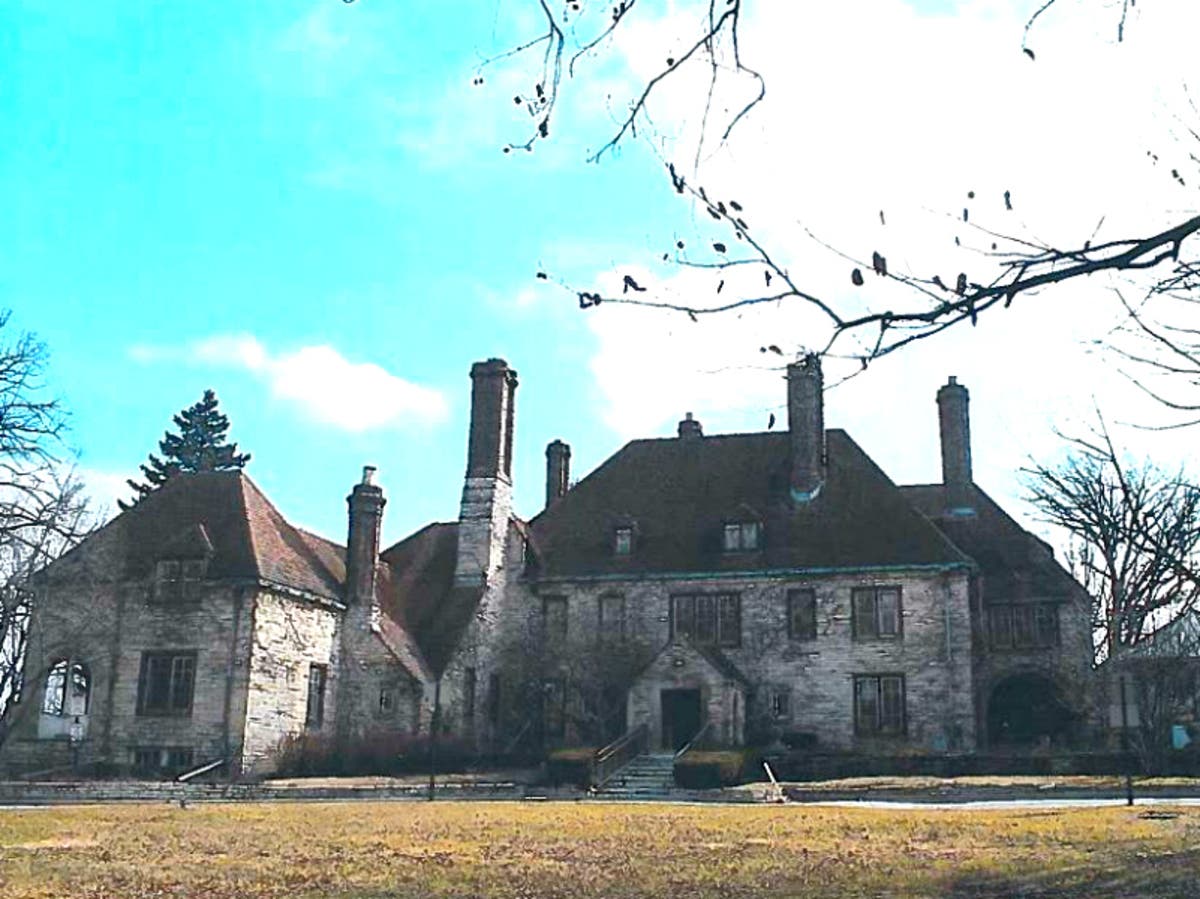
EVANSTON, IL — The Evanston Historic Preservation Commission unanimously rejected a request from the city to grant it permission to demolish the Harley Clarke mansion. The 10-0 vote, with one commissioner absent, followed a presentation from City Manager Wally Bobkiewicz and public comments from about three dozen preservationists and residents in support of keeping the vacant mansion, as well as one representative of Evanston Lighthouse Dunes, the citizen's group that has committed to paying to defray the cost of razing the city-owned landmark and clearing the site for use as parkland.
The City Council approved a contract with members of the group in July, the city manager signed a memorandum of understanding with them in August and the group had collected nearly all of the $400,000 it pledged to the project by mid-October. According to the terms of the agreement, the city promised to pursue a demolition permit, a process that begins with an application to its preservation commission.
In his presentation before the commission on behalf of the city, Bobkiewicz said it would be too expensive to rehab the building and Evanston had already exhausted all opportunities to preserve it.
Find out what's happening in Evanstonfor free with the latest updates from Patch.
"The city of Evanston has spent the better part of seven years looking at options for the mansion, looking at options for renovation investment in there, and during the course of those seven years, numerous studies were done," he said. "Part of the reason for this was the Evanston Arts Center, who had the lease with the city, did not perform the necessary maintenance, repair or renovation work needed to keep the mansion in proper working condition."
In 2013, the City Council rejected a bid by Tawani Enterprises to convert the mansion into a boutique hotel by a 6-3 vote following complaints of over-commercialization of the lakefront. In 2014, a proposal for the Illinois Department of Natural Resources to occupy the property fell through after a change in the governorship. And in April, aldermen voted 5-4 to cut off lease negotiations with a nonprofit that aimed to turn the mansion into an environmental education center over concerns about long-term viability.
Find out what's happening in Evanstonfor free with the latest updates from Patch.
"The city believes that the current state of the property presents a danger to persons inhabiting or visiting the property," Bobkiewicz said, noting previous estimates had put the cost of bringing the building up to city code in the range of $430,000 to $600,000. He said there would be additional costs if the building was allowed to be opened to the public.
"The demolition of the buildings, as proposed by the city of Evanston, would result in open lakefront land, which would restore the original condition of the property to its natural state, and it represents the lake shore in the early days when there were no buildings present," the city manager said.
"I'm embarrassed," said Brad White, a former commission member who wrote Evanston's preservation ordinance. "The presentation by the city shows a total lack of respect for the preservation commission, for this process. There isn't an ounce of expertise, it's, 'The city feels.' I don't even know why we're standing up here talking about the standards because they haven't even presented a case that would show that they would even have an iota of trying to meet the standards. No information on how much the costs are. No information on what the financial hardship is. Nothing. No experts. No nothing."
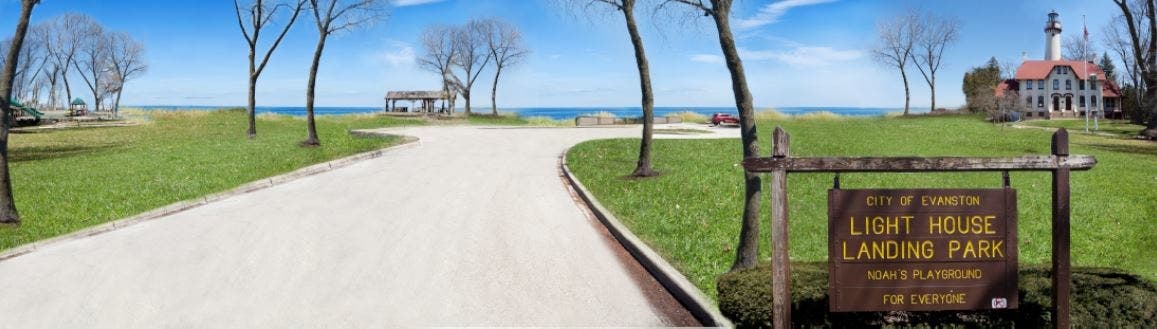
Nicole Kustok spoke on behalf of the Lighthouse Dunes Group, which emerged publicly in May. She said removing the buildings would preserve the lakefront and spotlight the Gross Point Lighthouse.
"We argue it is currently being obstructed from the public view by the Harley Clarke home and coach house, two buildings with decades of deferred maintenance. The city of Evanston is unable to afford the building, and as a result there are only three options left to fund any proposed renovations and annual operation costs," Kustok said. "You have taxes, philanthropy or commercialization."
Kustok said there was broad agreement that taxpayer money should not be used to support the mansion and little appetite for commercialization of the lakefront in violation of the city's master plan for the lakefront. The gift of demolition would provide additional permanent public parkland and allow aldermen to focus on more pressing matters.
"If there is one thing that I’ve learned in wasting my time on [Harley Clarke], it is that the City cannot be relied upon to maintain properties for which it is responsible," wrote demolition financier Chuck Lewis, in communications with city officials indicating he threatened to withdraw from fundraising for the Robert Crown Community Center if the city reconsidered leasing the Harley Clarke mansion to the nonprofit group that sought to turn it into an educational center. His Lewis-Sebring Family Foundation is, along with Kustok and four other individuals, a party to the memorandum of understanding.
"I truly believe that this building is not a tear-down, not even close," said Ally Harned, representative of the group Save Harley Clarke, which was formed over the summer in opposition to demolition. "It is an opportunity for people to come together to talk about our shared vision for the city and to learn how a restored and revitalized Harley Clarke can become an economic engine for a thriving community asset that serves everyone."
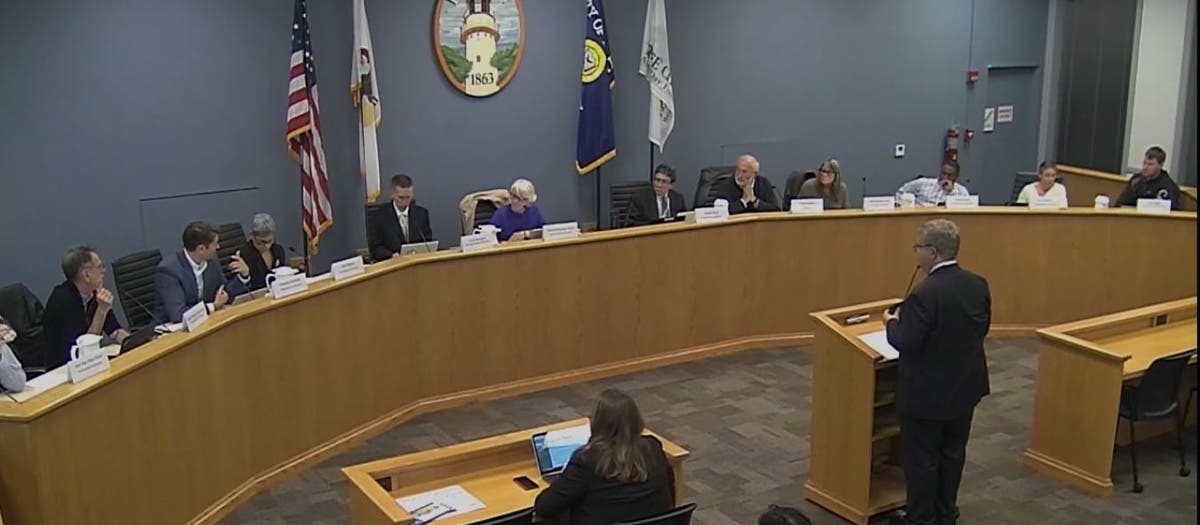
Prior to the vote, commissioners said the city had failed to make a case for demolition. Chair Diane Williams said the city's application did not to meet the standards required to issue a certificate of appropriateness.
"Certainly there are condition issues that are evident in the building, and also reviewing the city's information," Williams said, "From my standpoint I didn't find any issues associated with the physical condition that would necessitate demolition."
Commissioner Elliott Dudnick said he went through the building on Saturday and suggested most of the supposed code violations were trivial. Earlier this month, the City Council voted to allow commissioners to inspect the interior of the mansion but rejected a request by Landmarks Illinois to let architects inside by the same 5-4 vote that cut off lease negotiations with the environmental education nonprofit.
"Having trained inspectors for the city of Chicago I can tell you that I know what is hazardous and dangerous and there's nothing there that is hazardous and dangerous," Dudnick said. He asked Bobkiewicz why the city had not presented any evidence to support its claims the building was unsafe. Bobkiewicz said all the information available to the the city was included in its application.
Commissioner Julie Hackner warned of further deterioration to the structure, calling the failure to maintain the building "unforgivable."
Vice-chair Ken Itle said city staff had not met a any of the standards for demolition laid out in Evanston's preservation ordinance.
"I have seen nothing presented to justify the demolition of this building under any of these five standards," Itle said. "It's very clear that it's a significant building, it's a significant piece of architecture, it's a unique design and it would be a great loss to the city if it were demolished."
Staff will have the opportunity to appeal the ruling within 30 days to the City Council, which can overrule the commission. Assistant City Attorney Alexandra Ruggie confirmed the city would have the opportunity to file another application for a certificate of appropriateness, a certification of special merit or a certificate of economic hardship. The commission called for staff to have a report summarizing its findings prepared ahead of its Nov. 13 meeting.
Local state representatives have floated the idea that a post-election change in Illinois could result in new opportunities for use of the site at no direct cost to the city. Opponents of demolition say they have already raised enough money to cover the cost of 10 years of maintaining the property in its current condition while a permanent solution is developed with the state, which could take ownership of the property from the city.
The Save Harley Clarke group has placed a non-binding referendum on the ballot, asking Evanston voters if the city shall, "protect from demolition and preserve the landmark Harley Clarke buildings and gardens next to Lighthouse Beach, for use and access as public property, consistent with the Evanston Lakefront Master Plan, at minimal or no cost to Evanston taxpayers?"
The City Council has two special meetings and a public budget hearing before Election Day. An ethics complaint scheduled for a hearing Thursday seeks to invalidate the memorandum of understanding and calls for the recusal of Ald. Ann Rainey, 8th Ward, who has donated to the pro-demolition campaign and sought to raise money on its behalf.
For more local stories, subscribe to Evanston Patch to receive daily newsletters and breaking news alerts or download the iPhone or Android app.
Related:
- Evanston Alderman Accused Of Multiple Ethics Violations
- Harley Clarke Mansion Demolition Donation Deal Signed
- Harley Clarke Referendum Cleared To Appear On November Ballot
- Aldermen Approve Amended Harley Clarke Demolition Agreement
- City Council Rejects Lease Of Harley Clarke Mansion To Nonprofit Group
Get more local news delivered straight to your inbox. Sign up for free Patch newsletters and alerts.


