Politics & Government
Recreational Marijuana Special Use Permits Interest City Council
Evanston aldermen asked for new zoning regulations to allow the city's medical marijuana dispensary to sell cannabis to adult consumers.


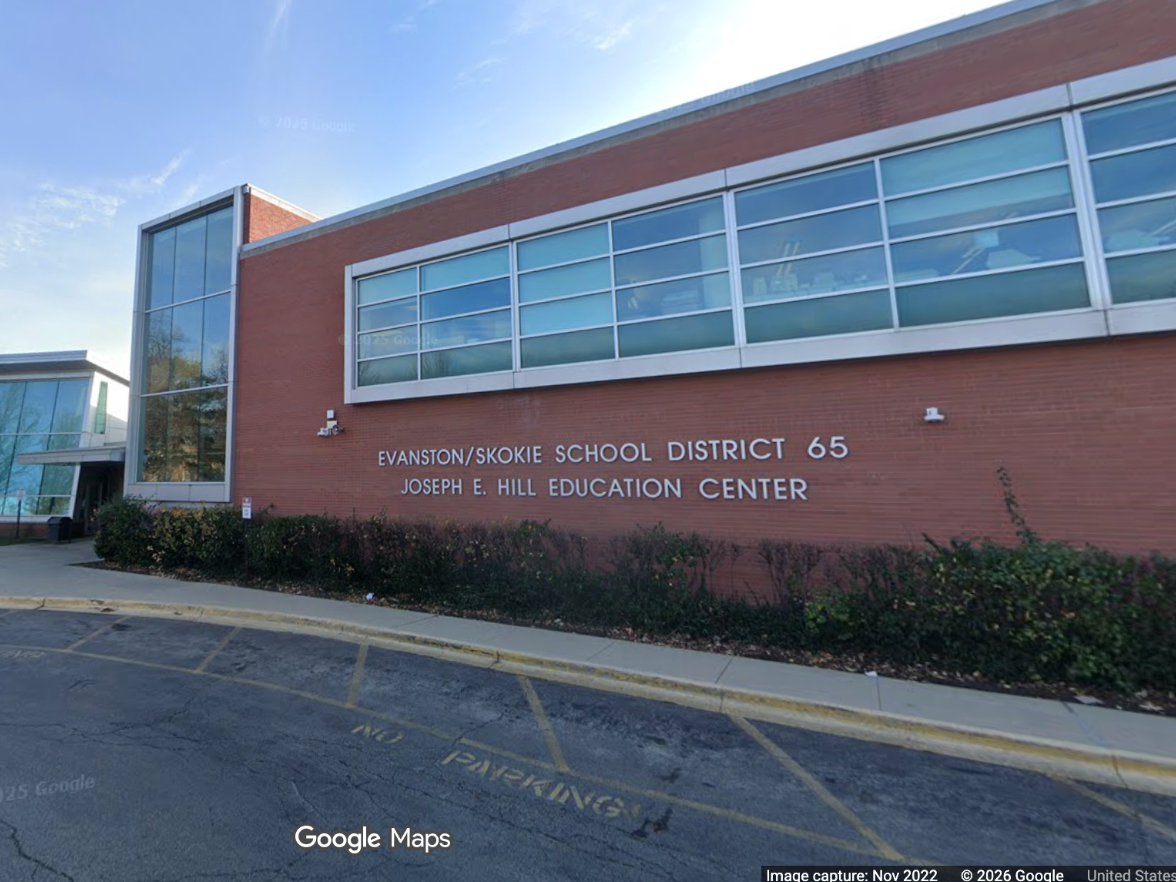
EVANSTON, IL — Aldermen directed plan commissioners to proceed with drawing up zoning regulations that could permit multiple recreational marijuana dispensaries in Evanston. The City Council unanimously adopted a resolution Monday directing the Evanston Plan Commission to draw up changes to the city code to allow cannabis-related business through a special use permit.
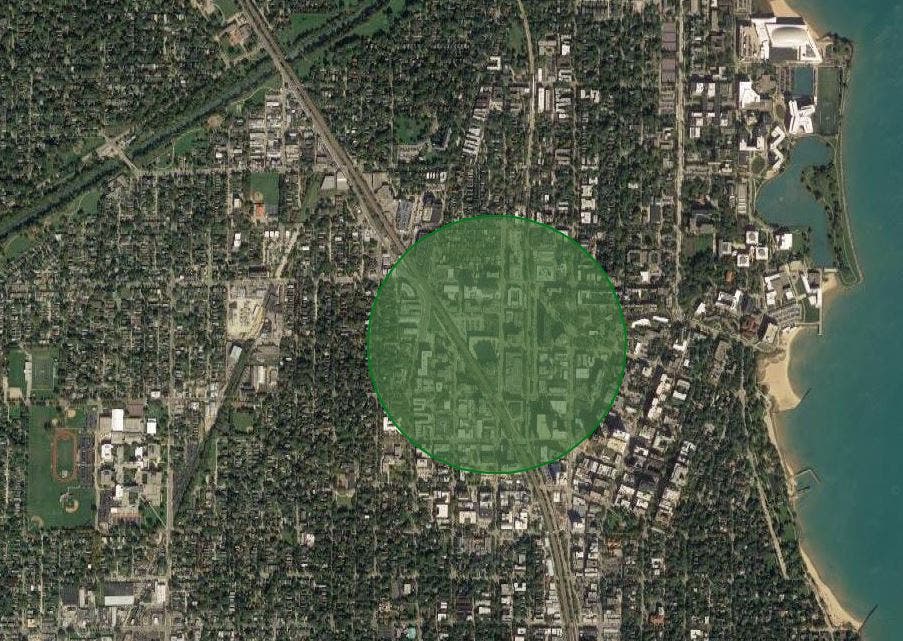
Some councilmembers also suggested loosening the city's zero tolerance policy for employees, requiring shorter buffer zones than medical facilities or potentially restricting cannabis-related businesses to the downtown area once all residents are allowed to possess and consume up to about an ounce of marijuana.
Corporation Counsel Michelle Masoncup said she "can't begin to understand what 30 grams of 'flower' or 'raw' or 5 grams of 'concentrated' means, but these are the limitations." She said staff wanted feedback from aldermen about regulations for local commercial marijuana businesses.
Find out what's happening in Evanstonfor free with the latest updates from Patch.
"We want to know how you want to regulate it," Masoncup said. "So this is the beginning of the discussion."
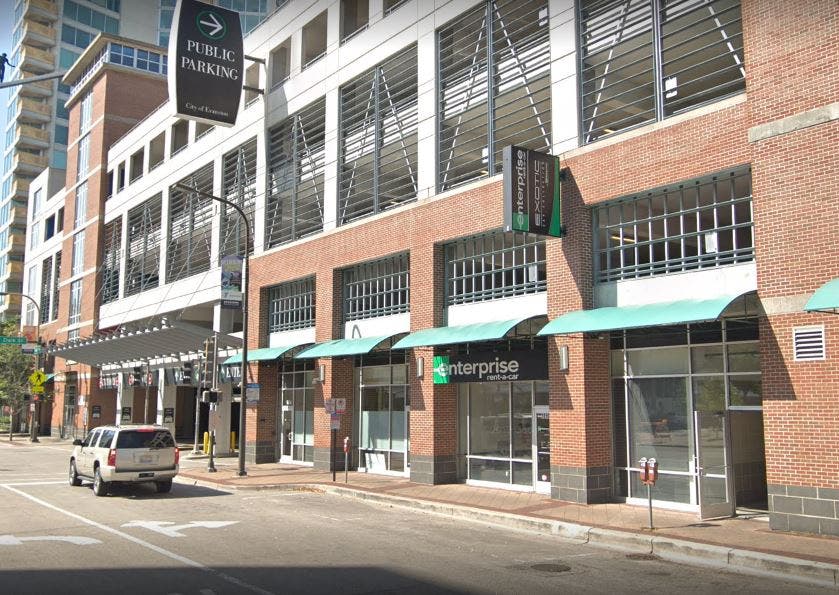
Interim City Manager Erika Storlie said the top priority for staff at the moment was completing updates to city code that would allow Evanston's existing medical cannabis dispensary, which operates out of a city-owned downtown parking structure, to be ready to sell adult-use cannabis to consumers at the start of next year.
Find out what's happening in Evanstonfor free with the latest updates from Patch.
PharmaCann, which has operations in at least four states, is seeking a "same-site" license from state regulators for its downtown Evanston dispensary. That would expand sales at the 1804 Maple Ave. location to all customers 21 and over. The company was sold to Los Angeles-based MedMen in a $682 million all-stock deal that was reportedly the largest acquisition of a cannabis company in U.S. history when it was announced last year. It operates dispensaries under the Verilife brand name, according to its website.
In Illinois, it runs medical dispensaries in Arlington Heights, North Aurora, Ottawa and Romeoville and production facilities in Dwight and Hilcrest. The company could also be permitted to acquire an additional license for one recreational dispensary for each of its five existing medical licenses, as long as they are established within the same metro areas. Representatives of the company have not responded to a request for more information about its expansion plans.
Jeremy Unruh, the firm's director of regulatory affairs, left a job as a partner in a Chicago law firm four years ago to co-found PharmaCann. He told aldermen he believed Evanston is the only municipality in the country that operates as landlord to a cannabis dispensary. The lease agreement between the city and the company, which expires in December 2021, will need to be revised to allow sale of recreational marijuana there, according to city staff.
"I hope we have been a good neighbor these five years, and I have every intention of continuing that relationship," Unruh said. He estimated the Evanston dispensary could generate about $20 million in total annual revenue. If the City Council adopts the maximum cannabis sales tax of 3 percent, combined with Evanston's existing 1 percent municipal sales tax, that would result in an extra $800,000 a year in tax revenue for the city.
"You folks need to kind of figure out how you want to come to this in terms of a social equity piece, a revenue piece and a harm reduction piece, and then lay your zoning out accordingly," Unruh told aldermen at their Sept. 16 meeting. "Especially given the fact that you're right on the border of Chicago."
"Economics-wise, it'll be interesting to see," said 4th Ward Ald. Don Wilson. "Rumor has it there's another existing market for people getting cannabis here and there."
"What do you mean by that, Don, Alderman Wilson?" deadpanned 2nd Ward Ald. Peter Braithwaite.
Ahead of any potential changes to the city's personnel manual, Braithwaite suggested the city's human resources staff look into surveying city employees to ascertain how they would feel about co-workers being permitted to consume cannabis.
The medical cannabis act includes mandatory 1,000-foot buffer zones keeping dispensaries away from school and day care facilities.
"Day cares are everywhere in Evanston," zoning staff discovered after the medical marijuana pilot program began, restricting potential medical dispensaries from much of town, Masoncup told aldermen.

The only distance requirement for adult-use dispensaries written into the Cannabis Regulation and Tax Act, which legalizes cannabis possession for those over 21, is a minimum distance of 1,500 feet between dispensaries.
According to the law, when it comes to recreational use, it's entirely within the discretion of municipalities what kind of distance requirements they want to establish for schools, parks or any other uses.
PharmaCann's Unruh, a Winnetka resident and former Cook County prosecutor, said the Maple Avenue location was one of just two available commercial locations that met the state distance requirements when the company received the state license for its Evanston dispensary four years ago.
Ald. Melissa Wynne, 3rd Ward, expressed some worry about demand outstripping supply and the capacity of the space to handle an increased appetite for cannabis after legalization of commercial sale in January. Unruh said his company had contracted to have off-site parking and shuttle transport for consumers when it confronted a similar issue around legalization in suburban Boston.
"My thoughts, without any research yet, are limiting this type of business to the downtown area, but I'm just not informed enough for us to be making any final action," said 5th Ward Ald. Robin Rue Simmons said.
Wilson said he would be in favor of "some sort of rational distance parameters" and potentially allowing cannabis infusion businesses to operate in areas zoned for industrial use.
No member of council suggested having any interest in amending the city code to pave the way for allowing on-site cannabis consumption at local businesses.
Ald. Cicely Fleming, 9th Ward, said she was most concerned with how the city's police department handles legalization and how the city updates its personnel policies.
"I think with the social equity piece it's really important that we make sure that we are not going to further penalize people," Fleming said.
Other than for those who are operating heavy machinery and the like, she said it would be "heavy-handed" to keep the city's zero tolerance policy in place for those that test positive for THC, the psychoactive ingredient in marijuana.
"I just feel like in this city that wants to be very progressive to tell our 311 operator that they cannot participate in something that is now no longer illegal in the state. We wouldn't tell someone they can't go home and drink beer, which is also legal, and we know you can be impaired and such with alcohol as well," Fleming said. "Obviously, we want our employees to not come to work impaired but I would really caution us to be very clear about what that means — if we do do drug testing and someone is positive for something — that we're very clear about that."
In addition to Evanston, Skokie, Niles, Northbrook, Buffalo Grove and Arlington Heights have begun the process to allow recreational cannabis sales.
Several North Shore communities have planned upcoming public hearings to evaluate how to potentially regulate cannabis retailers. Others have already taken steps to prohibit them. In Wilmette, village officials are on track to ask voters in a referendum next year whether the village should permit cannabis-related businesses.
Chicago is set to allow cannabis sales, although Mayor Lori Lightfoot wants it restricted in the Loop or the Magnificent Mile, the Chicago Tribune reported. Draft regulations presented at the Chicago City Council Wednesday provide for a 500-foot buffer around schools, to geographically distribute licenses among seven zones and restrict any cannabis dispensaries in most of the central business district.
The Evanston Plan Commission will continue discussions Wednesday before drafting up proposed changes to the city code and sending its recommendations to the Planning and Development Committee of the City Council.
City staff recommended the plan commission take up more rules for other cannabis-related businesses, including infusers, small-scale grow operations and other businesses after January. Storlie said the city planned to hold additional community meetings about cannabis legalization in the fall.
Related:
Get more local news delivered straight to your inbox. Sign up for free Patch newsletters and alerts.