Health & Fitness
Mike Bruno: The Necessity of Blue-Sky Thinking
At least one candidate is wrong on the value of the Downtown/Station-area Master Plan

As you may know, I am running for alderman of Geneva’s 1st Ward. I have expressed opinions in print and written on items that have rubbed some people the wrong way. Look up my pieces on gun control, church/state separation, partisan politics, the presidential election, evolution and contraception. I know full well that my statements will cost me votes this April 9th. I am comfortable with this because I would not want to be pandering or otherwise water down my thinking for political gain. If am fortunate [or unfortunate?] enough to prevail this April 9th, you will know exactly what you are getting.
I have been biting my tongue on one thing though. Though I am new to electoral politics; it seemed good protocol to withhold commentary on other local races. In particular, I have been hesitant to wade in on the mayoral campaign between Mr. Burns and Mr. McQuillan. After all; I may be serving alongside one of them soon. There may be bridges that shouldn’t be burned.
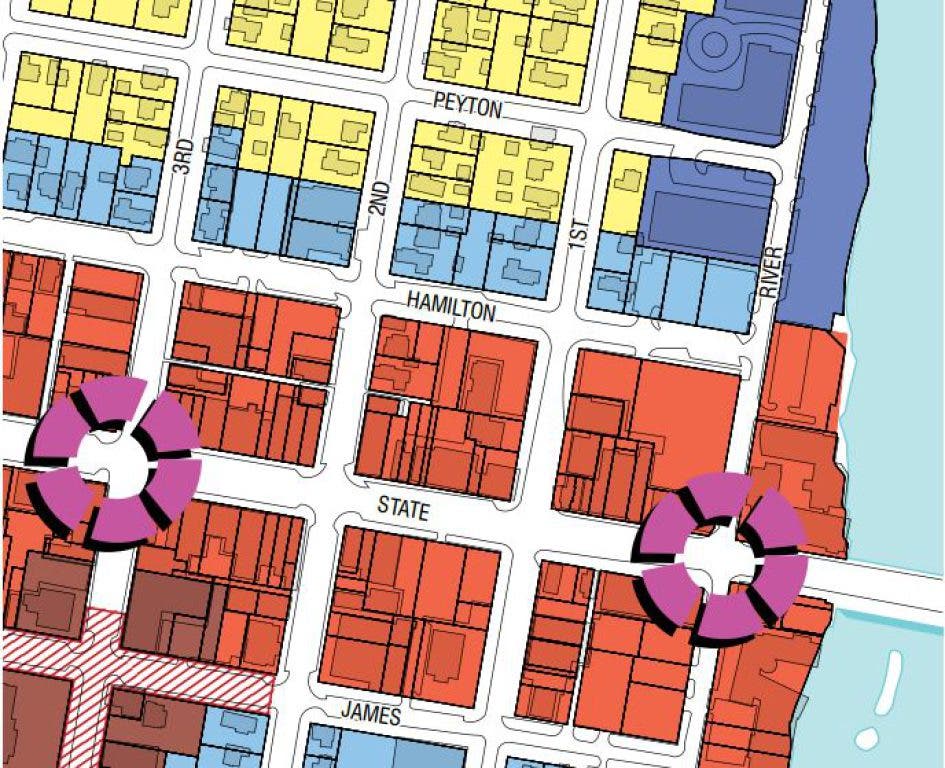
Well, that silence ends today. Having read (a number of times) Mr. McQuillan’s piece on Geneva’s Downtown/Station-area Master Plan, I was somewhat gobsmacked that a candidate for the mayor of our city, could be so dismissive of the value of long term planning and blue-sky visions.
Geneva is the gem that it is because we DO think long term and we DO dream big and we DO have a vision for what the city might be. Could it be that Mr. McQillan doesn’t understand the importance of aspirational goals or what the intent of the Downtown/Station Area Master Plan is? Sure the process cost us money, but the process clearly has a history of paying off given that we are nationally recognized as one of the best places to live and raise a family.
It seems a too-common misconception that the Master Plan is some sort of punch list for dozens of expensive referenda, building projects and exercises of eminent domain. But the Master Plan is a vision of what we can do to redress some of the problems we have, build on the things that work well and, importantly, keep us from make decisions for expedience that will interfere with a grander vision. Only a tiny fraction (e.g. infrastructure) of such a vision would come from public coffers...and only when it made sense to make those investments.
The analogy of raising a child comes to mind. We don’t prepare our children for future independence by saying “What are you going to do in the future?” and think we are done when they ask the neighbors to mow their lawns. We, hopefully, help them create a vision for themselves so that they can seek and find the guideposts leading toward that vision. That long-term vision will help them define their education, personal investments and personal commitments. Mowing the neighbor’s lawns may be part of that, but it’s often just a point of transition.
Importantly, that long term vision may [and almost certainly will] change. We may look out 25 years for the city or for our own personal journey, but there will be discoveries along the way. Our child may have an interest in engineering early on but may uncover an overwhelming passion for music or art or public service and life’s master plan will change accordingly.
Long term master plans must be blue-sky and aspirational. Mr. McQillan says that we have to “stay grounded in reality”. That reality is not eschewed. Reality sits with all the small, incremental decisions that we make while moving toward our vision. Over time, that blue-sky vision can become its own reality...but by then, we should already have been looking another 25 years out.
I hope to have your support on April 9th
Mike Bruno
Mike@MikeBrunoGeneva.com
www.MikeBrunoGeneva.com