Politics & Government
Hinsdale Brick Street May Go To Voters
Sixth Street residents expressed disappointment and said they wouldn't give a "blank check" to the village.


HINSDALE, IL – Hinsdale voters may decide whether the village should pay an extra $2 million to keep a brick street, the village president said Monday.
At a Village Board meeting, Sixth Street residents opposed the idea that they pay more than $10,000 a year for a decade to keep their street brick.
One resident vowed to spend $100,000 for a class action lawsuit against the village if it pursued such an arrangement.
Find out what's happening in Hinsdale-Clarendon Hillsfor free with the latest updates from Patch.
Sixth Street is all brick for four blocks – from Garfield Avenue to County Line Road.
The village said it needs to redo that section of the street. It is willing to spend $800,000 to keep the intersections and crosswalks brick.
Find out what's happening in Hinsdale-Clarendon Hillsfor free with the latest updates from Patch.
But the village said it would cost an extra $2 million to keep the rest of the street brick. Instead, officials proposed to convert it to asphalt.
At the meeting, Village President Tom Cauley said the costs could be spread to homeowners in the entire Robbins Park Historic District, not just Sixth Street. That would require the agreement of the other residents.
Another alternative, Cauley said, would be putting the issue on the ballot in November, asking whether the costs should be spread among all property owners.
As it is, Cauley said he couldn't look at residents with a "straight face" and have them cover $2 million in extra costs for one street.
Sixth Street residents said keeping the brick would be part of Hinsdale's overall historic preservation effort. They said their street has cost the village nothing in maintenance over the last seven decades.
Sixth Street resident Monica Mossburg asked to read a letter signed by a couple of dozen residents pushing for the village to spend the extra $2 million on their street. The letter was sent earlier to the Village Board.
Cauley said he would rather she not read the letter, saying it would be a waste of time because the trustees had already seen it.
But Mossburg said she wanted to read it so that everyone would know what it says. Cauley relented.
The letter accused Cauley of having no real interest in historic preservation. And it said the village benefitted financially from not having to invest any money in the street for the better part of a century.
"The fact that the village has made a proposal on payments and financing with no input from impacted homeowners is astonishing and disappointing," the letter said. "We are not willing to commit in any capacity a blank check to the village of Hinsdale."
Over the holidays, the letter said, the village created arbitrary deadlines for the formation of a special taxing district for Sixth Street.
"While President Cauley did host a meeting with Sixth Street residents, this was only after the Patch had published an article indicating initial plans from the village regarding the creation of a (special taxing district)," the document said.
In response, Cauley said the village's plan to spend $800,000 for a partial brick street shows it is interested in historic preservation. The extra $2 million, he said, is a "hard swallow for us."
"The argument that brick streets last forever is a good argument," he said. "But if you follow that argument, why don't we do every street in Hinsdale in brick? We'd be broke in a year."
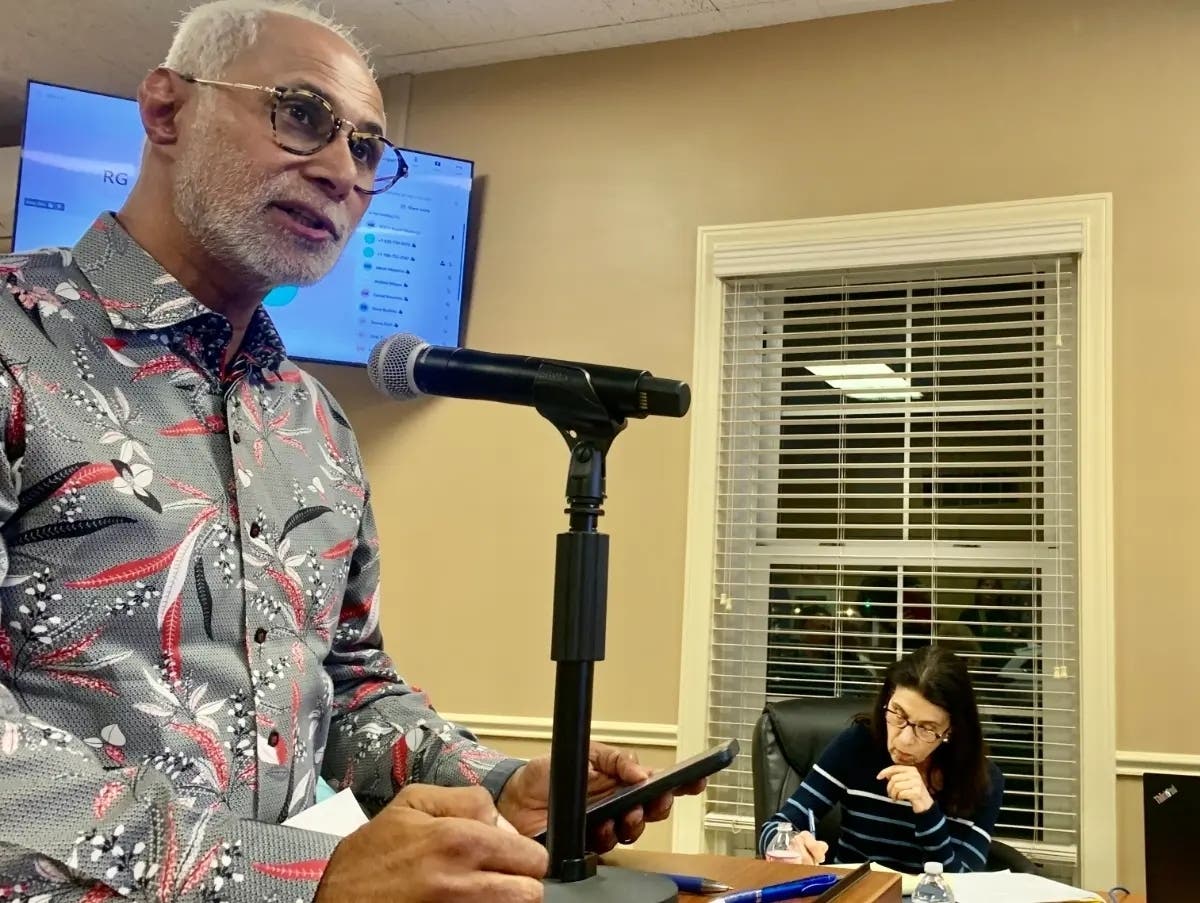
Another Sixth Street resident, Bill Haarlow, a member of the village's Historic Preservation Commission, read a letter from a neighbor, David MacNeil.
In his letter, MacNeil took exception to the village's effort to get Sixth Street residents to pay.
"I'm sure our property values will take a hit all of a sudden when we become homes on an asphalt street. If our properties are burdened with some special assessment, then that will also lower our property values," MacNeil said in the letter.
MacNeil suggested residents may have to sue the village.
"I'll kick in $100,000 to prove my legal point because I'm offended to the core by the mere thought of a resident having to rebuild a historic street properly," MacNeil said.
After reading the letter, Haarlow said the village issued late communications and set arbitrary deadlines on the Sixth Street project.
"This is almost everybody on these affected blocks," Haarlow told the board. "They are pretty angry about how this has been handled."
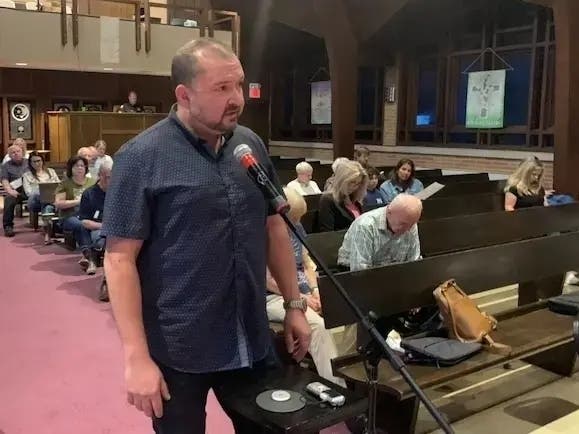
Still another Sixth Street resident, Ryan Trombly, asserted the brick street benefits all of Hinsdale.
At one point, Cauley sought to correct Trombly's costs for the project, prompting the resident to say, "Whatever it is."
Cauley responded, "'Whatever it is' causes villages to go bankrupt. 'Whatever it is' is why people can't pay their bills. I'm not a 'whatever it is' kind of guy."
Cauley said the village wanted to know by March 1 whether Sixth Street residents chose to form a special taxing district.
Otherwise, Hinsdale could ask the entire neighborhood whether it wanted to pay or go to voters in November, he said.
Get more local news delivered straight to your inbox. Sign up for free Patch newsletters and alerts.