Politics & Government
Hinsdale Fights Federal Prosecutors' Lawsuit Over Fair Housing
The village said it never denied the rights of those living in a sober living house.


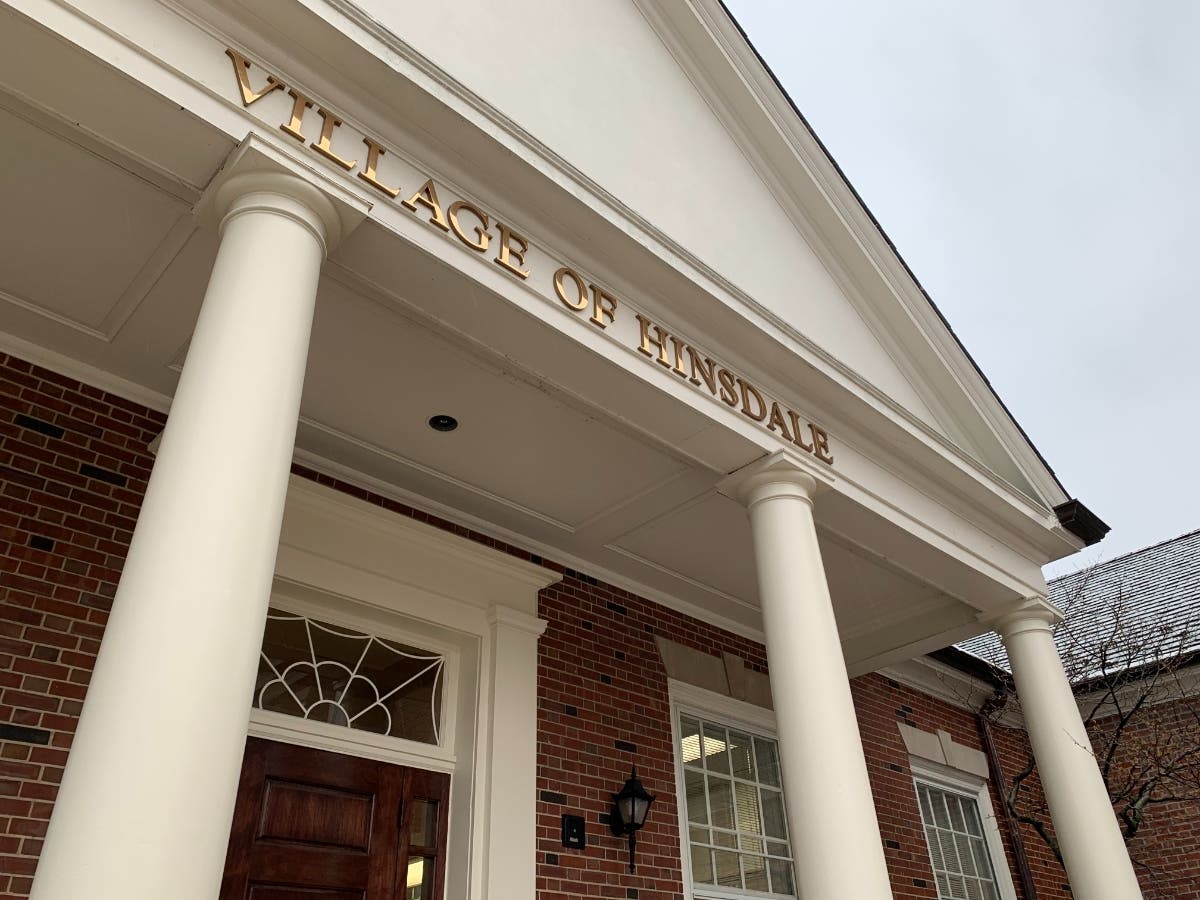
HINSDALE, IL — Hinsdale is asking a federal judge to throw out the U.S. Department of Justice's lawsuit alleging the village violated the Fair Housing Act.
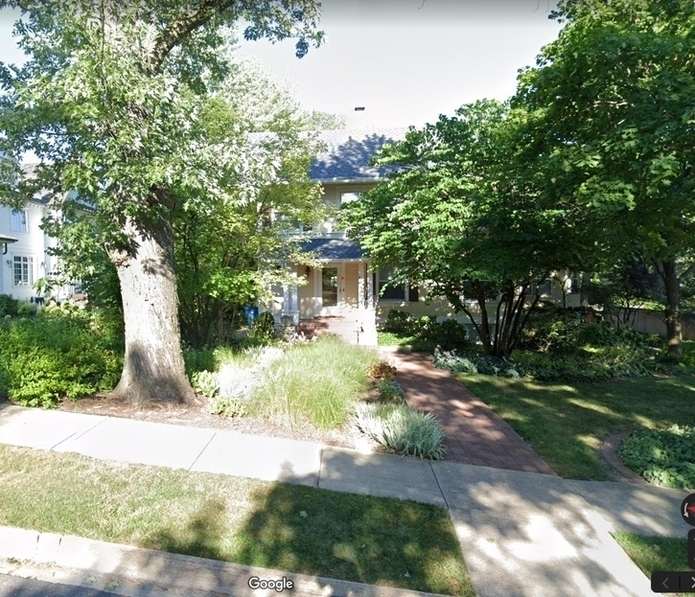
In November, federal prosecutors sued the village over its effort to close the Trinity Sober Living House at 111 N. Grant St. It opened in July 2019, prompting almost immediate objections from neighbors.
In response, the village called for the house's closure, saying it was a commercial operation in a residential neighborhood. And it said the house violated the village's rule for single-family zones — no more than three unrelated people in a house.
Find out what's happening in Hinsdale-Clarendon Hillsfor free with the latest updates from Patch.
Late last month, the village's lawyers responded to the federal government'as lawsuit, saying it had no basis. It noted Trinity, which was for men with addictions, closed the home in November 2020.
"The Village's single attempt to enforce the Code against one group home — now moot — does not amount to a 'pattern or practice' under the (Fair Housing Act)," the lawyers wrote. "Plaintiff similarly cannot allege any 'denial of rights' under the FHA, because Trinity residents lived at the House unencumbered until Trinity decided to leave on its own accord."
Find out what's happening in Hinsdale-Clarendon Hillsfor free with the latest updates from Patch.
The village further alleged Trinity never made any good faith request for accommodation under the Americans With Disabilities Act.
The lawyers also said prosecutors failed to show that addressing any person's disability made it necessary for 10 unrelated people to live in the sober house in a single-family zone, as opposed to elsewhere in Hinsdale. Such a house, the village said, would have fundamentally altered the zoning scheme for the area.
As part of its request to dismiss the lawsuit, the village released its correspondence with Trinity's executive director, Michael Owens, and Trinity's lawyers. In an August 2019 letter, the village told Trinity's lawyer that Owens misled neighbors about what he was planning for the house.
This, the village said, was part of Owens' effort to "secretly pursue his business" without going through the village for approval.
In an interview Thursday, Owens, who filed a federal lawsuit against Hinsdale, said he did not tell neighbors at first about his plan for the house.
"First of all, as a homeowner buying a home, I don't believe I owe anyone an explanation about what I'm doing with the home," he said. "The plan for me after moving in was to go and talk to some of the neighbors."
Beforehand, though, one of the neighbors across the street discovered information about the plan and peppered Owens with questions about who was moving in, he said.
"It took me aback. I said my family was moving in. She didn't know it was my Trinity family. Shortly after that, within a few days, the rest of the neighbors knew," Owens said. "Then the village sent me a letter not long after."
Two days after Owens met with the village's lawyer and two members of the village's administration, he said, the village filed a lawsuit in state court against the house.
"There was a lot of harassment from the village," he said.
Hinsdale failed to persuade a state judge in its effort against the sober house.
Brook Long, the village's attorney dealing with the Department of Justice's lawsuit, couldn't be reached for immediate comment Thursday.
According to the federal lawsuit, the village failed to consider a "reasonable accommodation" for a home with people with addictions. That is required for people with disabilities under the Fair Housing Act, the lawsuit said.
The federal government said Hinsdale's argument that Trinity was a commercial operation and thus prohibited would essentially ban all group homes for people with disabilities.
After finding out in early November that the federal government would sue, village officials dropped the argument about the house being a commercial operation, according to the lawsuit.
A couple of weeks after the lawsuit was filed, Village President Tom Cauley, an attorney himself, responded with a statement, saying the village would "actively" fight the lawsuit.
Get more local news delivered straight to your inbox. Sign up for free Patch newsletters and alerts.