Politics & Government
Housing Fight: Hinsdale Gets 'Favorable' Ruling
The village leader, who rarely speaks publicly about costly housing litigation, hails a recent court victory.


HINSDALE, IL – A federal judge last month threw out a sober living home's claim that Hinsdale retaliated against the home by suing it in state court.
Hinsdale is fighting federal lawsuits by Trinity Sober Living and the U.S. Department of Justice. Both allege the village violated the group home's rights under the federal Fair Housing Act.
The litigation has cost the village more than $1.5 million.
Find out what's happening in Hinsdale-Clarendon Hillsfor free with the latest updates from Patch.
After Trinity filed its original lawsuit, it added a claim that it was the victim of retaliation when the village sued the home in DuPage County Court.
At the time, only one person lived in the home at 111 N. Grant St., but Trinity planned on having up to 10. Under village zoning regulations, no more than three unrelated people can live in a house in a single-family housing zone.
Find out what's happening in Hinsdale-Clarendon Hillsfor free with the latest updates from Patch.
In its lawsuit, Trinity alleged the village was trying to prevent it from opening a group home.
But in a Dec. 19 ruling, U.S. District Judge Robert Gettleman said nothing stopped the village from filing a preemptive lawsuit. The judge concluded Trinity failed to plausibly allege that the village's lawsuit was a sham.
In its lawsuit, Trinity said it had a right to a "reasonable accommodation" under federal laws because people suffering from addictions belong to a protected class. Trinity noted the village's lawsuit was filed the day after it received the group's home's request for an accommodation.
But the judge said Trinity's own evidence indicates the village's draft lawsuit was completed days before officials received the accommodation request.
That, Gettleman said, demonstrated the village was seeking to enforce its zoning code, rather than preparing to retaliate against the group.
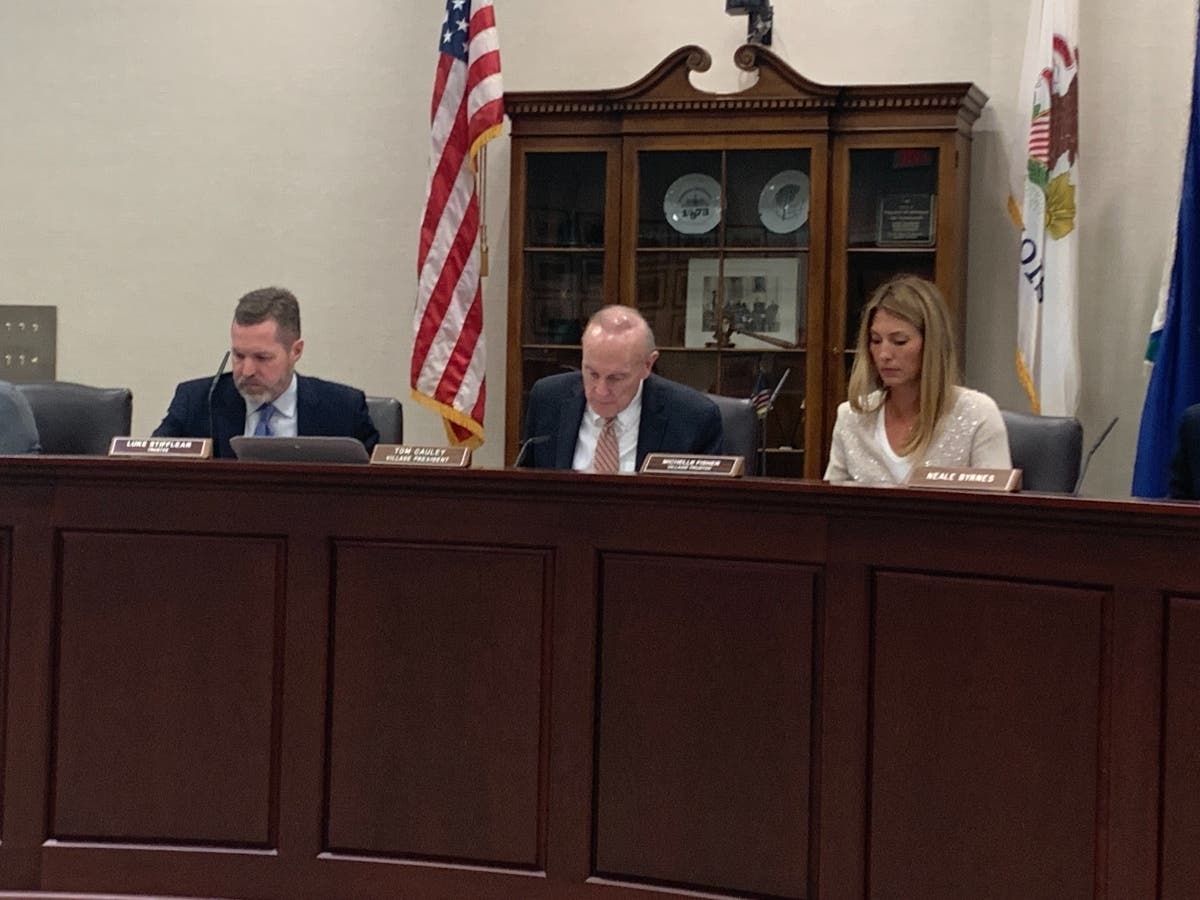
At Tuesday's Village Board meeting, Village President Tom Cauley, who rarely discusses the litigation publicly, called the ruling "very favorable." He read passages from the document.
The other claims in Trinity's lawsuit still stand. No trial date has been set.
In an interview Wednesday, Trinity's executive director, Michael Owens, said he feels "very positive" about the case. He is hoping for a jury trial by year's end.
"Next week, we start depositions with our seven expert witnesses. We feel really good about the previous depositions that were taken," he said. "We would like to move back into Hinsdale at some point and open up another house. We just want to be peaceful neighbors."
When Trinity opened in July 2019, it drew almost immediate objections from neighbors.
In response, the village called for the house's closure, saying it was a commercial operation in a residential neighborhood. And it said the house violated the village's rule for the number of unrelated people in a single-family housing zone.
Shortly before the federal government sued in November 2020, the village backed down on its argument that the group home was a commercial operation.
Trinity moved out of its Hinsdale house in late 2020. It has a house in Bensenville.
In spring 2021, the Village Board approved a new policy for "reasonable accommodation" requests for group homes. In their discussion, trustees did not mention the federal lawsuit, the likely impetus for the policy.
Get more local news delivered straight to your inbox. Sign up for free Patch newsletters and alerts.