Crime & Safety
Man Sentenced To 6 Years For 2016 Lockport Drug-Induced Homicide
Steve Talbot, of Joliet, pled guilty to one count of drug-induced homicide, which is a class X felony.


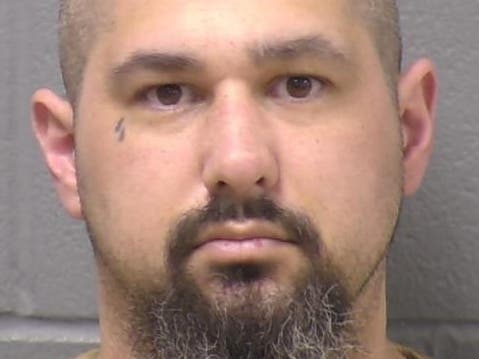
LOCKPORT, IL — A 36-year-old Joliet man has been sentenced to six years in prison for selling heroin and fentanyl to a 24-year-old woman who died of an overdose in Lockport in 2016, according to the Will County State's Attorney's Office.
Steve Talbot, of Joliet, pleaded guilty to one count of drug-induced homicide, which is a class X felony.
The state's attorney's office said on Nov. 29, 2016, victim Celeste Roppo was found unconscious in her home in Lockport by her family. She was taken to Silver Cross Hospital, where she was pronounced dead.
Find out what's happening in Homer Glen-Lockportfor free with the latest updates from Patch.
Medical personnel recovered suspected drugs in her clothing that the Illinois State
Police Crime Lab confirmed to be .1 gram of heroin and fentanyl, according to the state's attorney's office.
Following an investigation, officers recovered messages about the drug exchange between the victim and Kiley Murphy, of Elwood, who was sentenced in March to 10 years in prison in the 2016 Lockport overdose.
Find out what's happening in Homer Glen-Lockportfor free with the latest updates from Patch.
Talbot was present with Murphy at the time the drugs were purchased and exchanged, the state's attorney's office said. An autopsy revealed the victim died of fentanyl intoxication.
“Fentanyl is 50 times more potent than heroin and 100 times stronger than morphine. Just two
milligrams of fentanyl is lethal; that’s an incredibly miniscule amount, equal to 10 to 15 grains of
table salt,” State's Attorney Jim Glasgow said in a release. “Unscrupulous dealers commonly lace other drugs, such as heroin, cocaine, and methamphetamine, with the cheaper fentanyl to increase the high and entice the addicted drug user to come back for more, inflating their profits at the expense of the victims.”
Glasgow noted that overdose deaths in the United States exceeded 100,000 for the first time in
2021 — fueled by the increase in synthetic opioids like fentanyl, which accounted for 75 percent
of those deaths.
Get more local news delivered straight to your inbox. Sign up for free Patch newsletters and alerts.