Crime & Safety
Kearns' Self-Inflicted Gunshot Tied To Impaired Judgment: Bretz
During questioning of several medical professionals, defense attorney Chuck Bretz asked, "it's simply not normal to be cutting your arm?"


JOLIET, IL — The final two months of Katie Kearns' life included multiple visits to psychiatrists plus one emergency room visit to Silver Cross Hospital because Kearns had cut her forearm in hopes of relieving the stress, according to Monday afternoon's trial testimony.
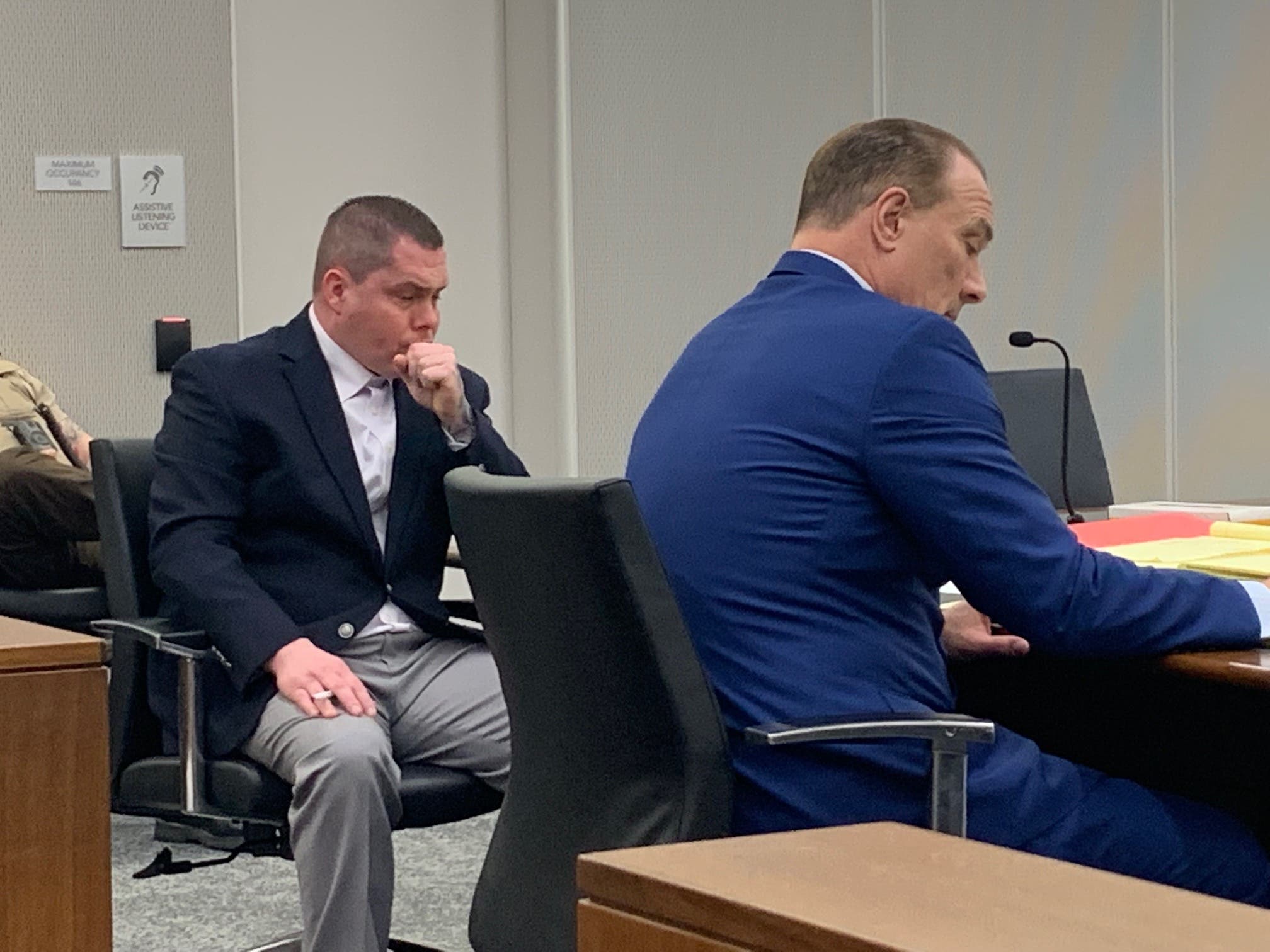
Chuck Bretz, lawyer for first-degree murder defendant Jeremy Boshears, called five witnesses in the medical profession after the Will County State's Attorney's Office finished presenting its evidence in the jury trial against the Joliet Outlaw motorcycle club member.
Bretz aims to convince the jury that the 24-year-old Joliet bartender was exhibiting impaired judgment during the early morning hours of Nov. 13, 2017, when she was nearly three times the legal limit to be considered drunk, and was using cocaine.
Find out what's happening in Jolietfor free with the latest updates from Patch.
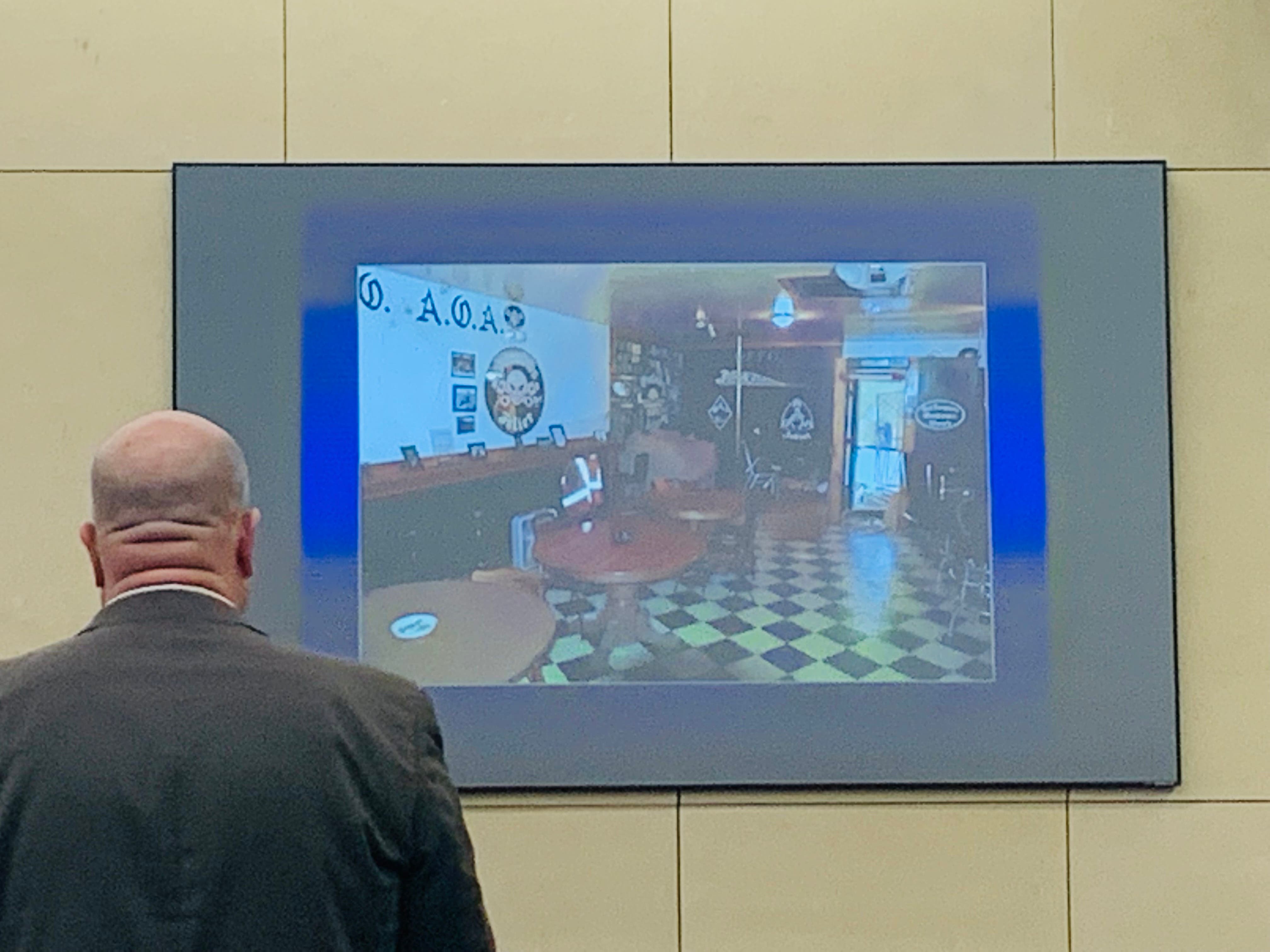
Bretz maintains Kearns grabbed a loaded gun from inside the Joliet Outlaws clubhouse and put the muzzle against her head, pulling the trigger around 2 a.m.
Dr. Lee Weiss was a psychiatrist from 1970 until retiring in January. In the fall of 2017, Weiss worked for Advocate Medical Center when Kearns became a new patient. Kearns talked about recurring panic attacks, frequent mood swings, high anxiety levels and grief from her mother's death from several years earlier.
Find out what's happening in Jolietfor free with the latest updates from Patch.
"She was off meds for nine months," Dr. Weiss testified, referring to Kearns.
Her new psychiatrist prescribed a number of medications, which Bretz referred to as stabilizers and tranquilizers.
Kearns denied any illicit drug use, but told Weiss she was an everyday smoker. She owned no guns, and she considered herself to be a social drinker of alcohol.
Dr. Weiss described Kearns as having "racing thoughts."
"You referenced her for psychotherapy?" Bretz asked his witness.
"Correct," Weiss replied.
Bretz asked if pairing alcohol and Xanax could have impaired Kearns' judgment during her final moments alive inside the Joliet Outlaws clubhouse?
"It's a possibility," Dr. Weiss answered.
Then, Bretz brought up cocaine.
The toxicology report showed Kearns had a blood alcohol concentration of 0.212. She also tested positive for Xanax, oxcarbazepine, Citalopram, cocaine and cocaine metabolites.
"Well, just using cocaine for someone like her, it's not a good thing to do," Weiss testified.
A month before Kearns died, Dr. Weiss saw her for a follow-up appointment.
"As far as I could tell, there was no active cocaine use," Weiss testified.
In late October 2017, Kearns told her new psychiatrist that her ex-boyfriend took her pills and took her car, crashing it. She told him that legal proceedings were underway, and she had missed one of her therapy sessions.
"And we started her on medication," Weiss testified.
During cross-examination from Assistant Will County State's Attorney Dan Egan, the defense witness acknowledged he never saw any evidence of suicidal ideation from Kearns.
"Well, you're trying to determine if something is imminent there, in which case you call the nearest emergency room and have them take her to the nearest emergency room," Weiss told the jury.
In many of his determinations of whether a person is suicidal, Dr. Weiss said he relies upon the person's honesty as well as information supplied by their family members.
"In her case, it was just her," he testified.
After Dr. Weiss testified, Bretz called Cheryl Long, a social worker employed with Advocate Medical Group with 27 years in the profession.
Long told the jury that Kearns was diagnosed with bipolar disorder. Kearns was finding it "hard to focus," and having "very little enjoyment in life," according to Long's testimony.
Kearns also engaged in "kind of risky behavior" that would involve a drinking spree or a spending spree.
"Her mood was not euphoric, not happy," Long told jurors.
On the other hand, Kearns did not indicate she had any thoughts of suicide.
"I noted ... she didn't have the ability to control her behaviors and make wise decisions," Long testified.
Kearns told her she had a strained relationship with her father, and she was still struggling to come to grips with her mother's death when Kearns was a teenager, according to Long.
Unlike her appointment with Dr. Weiss, Kearns told Long about "having issues of drinking too much and occasional uses of cocaine," the jury heard.
Kearns told Long how she had cut her arms back in seventh and eighth grade, and how Kearns' "history of cutting" herself recently resumed.
During the October 2017 meeting with the social worker, the goals set for Kearns included attending AA meetings, managing her anger, staying sober and not self-injuring herself.
"And she never came back to see you?" Bretz asked.
"No," Long agreed.
April Balzhiser, program director for Silver Oaks Behavioral Hospital in New Lenox, worked at Silver Cross Hospital as a social worker in the emergency room in October 2017.
She interviewed Kearns about three weeks before she died from the gunshot wound in the Joliet Outlaws clubhouse.
Kearns drove herself to the Silver Cross Hospital emergency room after cutting her forearm. According to the summary of Balzhiser's interview, Kearns had never been suicidal or homicidal, she was seeing a psychiatrist and she "had not had her medications for a week" because "a guy in her life crashed her car."
During questioning from Bretz, Balzhiser testified how cutting can be "a coping mechanism." And "it's not something I would recommend, no."
"Does the cutting have anything to do with impulsiveness?" Bretz inquired.
"It certainly could," Balzhiser replied.
During cross-examination from Egan, Balzhiser testified that hair-pulling, skin scratching, burning and cutting are all distinct examples of "coping mechanisms."
As for her face to face interview in the Silver Cross emergency room, Kearns did not talk about having any thoughts suggesting she would be better off dead. She did not have a suicide plan or a homicide plan, Balzhiser told the prosecutor.
"So Miss Kearns was allowed to go home?" Egan asked.
"Correct," she answered.
The Boshears trial will resume late Tuesday morning after Will County Judge Dave Carlson wraps up his normal morning court call. The defense expects to call several more witnesses. The trial is expected to finish later this week.

Get more local news delivered straight to your inbox. Sign up for free Patch newsletters and alerts.