Crime & Safety
Safety Bulletin: Basic Cold Weather Safety Tips
Take proper safety precautions and check on elderly neighbors, friends and relatives.


Submitted by the La Grange Park Police Department.
Some basic cold weather safety tips from the American Red Cross are listed below.
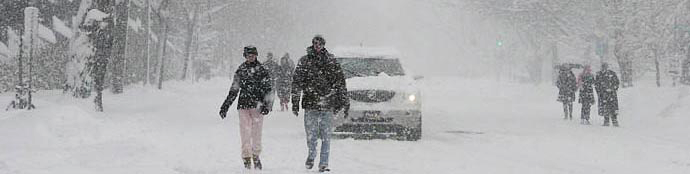
As cold winter weather is upon us, we want to remind residents to take proper safety precautions for themselves and to check on elderly neighbors, friends and relatives to be sure they are doing ok as well.
Find out what's happening in La Grangefor free with the latest updates from Patch.
SAFETY AT HOME
If the power goes out, use flashlights to provide light. Do not use candles for lighting. Don’t forget your pets - bring them indoors. If that’s not possible, provide adequate shelter to keep them warm and make sure they can get to unfrozen water. Other tips include:
Find out what's happening in La Grangefor free with the latest updates from Patch.
- Prevent frozen pipes - when the weather is very cold outside, open cabinet doors to let warm air circulate around water pipes. Let the cold water drip from the faucet served by exposed pipes. Running water through the pipe - even at a trickle - helps prevent pipes from freezing.
- Keep the thermostat set to a consistent temperature.
- Never use a stove or oven to heat your home. Keep a glass or metal fire screen around the fireplace and never leave a fireplace fire unattended. If using a space heater, follow the manufacturer’s instructions on how to safely use the heater. Place it on a level, hard, nonflammable surface. Turn the space heater off when you leave the room or go to sleep. Keep children and pets away from your space heater and do not use it to dry wet clothing.
- Use a sturdy fire screen around fireplaces when in use. Burn only wood - never burn paper or pine boughs.
- Use generators correctly -never operate a generator inside your home, including the basement or garage. Do not hook up a portable generator directly to your home’s wiring. The safest thing to do is to connect the equipment you want to power directly to the outlets on the generator.
- Check smoke alarms once a week by pressing the test button and replacing batteries as necessary.
- Don’t overload your electrical outlets.
IF YOU VENTURE OUTSIDE
Wear layered lightweight clothing to keep warm. This works better than a single heavy coat. Gloves (or mittens) and a hat will prevent loss of body heat. Cover your mouth to protect your lungs. Wear waterproof, insulated boots to keep your feet warm and dry and to maintain your footing in ice and snow. You should also:
- Walk carefully on snowy, icy, sidewalks.
- Be extremely careful when shoveling snow. Take frequent breaks and stay hydrated. Avoid overexertion.
- Understand the hazards of wind chill, which combines the cooling effect of wind and cold temperatures on exposed skin.
- Seek medical attention immediately if you have symptoms of hypothermia including confusion, dizziness, exhaustion and severe shivering.
- Also seek immediate medical attention if you have symptoms of frostbite including numbness, flushed gray, white, blue or yellow skin discoloration, numbness, or waxy feeling skin.
If you do get stuck in the snow:
- Stay with the car. Do not try to walk to safety.
- Tie a brightly colored cloth (preferably red) to the antenna for rescuers to see.
- Start the car and use the heater for about 10 minutes every hour. Keep the exhaust pipe clear so fumes won’t back up in the car.
- Leave the overhead light on when the engine is running to help rescuers see the vehicle.
- Keep one window away from the blowing wind slightly open to let in air.
Get more local news delivered straight to your inbox. Sign up for free Patch newsletters and alerts.