Business & Tech
Local Farm Sees Spike In Egg Sales
Fleming Family Farm went from 20 customers to 80 since mid-December. High egg prices at grocery stores are fueling the demand.


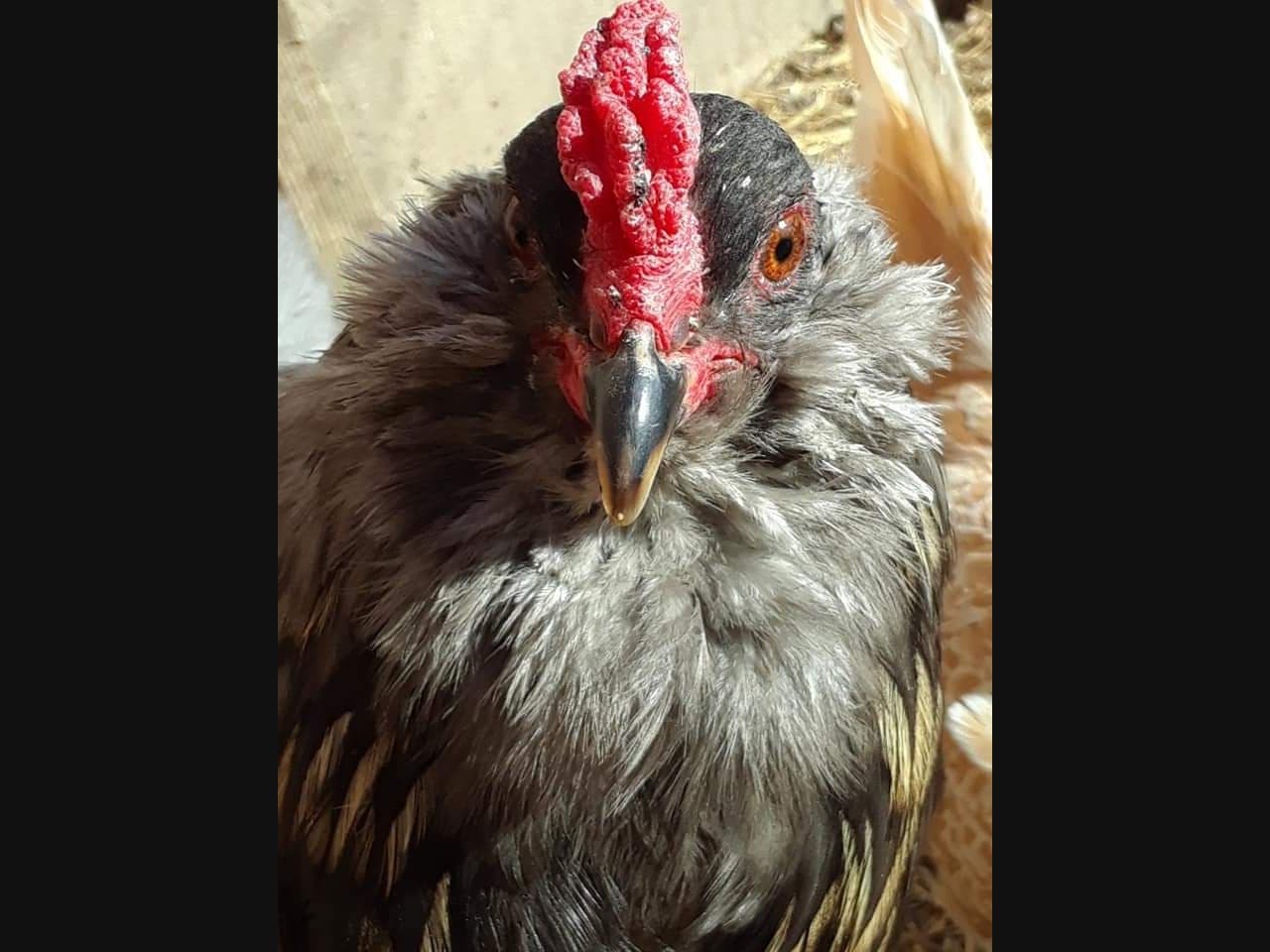
MUNDELEIN, IL —With the price of eggs skyrocketing in the supermarket, suburban farmers and residents who sell farm-fresh eggs are seeing a spike in demand.
And some farmers are selling the eggs for less than what you can buy them at the grocery store.
Lauren Fleming, a former pre-school teacher who now owns Fleming Family Farm, started out with eight chickens and now has 125 lying eggs that she sells for $5 per dozen out of her home and farm, which is located on a five-acre property along Fremont Center Road in rural Lake County.
Find out what's happening in Libertyvillefor free with the latest updates from Patch.
"This started out as a hobby and it has become so much more," Fleming said Thursday. Fleming told Patch she's been a huge increase in demand since December, when egg prices say a steep increase.
She's gone from a steady 15 to 20 customers to more than 80 since then.
Find out what's happening in Libertyvillefor free with the latest updates from Patch.
"I've never had so many calls about eggs," she said.
She's having a hard time keeping up and currently has a seven-week waiting list, with many people buying four dozen eggs at a time.
Fleming's 9-year-old grandson has also helped her care for the chickens, which has become a fun project and bonding experience for them.
"He helps me a lot, and he has his chickens that are his favorite," she said.
In December, the average price for eggs was $4.25, according to U.S. Bureau of Labor statistics. A year prior to that, a dozen eggs cost on average $1.79 at a grocery store. And as of Friday, Walmart.com listed its most affordable "Great Value" large white eggs for $5.32.
Fleming sells her eggs for $5 per dozen, which is how much she has charged since she started her farm in 2012. But since the cost of feed has increased dramatically, and other supplies needed to house and care for chickens have also went up, Fleming leaves out a donation box for those who can help support her farm.
"I have clients that have been with me 8 to 10 years and all they can afford is $5. If that’s all you can afford that’s fine, if you have a little extra I’ll take it," she said. With the donations, she's been averaging between $7 to $8 per dozen eggs.
Those who sell and buy farm-fresh eggs tout the taste and quality of egg for their reasons to pick them over store-bought eggs. Fleming's eggs are 100 percent organic from "happy, healthy hens," and she "doesn't use hormones, antibiotics, or chemicals of any kind," according to the Fleming Family Farm website.
https://www.w3.org/1999/xlink"..."> stroke="none" stroke-width="1" fill="none" fill-rule="evenodd">View this post on Instagram
A nationwide bird flu outbreak that required the slaughter of 44 million egg-laying hens is largely behind the price spikes, according to industry experts. That cut production of eggs by about 5 percent. Almost 58 million birds, mostly egg-laying hens and turkeys, have been destroyed last year because of the outbreak.
“The flu is the most important factor affecting egg prices,” Maro Ibarburu, a business analyst at the Egg Industry Center at Iowa State University, told The Washington Post. “This outbreak, in terms of egg-laying hens, we lost 10 million more egg-laying hens than the last outbreak in 2015.”
Increased costs to farmers has also been a huge factor in the sharp increase in egg prices, the president of the American Egg Board trade group, told The Associated Press.
“When you’re looking at fuel costs [that] go up, and you’re looking at feed costs [that] go up as much as 60 percent, labor costs, packaging costs — all of that … those are much bigger factors than bird flu for sure.”
The USDA’s Economic Research Service said in a recent forecast that wholesale egg prices will likely decline as the industry rebuilds egg-laying flocks. That takes time, though.
After chicken facilities are sanitized and restocked with healthy hens, it takes about four or five months for the birds to “reach peak productivity” of about 24 eggs a month, Lyndsay Cole, a spokeswoman with the Agriculture Department’s Animal and Plant Health Inspection Service, told The New York Times.
Get more local news delivered straight to your inbox. Sign up for free Patch newsletters and alerts.