Politics & Government
State Budget Includes Full Tax Payments to Municipalities
A plan to withhold $100 million in taxes from local governments did not make its way into the 2102 budget, which landed on the governor's desk this week.

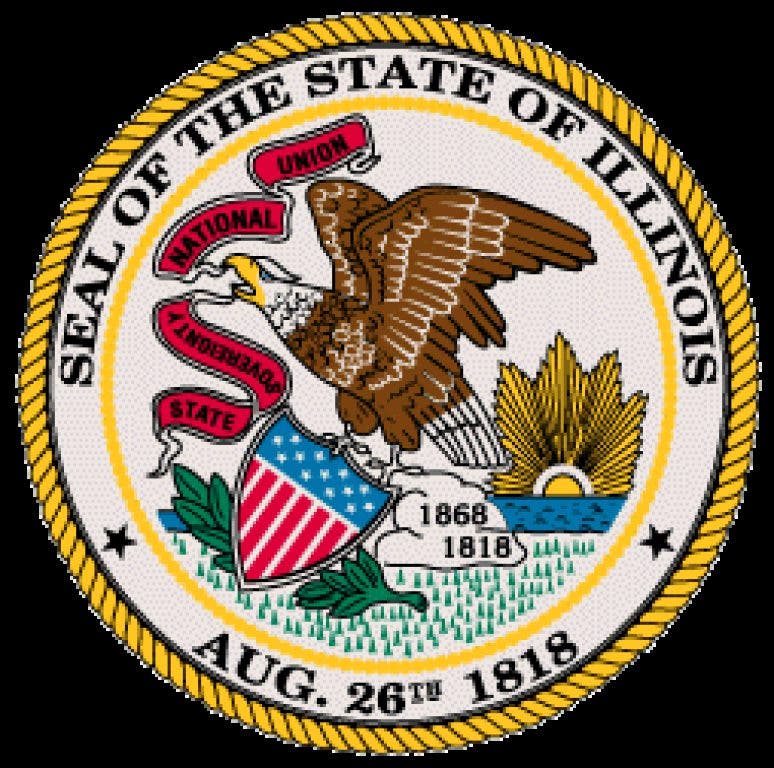
According to the state budget passed through the legislature Tuesday, municipalities across Illinois will get their full share of local government distributive funds over the next year.
Gov. Pat Quinn, who has not yet signed the $33.2 billion Fiscal Year 2012 budget, had floated the idea of the state retaining $100 million in tax revenue normally distributed to municipalities, so the state could pay its own bills. This plan, he said, would be enacted if lawmakers did not allow him to borrow billions to prop up the state’s coffers.
The proposal was met with disbelief and hostility at the local level, with organizations like the Metropolitan Mayors Caucus and the MetroWest Council of Government organizing protests in Chicago and Springfield. Montgomery Village President Marilyn Michelini has publicly denounced the plan, going so far as to say the governor is “using municipalities as pawns.”
Find out what's happening in Montgomeryfor free with the latest updates from Patch.
In a posted on Patch on May 11, Michelini wrote the following: “Local municipalities did not create, nor did they contribute toward the state debt situation. We can’t solve the state’s fiscal problems by destroying local budgets and spreading the fiscal problem even wider.”
Montgomery takes in about $400,000 in state money per month, according to Finance Director Jeff Zoephel. That’s split up between sales tax ($200,000), income tax ($100,000), local use tax ($20,000), telecommunications tax ($40,000) and motor fuel tax ($40,000).
Find out what's happening in Montgomeryfor free with the latest updates from Patch.
Motor fuel tax goes directly to road and bridge projects, while telecommunications tax goes into funds that help pay down the debt incurred when the village built the new police station on Route 30 and the village hall on River Street. The remaining state monies go into the general fund for operations, Zoephel said.
With the state budget leaving local distributive funds in place, village leaders can move forward with plans to, among other things, purchase a new SUV for the police department. (Zoephel had held off on such expenses until the state budget was ironed out.)
But the problem of late payments from the state is not expected to go away under this new budget. And in fact, it may get worse.
According to this Illinois Statehouse News story, the 2012 budget (which takes effect July 1) was balanced by delaying the payment of billions in unpaid bills. Zoephel said the state is already five months behind on its income tax obligations to Montgomery, although other types of payments come through more regularly.
Whatever the speed of the payments, the Illinois Municipal League is calling it a win.
“This is a major victory for cities and counties who fought diligently to preserve their portion of the income tax,” the League wrote in a post to their website Wednesday. “The IML staff thank all of you wholeheartedly for your perseverance to send the message to legislators and the governor.”
Get more local news delivered straight to your inbox. Sign up for free Patch newsletters and alerts.