Health & Fitness
Placebos - opening new directions in health care?
Increased concern about overmedicating patients is pushing more and more physicians to investigate new approaches to relieving suffering.

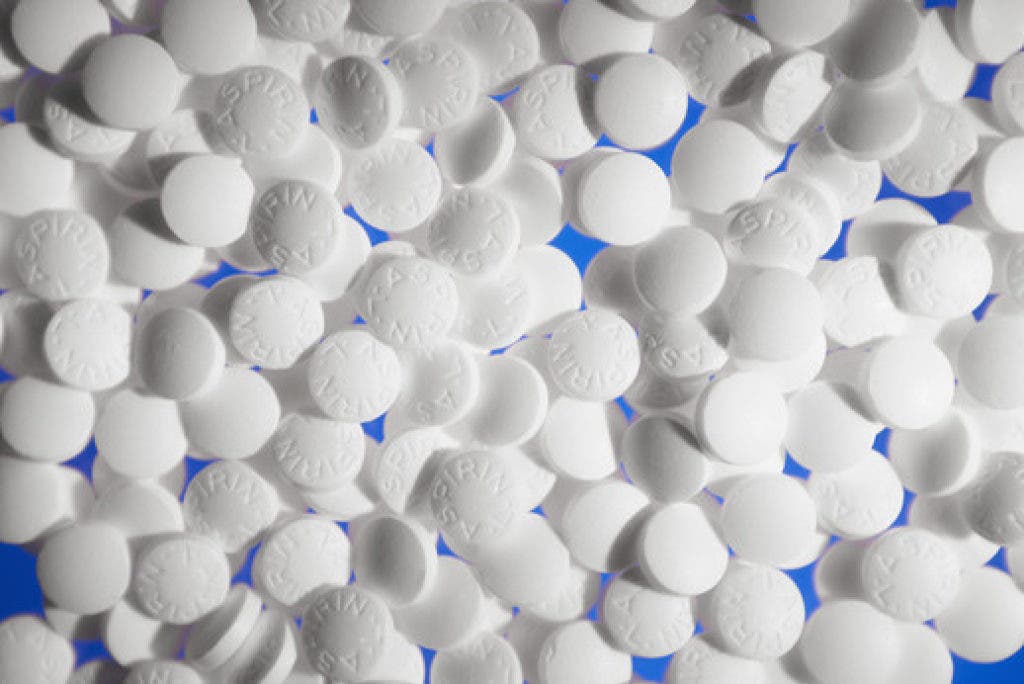
Increased concern about overmedicating patients is pushing more and more physicians to investigate new approaches to relieving suffering. It’s even prompting some doctors to consider what was once the unthinkable – offering their patients placebos.
Of course, research into the placebo effect has been going on for centuries.
Find out what's happening in Napervillefor free with the latest updates from Patch.
But more recently, associate professor of medicine at Harvard University, Ted Kaptchuk, performed a clinical drug trial on 270 subjects who were suffering from extreme pain. He told them that he was conducting a study comparing drug–based therapy with acupuncture treatments. He warned these patients that the side–effects of both therapies would be significant.
As the tests continued, many called in saying they could not get out of bed. “The side effects were simply amazing”, Kaptchuk explained - exactly what he had predicted. But later, most of his patients reported real relief, and those who received acupuncture treatment reported even better results. Ironically, the pills that they had been given were made of cornstarch and the acupuncture needles were retractable shams that never pierced the skin.
Find out what's happening in Napervillefor free with the latest updates from Patch.
For over 15 years, Kaptchuk has been looking into the effects of placebo medicine – his original interest being to show the effectiveness of pharmaceutical drugs – as opposed to a placebo control group. But through the years, as both groups would show healing effects, Kaptchuk decided to look further into the placebo effect itself. He said, “We were struggling to increase drug effects while no one was trying to increase the placebo effect.”
And, that’s an important insight if one is focused on finding solutions – outcomes – rather than verifying specific presumptive methodologies.
According to Cara Feinberg in the December 2012 issue of Harvard Magazine, “Researchers have found that placebo treatments – interventions with no active drug ingredients – can stimulate real physiological responses, from changes in heart rate and blood pressure to chemical activity in the brain, in cases involving pain, depression, anxiety, fatigue.”
David R. Hamilton, PhD, (http://drdavidhamilton.com) blogs about the amazing power of placebos. He wrote, “The same placebo can do opposite things, for instance, depending on what the person believes it is for. If patients are given a placebo and told it will relax their muscles, then it will, but the same placebo can cause muscular tension if the person believes that’s what it does. Similarly, believing that it is a stimulant will increase heart rate and blood pressure, but thinking that it is a depressant gives it the opposite effect – reducing heart rate and blood pressure.”
Feinberg’s interview with Kaptchuk (http://harvardmagazine.com) also presented his doubts about placebos. He doesn’t argue that you can simply “think yourself better”. “Sham treatment won’t shrink tumors or cure viruses,” he said. He also questioned the integrity of placebo medicine since such treatments require deception on the part of physicians.
Many medical professionals are also quite leery of placebo research, since most studies do not have a “no-treatment” group.
But surprising to Kaptchuk and others, have been the studies where individuals have been told they are taking placebos. The science and medicine journal PLOS ONE published a study in 2010. The study compared two groups of irritable bowel syndrome (IBS) sufferers. One group received no treatment and the other received “fake” pills – delivered in bottles actually labeled “placebo pills”. They were also informed that placebos often have healing effects.
Kaptchuk reported, “The study’s results shocked the investigators themselves: even patients who knew they were taking placebos described real improvement, reporting twice as much symptom relief as the no-treatment group. That’s a difference so significant, it’s comparable to the improvement seen in trials for the best real IBS drugs.”
Kaptuchuk realizes the difficulties in acceptance of placebo research and the integrity challenges of such research, but he concludes, “We have to transform the art of medicine into the science of care.”
Such a transformation would alter the treatment of disease from the sole domain of drug-based therapy to the consideration of approaches that recognize the importance of the physical, mental and spiritual nature of health. Ultimately, that may be the lesson behind the study and use of placebos. As we recognize the importance of thought in making the body well, it will increasingly make sense to include pastoral, meditative and prayer-based therapies in the cure of disease.
Thomas (Tim) Mitchinson is a self-syndicated health columnist and the media spokesman for Christian Science in Illinois.