Health & Fitness
Edward-Elmhurst Health: How to de-escalate a conflict
Those who find themselves feeling a bit anxious or on edge these days are not alone.

COVID-19. Civil unrest. Politics. Shutdowns. The economy.
Those who find themselves feeling a bit anxious or on edge these days are not alone.
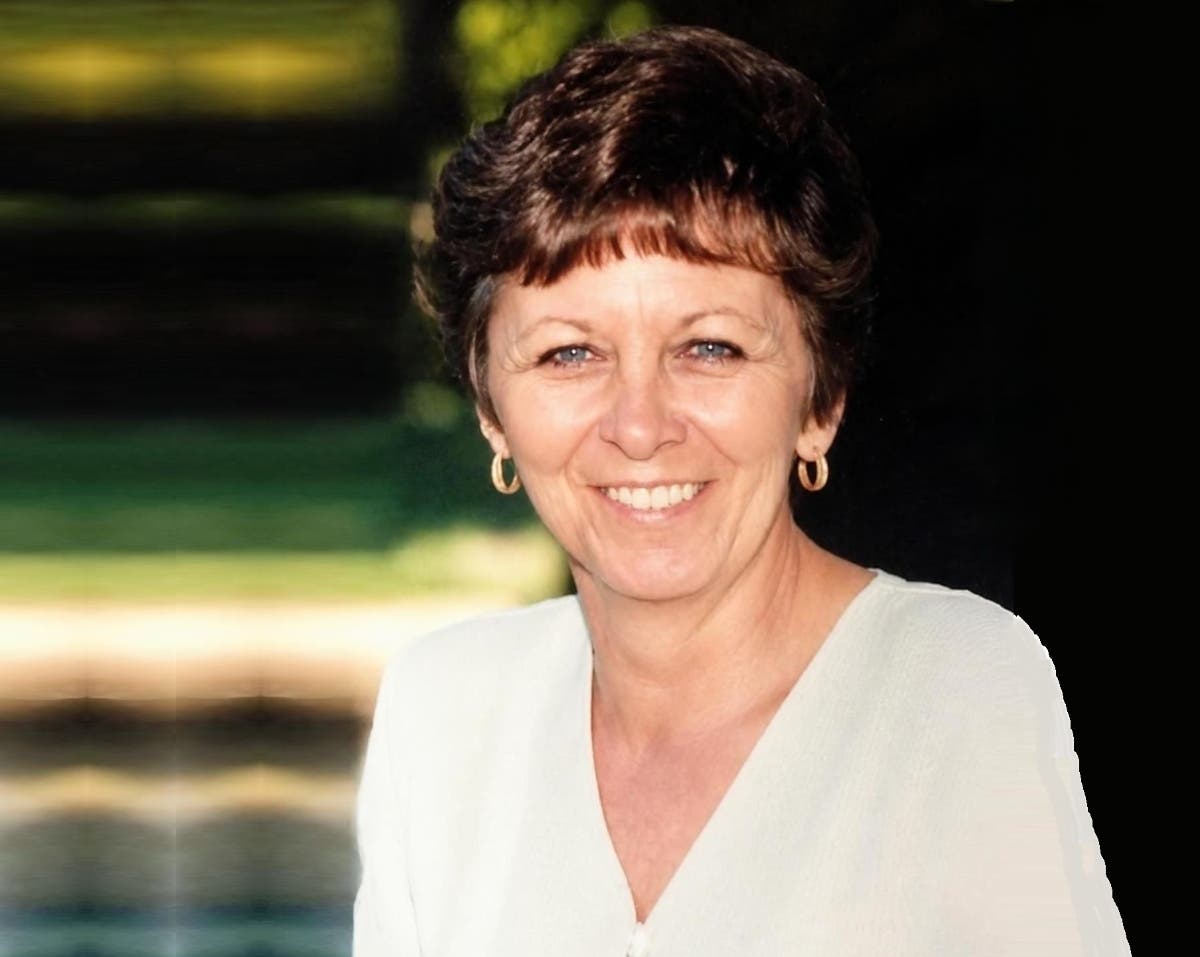
“All of those things combined are creating a lot of heightened anxiety and exhaustion,” says Elizabeth Hill, LCPC, licensed clinical professional counselor and supervisor of rehabilitation services at Linden Oaks Behavioral Health.
Find out what's happening in Napervillefor free with the latest updates from Patch.
Those feelings can, at times, boil over and lead to some anxious and tense moments. A crisis prevention institute instructor, Hill helps train people to recognize those situations and teaches them the skills to keep them from escalating.
“A lot of the training evolves around de-escalating and understanding what emotions or behaviors people are exhibiting, meeting people where they are and responding appropriately,” she says.
Find out what's happening in Napervillefor free with the latest updates from Patch.
Understanding the factors that led to a situation is key in tense moments. The person who is confronting someone about wearing a mask or cutting someone off in traffic brings their own baggage to the situation.
“Remember, everyone has got their own story,” says Hill. “That person is walking in with a whole lot of other things that we don’t know; just as we are. Providing some empathy and kindness is really important.”
If someone is in a situation where they feel safe and can listen to the other person, giving them time to vent their concerns and simply listening can go a long way.
Also, take a moment before responding. Think, then speak and be mindful of your body language and tone, Hill says. If possible, take a brisk walk to ponder the situation before responding to a terse email or returning a phone call.
In tense situations, it also is important to be mindful of surroundings and what personal feelings. If a situation feels threatening or unsafe, Hill says listen to those feelings. Don’t hesitate to walk away or seek help by reaching out to others nearby or calling authorities.
“If you’re able to, walk away and disengage from the situation,” says Hill. “If you’re worried about other people’s safety or your own, find support or call 911.”
Sometimes, setting boundaries in advance can help avoid tense situations. For example, if politics could become a heated debate at a family dinner, decide in advance whether that subject will come up with family members and how to handle it. Setting limits on social media and television news can also help lower stress and anxiety.
“Set some boundaries and try to surround yourself with positive things,” says Hill.
She also encourages people to look at their own lives and what they can improve.
“Educating ourselves so we can understand where people are coming from helps give us a better picture and broader view of what is going on in the world around us,” she says.
If you or a member of your family would benefit from working with a therapist, please contact Linden Oaks Behavioral Health at 630-305-5027 for a free behavioral health assessment.
For more information, visit www.EEHealth.org/coronavirus.