Health & Fitness
Edward-Elmhurst Health: How safe are the COVID-19 vaccines?
Some fear the vaccines aren't safe because they were developed so quickly, or because the mRNA technology is too new.
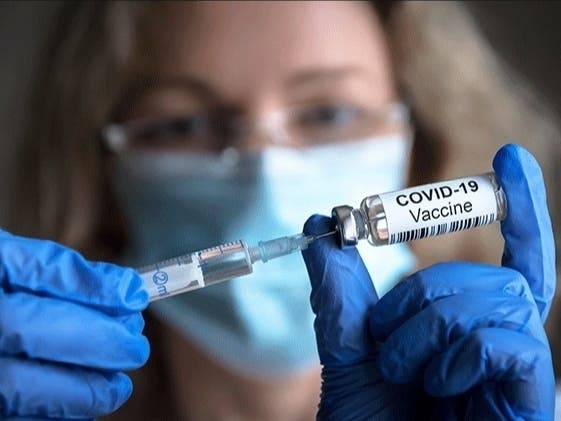
Safety is one of the biggest hurdles of vaccine hesitancy.
When it comes to the vaccines for COVID-19, which were authorized for emergency use by the Food and Drug Administration (FDA), that hurdle is even higher.
Some fear the vaccines aren’t safe because they were developed so quickly, or because the mRNA technology is too new.
Find out what's happening in Napervillefor free with the latest updates from Patch.
But the process of approval for vaccines is incredibly rigorous and involves extensive testing and clinical trials before they are made available to the public.
How they work
Find out what's happening in Napervillefor free with the latest updates from Patch.
The vaccines currently available for COVID-19 work in different ways.
The Pfizer-BioNTech, which was approved Aug. 23, 2021 by the FDA for prevention of COVID-19 in people age 16 and older, and Moderna mRNA 1273 are mRNA vaccines. They contain the portion of mRNA that encodes the spike protein, the button on the surface of the SARS-CoV2 virus. It is not a live virus, cannot replicate itself and is quickly destroyed in the cell shortly after translation. Once the spike protein is translated by the mRNA, an immune response is elicited, resulting in production of antibodies against the spike protein. When the SARS-CoV2 spike protein is bound up by antibodies, it cannot attach to and infect human cells.
Receiving an mRNA vaccine will not alter DNA. The mRNA from a COVID-19 vaccine never enter the nucleus of the cell, which is where DNA (genetic material) is kept. This means the mRNA does not affect or interact with human DNA in any way. Once the mRNA triggers the immune response, it breaks down.
The third authorized vaccine, a single-dose vector vaccine by Janssen (J&J), uses an adenovirus (a type of virus that causes the common cold) that has been genetically modified to make it harmless, to instruct the body’s cells to make the SARS CoV-2 spike protein, training the body's immune system to protect against an actual infection. The Janssen (J&J) vaccine is held to the same rigorous safety and effectiveness standards as all other types of vaccines in the U.S. In April 2021, the Centers for Disease Control and Prevention (CDC) recommended use of the single-dose J&J vaccine resume in the U.S. after a temporary pause.
How long in development
While COVID-19 vaccines were developed more quickly than usual, scientists are relying on a decade of research to help speed the process without a need to cut corners. The vaccines were tested in large clinical trials to make sure they meet safety standards. The CDC developed an additional layer of safety monitoring called V-safe, an after-vaccination health checker for COVID-19 vaccine recipients to rapidly detect any safety issues.
Testing process before given to public
The first authorized COVID-19 vaccine, manufactured by Pfizer-BioNTech, was studied in more than 40,000 people while Moderna studied its vaccine in 30,000 people and the Janssen (J&J) vaccine was studied in more than 40,000 people, to ensure they meet safety standards.
The FDA continues to monitor the safety and effectiveness of authorized vaccines through ongoing clinical trials and vaccination data. There are clinical trials currently underway to test the COVID-19 vaccine in children younger than 12.
Warnings – should people be worried?
Allergic reactions to vaccines, in general, are rare. Some people have reported severe allergic reactions to the Pfizer-BioNTech vaccine, but these appear to be rare. People who have experienced severe reactions to prior vaccines or injectable drugs may still be able to get the Pfizer vaccine for COVID-19 but should discuss the risks with their doctor and be monitored for 30 minutes afterward.
The FDA added a warning to the Pfizer vaccine patient fact sheet regarding the rare side effect of myocarditis, or heart inflammation, that has occurred primarily in male adolescents and young adults after receiving the second dose of the vaccine.
The FDA has added warnings to the Janssen (J&J) vaccine regarding a rare neurological reaction that was potentially caused by the vaccine, as well as a warning about the rare potential risk of blood clots from the vaccine.
In every case, the FDA and CDC are still investigating whether the side effects are related to the vaccines. The likelihood of developing any of these complications is extremely rare.
Side effects – not as bad as getting COVID-19
As with other vaccines, it is normal to experience some pain, redness or swelling at the injection site, fatigue, headache, muscle aches or low-grade fever following the vaccination, which should go away on their own in a day or two. This does not mean that the vaccine has given someone COVID-19. These symptoms are typical reactions to most vaccines and are a sign that the immune system is doing exactly what it is supposed to do — building up protection to the disease.
The side effects from any of the available vaccines pale in comparison to the potential side effects and lingering health problems that can result from a COVID-19 infection. The best way to avoid possible severe illness, hospitalization or death is to get vaccinated.
Learn more at www.eehealth.org/coronavirus.