Health & Fitness
Edward-Elmhurst Health: I had COVID-19, now what?
Millions of people in the U.S. have been infected with SARS-CoV-2, the virus that causes COVID-19.
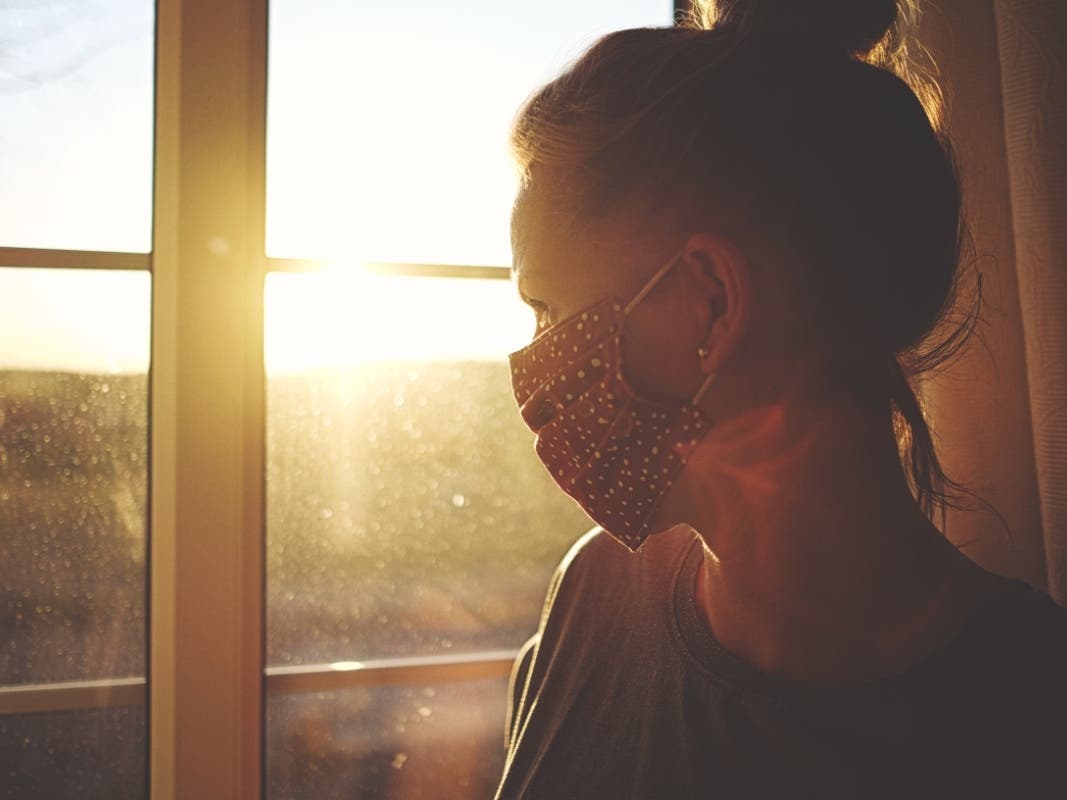
Millions of people in the U.S. have been infected with SARS-CoV-2, the virus that causes COVID-19.
While the infection may have been unpleasant, or even serious, the fact that someone has recovered means they likely have the powerful benefit of antibody protection from reinfection, called natural immunity.
The Centers for Disease Control and Prevention (CDC) states anyone who has recovered from COVID-19 can safely be around others after:
Find out what's happening in Napervillefor free with the latest updates from Patch.
- 10 days since symptoms first appeared and
- 24 hours with no fever without the use of fever-reducing medications and
- Other symptoms (besides loss of taste and smell, which could linger for weeks) of COVID-19 are improving
The CDC recommends people who had an asymptomatic infection isolate themselves until 10 days have passed since their positive viral test for COVID-19.
People who were seriously ill from COVID-19 may need to wait up to 20 days before ending isolation, according to the CDC.
Find out what's happening in Napervillefor free with the latest updates from Patch.
Those who have recovered from COVID-19 can make an important contribution to the fight against the virus by donating convalescent plasma. Only people who have natural immunity — not vaccinated immunity — are eligible to donate convalescent plasma.
Plasma (the yellow, liquid part of blood that contains antibodies) from people who have been fully recovered from COVID-19 for two weeks could be used to save the lives of people with severe illness from COVID-19.
Despite the presence of antibodies, experts say people who have recovered from COVID-19 are not necessarily immune from future infection. Studies have shown that someone who recovered from COVID-19 isn’t likely to get infected again, but it isn’t impossible.
That’s why the CDC recommends that people who have already had COVID-19 get vaccinated against the disease when they’re able (usually once it’s been three months or longer since testing positive).
Experts are still studying how long natural immunity after infection lasts. For that reason, experts say people who have recovered from COVID-19 and those who have been vaccinated should continue to wear masks around others.
The mask helps protect the mask wearer from people who are infected. On the flip side, people who produce antibodies against the coronavirus may still be asymptomatic carriers who could potentially infect others. The mask helps protect people from potential transmission.
Once enough people receive the vaccine, the risk of severe illness and widespread cases should diminish, lessening the need for public health measures such as face coverings and physical distancing.
For more information, visit www.eehealth.org/coronavirus.