Health & Fitness
EEH: Monoclonal antibody treatment helps fight COVID-19
While the vaccine remains the best protection from COVID-19, treatment with monoclonal antibodies can help ease symptoms.
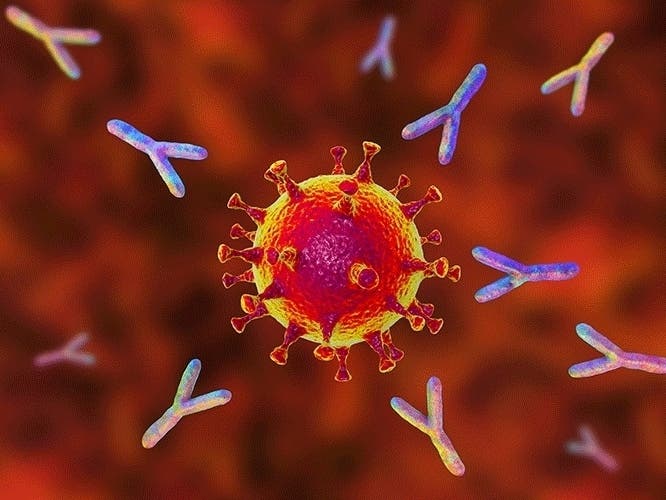
With COVID-19 cases surging across the country, more doctors are relying on monoclonal antibody treatment.
The Food and Drug Administration (FDA) has granted emergency use authorization (EUA) for three types of monoclonal antibody treatment for individuals with mild to moderate COVID-19 infection who are at high risk of getting very sick.
While the vaccine remains the best protection from COVID-19, treatment with monoclonal antibodies can help ease symptoms and lessen the chance of severe illness and hospitalization for those who contract the virus or are exposed to it.
Find out what's happening in Napervillefor free with the latest updates from Patch.
Earlier in the pandemic, the treatment had gone underused, mostly because it had to be given via intravenous infusion, which was difficult to administer for many hospitals and clinics. Now, monoclonal antibody treatment can also be administered by injection, with a drug called REGEN-COV (made by Regeneron).
Monoclonal antibody treatment mimics the antibodies the immune system naturally produces to fight the coronavirus. By fighting the virus’s ability to bind to our cells, the body builds rapid immunity to COVID-19, improving symptoms and preventing the disease from worsening.
Find out what's happening in Napervillefor free with the latest updates from Patch.
When administered early in the course of illness, monoclonal antibody treatment can give people a temporary boost to help prevent serious infection from COVID-19 and ease symptoms. Antibodies should be started promptly to have the best effect, preferably as soon as a COVID-19 test comes back positive. The idea is to stop the virus before it becomes a problem.
Some evidence also suggests that the treatment may be able to prevent the disease entirely in certain people who are exposed to the virus. The FDA recently expanded its EUA for REGEN-COV to help prevent COVID-19 in certain high-risk individuals, including people who were exposed to the virus and are unvaccinated or may not be able to mount an adequate immune response.
More than 600,000 people in the U.S. have already received monoclonal antibody treatment. In clinical trials, the Regeneron monoclonal antibody drug treatment reduced the risk of hospitalization and death by 70 percent. The treatment also shortened the duration of COVID-19 symptoms by four days.
If you test positive for COVID-19 and would like to receive monoclonal antibody treatment, the earlier you get it, the better. COVID-19 can progress quickly, and the effectiveness of antibody treatment is highest the earlier it is given. Prompt testing and prompt treatment are key.
People should tell their doctor if they have been exposed to COVID-19 or tested positive for the virus. A doctor can help determine if someone would benefit from monoclonal antibody treatment.
Those who receive monoclonal antibody treatment and have not yet been vaccinated need to wait 90 days before they can receive their first dose of a vaccine. If they have received your first dose of a two-dose of vaccine and require monoclonal antibody treatment before the second dose of vaccine, they also need to wait 90 days before receiving the second vaccine dose.
Edward-Elmhurst Health is administering monoclonal antibody treatment to certain patients who’ve been diagnosed with COVID-19, and some immunocompromised and unvaccinated individuals who’ve been exposed to COVID-19 and meet the criteria for treatment (are over age 65 or have medical conditions that place them at higher risk for severe infection).
An Edward-Elmhurst Health primary care physician can submit an order for monoclonal antibody treatment to be scheduled at the Hinsdale or Bolingbrook locations. Antibody treatment is also available at any Edward-Elmhurst Health Immediate Care Center should someone have a positive COVID-19 test during your visit.
Learn more at www.eehealth.org/coronavirus.