Health & Fitness
EEH: Should pregnant women get the COVID-19 vaccine?
What is known about the COVID-19 vaccine and pregnancy?
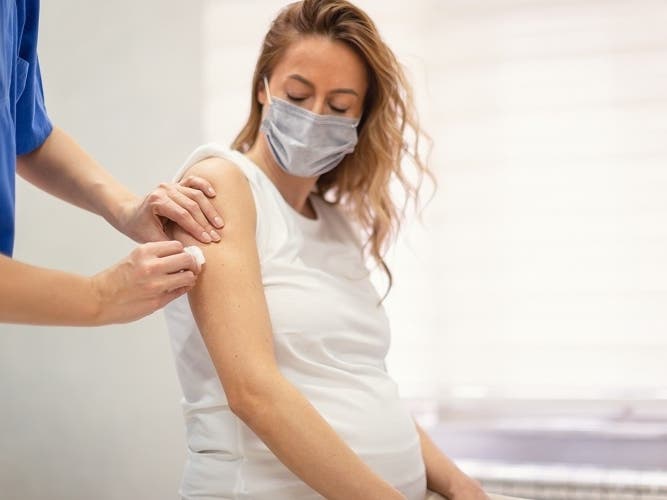
Vaccinations during pregnancy are important and common. There are vaccines that are typically recommended during pregnancy to prevent influenza (flu shot) and pertussis (Tdap vaccine).
Pregnant people may be deciding whether they should get the COVID-19 vaccine. This is a personal choice that people should make after talking with their doctor, their first point of contact to help them make an informed decision.
What is known about the COVID-19 vaccine and pregnancy? The two currently available COVID-19 vaccines consist of messenger RNA (mRNA) and use the body’s own cells to generate the coronavirus spike protein, which stimulates immune cells to create antibodies against COVID-19.
Find out what's happening in Napervillefor free with the latest updates from Patch.
While mRNA vaccines are distinct from influenza and Tdap vaccines currently used during pregnancy, mRNA technology has been in development for the last decade.
The mRNA vaccines can’t give someone COVID-19, as they do not contain the live virus that causes the coronavirus. Also, the mRNA does not enter the cell’s nucleus and does not alter human DNA, so the mRNA vaccines cannot cause any genetic changes, and the body’s cells break down the mRNA quickly.
Find out what's happening in Napervillefor free with the latest updates from Patch.
While the current COVID-19 mRNA vaccines haven’t been studied in pregnant or lactating women, based on how mRNA vaccines work, experts believe they are unlikely to pose a specific risk for people who are pregnant, according to the Centers for Disease Control and Prevention (CDC). Likewise, mRNA vaccines are not thought to be a risk to the breastfeeding infant.
While safety data on the use of the current COVID-19 mRNA vaccines in pregnancy are not currently available, there are also no data to indicate that the vaccines should be contraindicated (not used), and the safety for pregnant people is expected to be similar to non-pregnant people.
While there are still many unknowns, experts know that:
- Women who are trying to become pregnant do not need to avoid pregnancy after receiving an mRNA COVID-19 vaccine.
- Given the mechanism of action and the safety profile of the vaccine in non-pregnant individuals, COVID-19 mRNA vaccines are not thought to cause an increased risk of infertility.
- If an individual becomes pregnant after the first dose of the COVID-19 vaccine series, the second dose should be administered as indicated.
- Pregnant people are at increased risk for severe illness from COVID-19. Pregnant people with comorbidities, such as obesity and diabetes, may be at an even higher risk of severe illness.
- Pregnant people with severe COVID-19 may be at increased risk of adverse pregnancy outcomes, such as preterm birth and pregnancy loss.
- The side effects that some may experience after receiving the COVID-19 vaccine aren’t expected to be any different for pregnant people.
- All vaccine recipients, including pregnant people, should talk with their doctor if they have a history of severe allergic reaction (e.g., anaphylaxis) to any other vaccine or injectable therapy.
- COVID-19 vaccines should not be administered within 14 days of receipt of another vaccine (such as Tdap and influenza).
- Pregnant people who decide to get vaccinated should continue to follow the current guidelines to prevent the spread of COVID-19 after they are vaccinated, including wearing a mask, staying at least 6 feet away from others, washing hands often and avoiding crowds.
Pregnant and breastfeeding women need to weigh the potential benefits of vaccination (including preventing COVID-19 illness) against the potential risks regarding vaccination.
Guidance from the American College of Obstetricians and Gynecologists, Society for Maternal-Fetal Medicine and CDC advocate for making COVID-19 vaccines available to pregnant and lactating women in consultation with their doctor.
For more information, visit www.eehealth.org/coronavirus.