Health & Fitness
EEH: Staying active may lessen symptoms of chemo brain
New study suggests staying physically active can help women with breast cancer avoid "chemo brain."
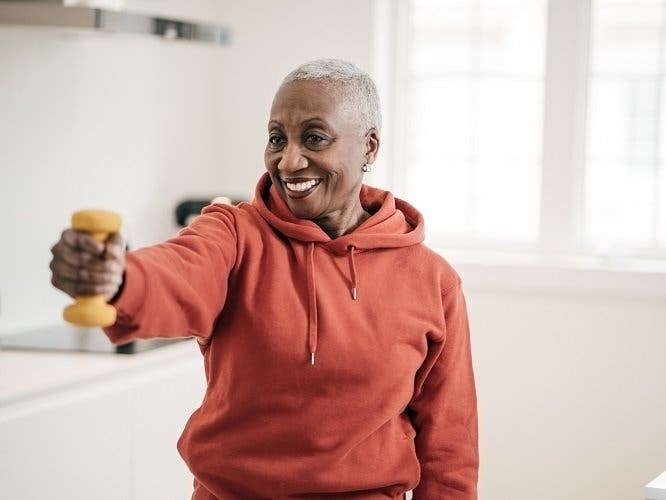
Time and again, studies have shown that exercise can improve overall health and reduce risks for chronic illness.
Now, a new study suggests staying physically active can help women with breast cancer maintain memory and cognitive function and avoid “chemo brain.”
Roughly 75 percent of breast cancer patients report having cognitive impairment during chemotherapy. Symptoms of “chemo brain” or “chemo fog” can include memory loss, difficulty concentrating, confusion and a shorter attention span, and can linger months after chemotherapy has ended.
Find out what's happening in Napervillefor free with the latest updates from Patch.
In a study of more than 500 breast cancer patients, researchers found that women who met minimum national standards for exercise (150 minutes of exercise per week) during their treatment performed better on cognitive tests than those who were inactive. Even women who were active before treatment began, but were inactive during treatment, performed better than those who were inactive during treatment, according to the findings.
Studies have also suggested that exercise has other health benefits such as boosting mood, aiding in sleep, improving energy levels and strengthening bones. Exercising can also help maintain a healthy weight and help lower the risk for chronic health conditions such as diabetes, high blood pressure or heart disease.
Find out what's happening in Napervillefor free with the latest updates from Patch.
While exercising has many benefits, it is important for people (particularly for those undergoing medical treatments) to recognize their body’s needs and limitations and to rest when needed.
Consider these tips for starting an exercise routine:
- Talk to a doctor. Patients should let their cancer care team know that they’d like to start exercising and discuss a plan with the team. Keep the team informed of any health changes that could affect the exercise plan.
- If needed, take small steps. People don’t need to go for a mile run to see the benefit of regular exercise. Taking a brisk walk or going for a bike ride is beneficial. Even walking laps around the house or up and down a hallway can help.
- Break up exercise time. Instead of exercising for 30 minutes at once, break it up into smaller chunks and do 10 minutes at a time if needed. The goal is to get moving.
- Check in with local breast cancer survivor groups. They may have a walking club or exercise group.
Get more information at EEHealth.org/services/cancer.