Health & Fitness
The impact of COVID-19 on opioid use disorder
People have a hard enough time maintaining a recovery routine. Adding social isolation into the mix has been life-threatening.
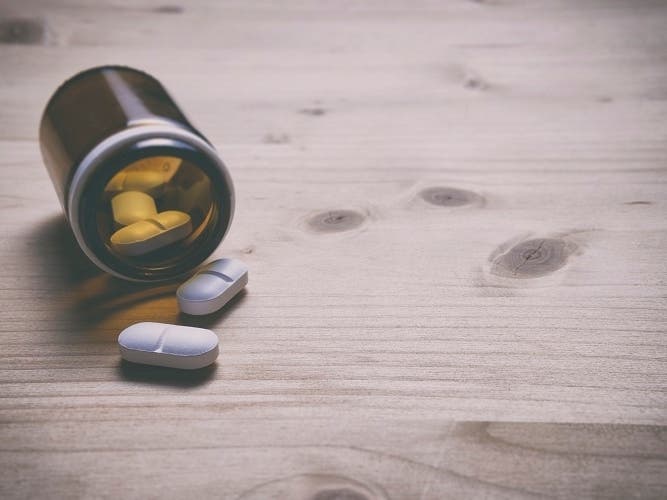
COVID-19 has changed the way America is operating. Social distancing has been encouraged to protect people and prevent the spread of the virus. At the same time, there has not been as much focus on the epidemic that remains a crisis in this country — the opioid epidemic.
Authorities across numerous states are reporting increases in overdose deaths during the time of COVID-19. Illinois alone has seen 924 confirmed overdose deaths compared to 461 at this time last year. COVID-19 is amplifying the crisis.
People have a difficult enough time maintaining a recovery routine. Adding social isolation and a pandemic into the mix has been a life-threatening combination.
Find out what's happening in Napervillefor free with the latest updates from Patch.
Recovery is not only about sobriety, but connection. A large part of the solution to moving forward in recovery is building social connections through meetings and social supports. Removing that piece places individuals at risk.
The recovery community is like a tight knit family. When they see each other they embrace one another, hug one another, and share that they care deeply about one another. These norms that have been in practice for decades are now being challenged.
Find out what's happening in Napervillefor free with the latest updates from Patch.
As a result of the isolation encouraged during COVID-19, individuals who use opioids are at a greater risk to use alone. Without having anyone to administer Narcan to rescue them, individuals are an increased risk for overdose death.
Individuals who use opioids may feel forced to obtain the drugs from new sources to continue use or avoid symptoms of withdrawal. Different sources have different supplies, which places the individual at an increased risk for overdose. Additionally, with a decrease in supply, those who return to use are at an increased risk of overdose due to the rapid decrease of tolerance.
On top of the social isolation, most individuals received a stimulus check to provide financial support during this pandemic. For many individuals with opioid use disorder, having a large amount of money can be a dangerous temptation.
The recovery community is disenfranchised and stigmatized for their illness. Where can individuals struggling with opioid use disorder find help during this time?
Increasing access to treatment during the pandemic has been critical. Linden Oaks Behavioral Health offers telehealth treatment options through Medication Assisted Treatment (MAT), as well as outpatient programming and counseling. Group and individual counseling to provide emotional support, in conjunction with online recovery meetings, have been critical in helping individuals maintain their recovery.
Individuals can have virtual face-to-face meetings through secured platforms to complete assessments and obtain medications, which would not have been permitted prior to COVID-19. The telehealth platform can provide important insights to clinicians about individuals’ living environments that would have been missed previously, allowing the treatment team to address challenges at home.
For updates on COVID-19, check EEHealth.org/coronavirus.