Health & Fitness
Little-known RSV a danger to kids; what parents should know
The symptoms sound a lot like a common cold, but respiratory syncytial virus (RSV) can cause severe illness in babies and toddlers.
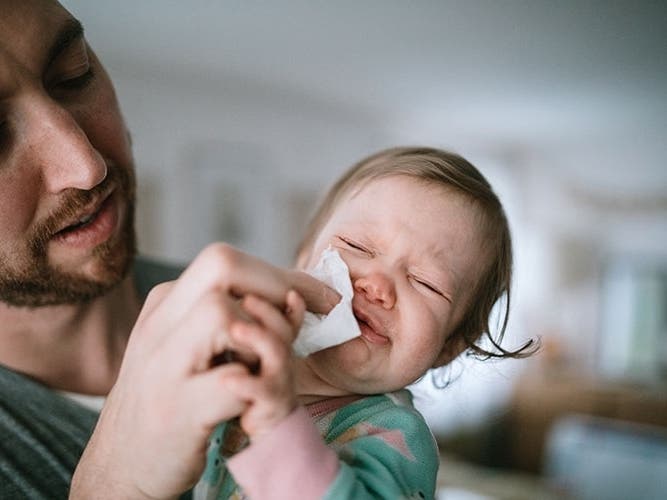
The symptoms sound a lot like a common cold, but respiratory syncytial virus (RSV) can cause severe illness in babies and toddlers. RSV is a common infection that starts with cold-like symptoms that can worsen over time.
In healthy older children and adults, RSV usually only causes mild symptoms that can be managed at home with over-the-counter fever reducers and pain relievers.
Those at a higher risk of severe infection who get RSV — including infants, people with weakened immune systems, people with chronic heart or lung disease or neuromuscular disorders, and adults age 65 and older — may need to be hospitalized, depending on their symptoms.
Find out what's happening in Napervillefor free with the latest updates from Patch.
In some children, RSV can lead to pneumonia or bronchiolitis, which is an inflammation of the small airway passages entering the lungs. Bronchiolitis can be caused by many viruses, but RSV is a leading cause of the illness.
The Centers for Disease Control and Prevention reports virtually all children will have an RSV infection by the time they turn 2 years old.
Find out what's happening in Napervillefor free with the latest updates from Patch.
The early signs of RSV include:
- Runny nose
- Cough
- Decreased appetite
As the infection progresses, the cough may worsen and wheezing and/or difficulty breathing and a fever may develop.
Infants who are younger than 6 months old may only show symptoms such as:
- Irritability
- Unusually low levels of activity
- Lower appetite
- Pauses while breathing (apnea) or shallow, rapid breathing
Most children who have RSV do not require treatment by a doctor or a trip to the emergency room.
Take your child to the ER or call 911 if they:
- Stop breathing
- Turn blue around the lips or nail beds
- Show signs of dehydration (including less frequent wet diapers or crying without tears)
- They’re having severe difficulty breathing, such as nostrils flaring (getting bigger), grunting, or looking like they are getting tired from working hard to breathe
Call or visit your doctor if you hear wheezing, your child has problems eating or drinking, if they are younger than 3 months and have a fever more than 100.8 or if they have a persistent fever and are older than 3 months.
There is no vaccine for RSV or medication to treat the virus. Antibiotics do not work for RSV or other forms of viral bronchiolitis. Most children and adults recover in one to two weeks, but some cases of bronchiolitis or RSV require a hospital stay for extra oxygen and supportive care such as frequent suctioning. At home, you can make sure sick kids get enough fluids and suction their nostrils if needed with a suction bulb.
Take steps to prevent infection.
- Wash your hands frequently
- Avoid touching your face
- Avoid contact with sick people
- Clean and disinfect your home, focusing on things people often touch such as doorknobs, toys, light switches and handles
- Cover your nose and mouth when you cough or sneeze with a tissue or the crook of your arm
- If you’re sick, stay home and prevent the spread of germs
For more information about Edward-Elmhurst Health pediatric care, visit www.eehealth.org/services/emergency/pediatric and www.eehealth.org/services/children.