Community Corner
Hour-by-Hour: Our Plummet to Subzero Temperatures
It's only going to get colder over the next several hours.


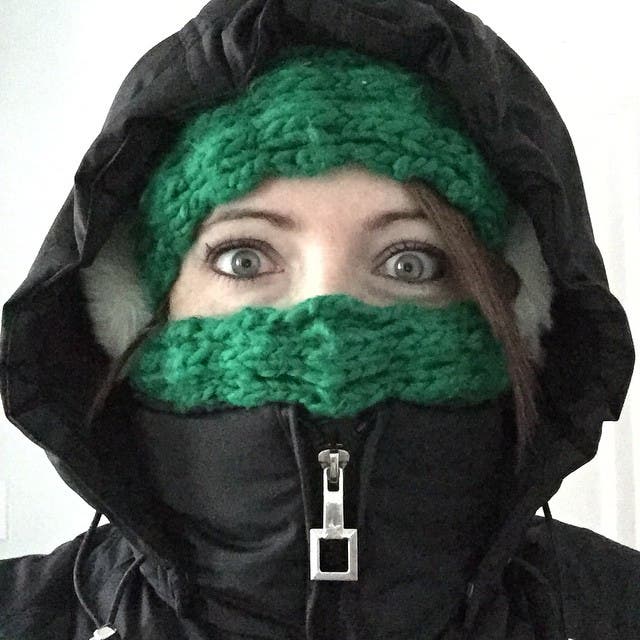
Just another Chicago winter, right?
Not according to the record books. As an impressive late-winter arctic blast sweeps into the Chicago area, temperatures overnight will plunge toward record-breaking cold, beginning at midnight where we’ll hover around -2 degrees.
Winds between 10 and 20 mph this evening into tonight will combine with the low temperatures to bring breathtaking cold ranging from -4 to -10 degrees, according to the National Weather Service. Wind chills are forecasted between -15 or -30 degrees. A wind chill advisory will be in effect from 6 p.m. Wednesday through Thursday at noon. Counties included in the advisory are: Cook, DuPage, Kane, Will, McHenry, Lake, Kendall, Grundy, Boone and DeKalb counties.
Find out what's happening in Orland Parkfor free with the latest updates from Patch.
What’s the fuss, Chicagoans mutter. It’s Chicago, it’s winter—it’s cold.
Chicago has not seen temperatures lower than 10 degrees this late in the season since 1963, report some meteorologists. The Chicago area reached a record-low of -7 degrees in 1936.
Find out what's happening in Orland Parkfor free with the latest updates from Patch.
Here’s what to expect:
- Windchill advisory in effect at 6 p.m., through Thursday at noon
- 4 p.m.: a high of 9 degrees in Chicago
- Midnight: Temp forecasted at -1 degree, wind chill of -20
- 6 a.m.: Temp forecasted at -4 degrees, wind chill of -23
By mid-morning Chicago could see a surge back into temperatures in the positive digits, but hovering only a few digits above zero before dropping back below zero around 10 p.m.
The cold-related death toll rose to 18 in Cook County on Sunday, after a Blue Island woman became the winter’s latest victim.
Find warming centers in:
Stay safe in the cold
Follow these extreme cold safety tips:
- Wear several layers of loose fitting, lightweight, warm clothing rather than one layer of heavy clothing.
- Wear mittens instead of gloves.
- Wear water-repellent clothing.
- Wear a hat.
- Cover your mouth with a scarf to protect your lungs.
- Make sure small children, infants, and the elderly stay warm. They are more vulnerable to the cold.
- Take advantage of warming centers, public park facilities, and heated stores and malls.
- Where possible, try to keep one room in your home heated to 68-70 degrees.
- Avoid drinking alcoholic beverages.
- Eat high energy foods and drink warm beverages.
- Beware of overexertion; shoveling snow or pushing disabled cars can be very strenuous and should only be done by individuals in good health.
- Safe heating tips
- Electric heaters can be hazardous and should be used with caution to prevent shock, fire, and burns. Follow the usage instructions carefully and keep clothing and blankets away from heating elements.
- Carbon monoxide can kill. Be careful using fireplaces; make sure flues are clear and properly ventilated.
- Gas ovens, burners, and charcoal should never be used to heat your home.
- NEVER use generators in homes, garages, basements, crawl spaces, or other enclosed or partially enclosed areas, even with ventilation.
- Make sure your car is in good operating condition before using it in extreme cold.
- Keep condensation (water) out of your gas tank by keeping the tank as full as possible.
- Maintain a storm kit in your car with items such as a cell phone and charger; blankets; extra clothing; jumper cables; a flashlight; high-calorie, non-perishable food; and matches or a lighter.
- Plan your trip carefully. If cold, snowy, or icy conditions exceed your ability or your car’s ability, don’t travel.
- Tell someone about your travel plans.
- Never leave the motor running in a vehicle parked in an enclosed or partially enclosed space, such as a garage.
Subscribe to a Patch Email Newsletter

ALSO ON PATCH
Get more local news delivered straight to your inbox. Sign up for free Patch newsletters and alerts.