Politics & Government
New Taxes, Fees Approved To Cover Lost Sales Tax, Pension Costs
Skokie is reducing staff, raising water rates and putting in place new entertainment, alcohol and self-storage taxes and fire service fees.



SKOKIE, IL — The Village Board passed a package of new taxes and fees to pay for increasing pension contributions and make up for declining sales tax revenue. As part of a two-year budget trustees approved unanimously Monday, the village is cutting staff while adding new sources of revenue.
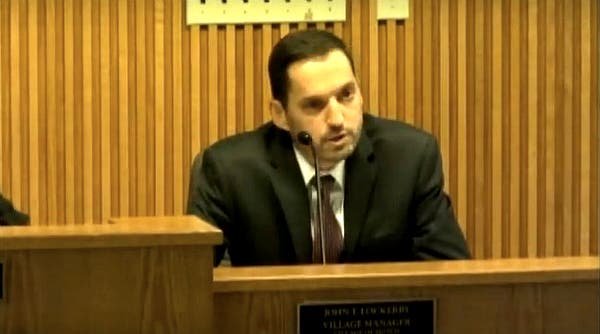
"The innovative two-year approach provides a long term, prudent financial plans to the difficult financial challenges the village is facing, largely from public safety pension liability increases and declining sales tax revenues," Village Manager John Lockerby told the board.
Lockerby said there will be 27 fewer positions in the budget for fiscal year 2020, leading to an annual savings of nearly $1.8 million. He also announced the village's unfunded liability for fire and police pensions exceeded $130 million. Skokie has increased its annual contribution by $3.5 million between 2017 and the second year of the new budget, according to its village manager.
Find out what's happening in Skokiefor free with the latest updates from Patch.
"Now at the same time, the village's largest revenue source, sales taxes, have been declining," Lockerby said.
Nearly 30 percent of all annual village revenue comes from sales and related taxes, he said. That revenue has been falling for years. It has dropped by 7.7 percent over the past three years, equating to a $2.3 million hit to the village budget, according to the village manager.
Find out what's happening in Skokiefor free with the latest updates from Patch.
"This is the Amazon effect — more and more items being purchased over the internet," Lockerby said.
Meanwhile, Skokie has kept its share of the property tax rate level since 1990. At the same time, state government has reduced the rate that it remits revenue it collects on behalf of local governments.
"There's a number of revenue sources that the state serves as the collector, and they continue to sometimes take some of our funds," Lockerby said, noting the state's increased collector's fees and cuts to local government tax redistribution.
Lockerby said without the cuts to expenses and increases in revenue, the village had been on course to confront an annual deficit of $7.8 million by 2023, as the village board was told last November.
Trustee Randall Roberts said the village was presented with the challenge of how to provide the same level of services that residents expect with declining revenues from sales tax and the state.
"How do we as a government pay for these things? So I think that we've tried to address both sides of the equation in this budget, and I'm proud of this budget," Roberts said at the June 17 village board meeting. "The landscape is changing, and we have to face with how do we pay for our government that we want for the quality of our life and for our citizens to enjoy life in Skokie and for our businesses to want to come here."
Mayor George Van Dusen said the two-year approach to the budget was a good idea. It gave the village a longer period of time to "get a handle on all these funds," he said.
"We have 650 pension funds in the state of Illinois to service our first responders. We have some legislation in to try to consolidate all 650 into one pension fund," Van Dusen said, noting that Gov. JB Pritzker had convened a task force on pension consolidation. "Hopefully we'll have some progress."
New taxes and fees approved by the Skokie Village Board as part of its budget for fiscal years 2020 and 2021:
5% Self Storage User Fee
Skokie became the sixth municipality in the area to add a tax on self-storage units, joining Countryside, Hardwood Heights, Morton Grove, North Chicago and River Grove, according to Lockerby. The village currently has seven self-storage facilities with an additional one being considered. The businesses "generate no real revenue" for the village, other than property taxes, to cover the cost of the traffic and wear and tear they bring. The fee is expected to bring in $341,250 in its first year and $455,000 in the following budget year.
3% Water Rate Increase
Skokie's water rate remains relatively low among municipalities in the area, according to the village manager's memo. But as its lawyers battle with its neighbor and water provider, Evanston, over the wholesale price it pays, the village decided unilaterally to give itself a steep discount on water prices. The resolution of the pending court case in Cook County awaits a judge's ruling on a motion to dismiss Skokie's unusual federal lawsuit claiming Evanston and its elected officials violated its civil rights when they raised the price of water.
2% Amusement Tax
The village will begin taxing tickets for live performances, movies, sports events and other entertainment events. According to Lockerby, the entertainment sector is anticipated to grow in the coming years as a result of new entertainment destinations and the push by the operator of the Old Orchard shopping center to add more "experiential opportunities." Existing amusement surcharges in the more than a dozen Chicago area municipalities that levy such a tax range from 9 percent in Chicago to just $0.25 per ticket in Northbrook. Nonprofit amusement events like school plays are exempt from the fee. It is expected to bring in just over $300,000 every year.
2% Packaged Liquor Tax
The new tax will apply to all packaged alcoholic beverages sold at any retail locations and could be collected locally, like the village's food and beverage tax, by the finance department. According to Lockerby, the rate would be the lowest among municipalities have have such a tax. Evanston has a 6 percent liquor tax, Park Ridge charges 4 percent and Oak Park 3 percent, it said. The new tax is estimated to bring in between $320,000 and $350,000 annually, the village manager reported.
New Emergency Incident Cost Recovery Fees
Existing village code only allows for fees to be charged for frequent false fire alarms and cleanup of hazardous materials, according to a memo from interim Fire Chief Jeffrey Hoeflich (former chief Jason Brandt resigned without explanation in December and village staff have declined to discuss his departure) and village Finance Director Julian Prendi.
Although such fees are uncommon in the Skokie area, the memo said, there are at least 50 fire departments in Chicagoland that have adopted the practice, including Gurnee, Naperville, Palatine, Orland Park and Waukegan.
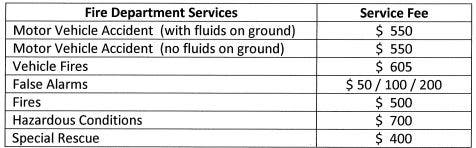
The bills would only be sent to insurance companies, according to the memo. Residents and business owners would only receive invoices for fire alarms, as they already do under the current code. The memo suggested the village will likely contract with an outside collection agency to handle billing. According to Lockerby, the incident fees are expected to bring in an extra $80,000 in the first year and $225,000 the next year of the new budget.
Get more local news delivered straight to your inbox. Sign up for free Patch newsletters and alerts.